CNC Coffee Machine Parts: Capsule Filters and Brewing Components (2026 Guide)
If you spec or buy coffee machine parts, you already know the dirty secret: the difference between a great cup and a sour, leaky one is rarely the recipe. It is the capsule filter plate, the brewing chamber, and the valve seat your supplier machined last week. A 0.05 mm burr on a perforated plate changes extraction. A rough internal surface harbors coffee oil and grows bacteria. As a buyer, you are paying for geometry you cannot see.
This 2026 guide walks through how precision CNC shops build the parts that sit inside espresso machines, capsule brewers and smart-home coffee appliances. We cover capsule filters and brewing components, the case for mirror-finished stainless steel, where brass machining wins, and how the same discipline shows up in smart home components and CNC lighting parts. By the end you should be able to read a drawing, challenge a quote, and send a supplier a checklist they cannot wave away.
Everything here is grounded in how Dongguan Licun Technology (brand LusterControl) actually runs a 60-machine stainless mirror-finishing shop in Dongguan, China — the same line that has shipped precision parts to De'Longhi, Donlim and Breville. No invented certificates, no rounded-off numbers.
Table of Contents
- 1. What Every Buyer Should Know About Coffee Machine Parts
- 2. Stainless Steel Parts for Brewing: Mirror Finish and Corrosion Resistance
- 3. Brass Machining for Coffee and Smart-Home Valves
- 4. How CNC Machining Builds Reliable Coffee Machine Parts
- 5. Smart Home Components: Where Precision Parts Hide in Your Home
- 6. CNC Lighting Parts: Heat Sinks and Reflector Housings
- 7. Custom CNC Parts: When to Move From Catalog to Drawings
- 8. Coffee Machine Parts vs Smart Home Components: A Sourcing Comparison
- 9. Stainless Steel Parts and Brass Machining: A Buyer's Checklist
Consumer Electronics&Smart Home AI part image
What Every Buyer Should Know About Coffee Machine Parts
Before you compare quotes, understand which features actually decide cup quality and food safety.
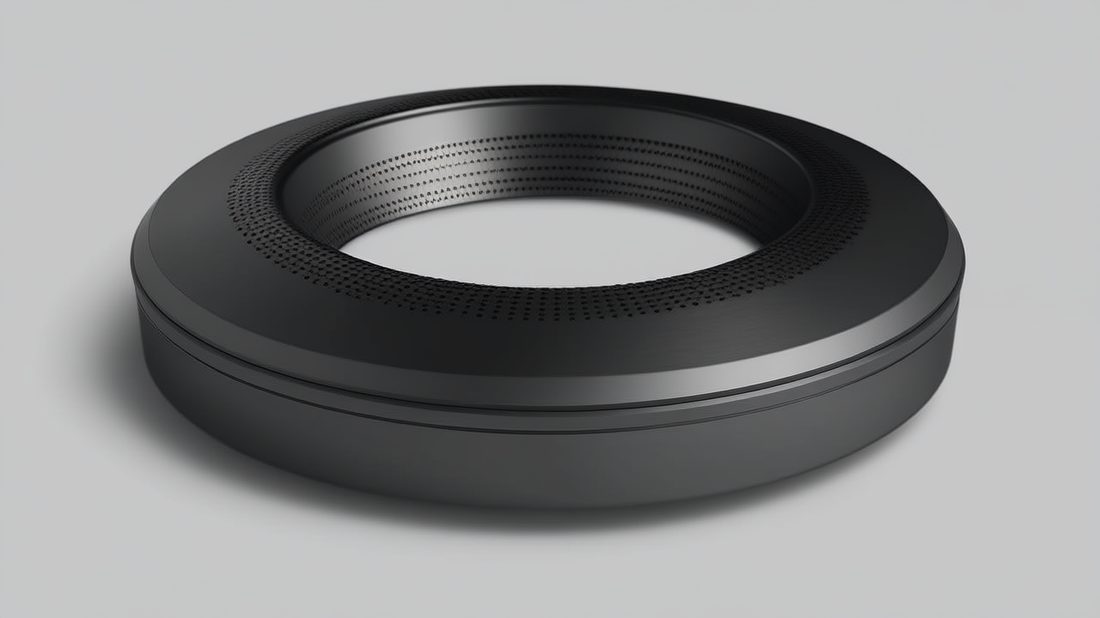
Coffee machine parts are not commodity fasteners. A capsule filter is a thin stainless disc with dozens of laser- or CNC-drilled holes; the brew chamber is a sealed cavity where pressure, temperature and food contact all meet. When you source these, three features decide whether your machine is loved or returned: hole geometry consistency, internal surface finish, and the sealing seat tolerance.
Why a 0.05 mm burr on a filter plate ruins extraction
Extraction depends on uniform water flow across every hole. If one hole is burred or oversized by 0.05 mm, flow concentrates there, the puck extracts unevenly, and you taste channeling. At LusterControl we hold perforated filter features to +/-0.005 mm and deburr every edge, because the part that looks fine under a loupe is the part that fails in a consumer's kitchen after 200 cycles.
- Capsule filter
- A perforated plate or mesh that meters water through a coffee capsule during brewing.
- Brewing chamber
- The sealed cavity where pressurized hot water contacts the coffee dose.
- Perforated plate
- A thin disc with a regular array of precision holes, usually CNC or laser drilled.
- Sealing seat
- The machined face that compresses a gasket to hold pressure without leakage.
When your volumes cross into the hundreds of thousands, the part you approve at first article is not the part you get in month six unless the shop runs real process control. If you want that discipline built in from the quote, start with a drawing review — send us your drawing for a free DFM review and we will flag the features that actually matter for your brew.
Consumer Electronics&Smart Home AI part image
Stainless Steel Parts for Brewing: Mirror Finish and Corrosion Resistance
Food contact is the one place where surface finish is not cosmetic — it is hygiene.
For any part that touches coffee, water or steam, stainless is the default. But 'stainless' is a family, and the surface finish decides whether it stays clean. A standard machined surface around Ra 0.6 µm traps microscopic coffee oil; a mirror-finished surface near Ra 0.2 µm (what we call 8K mirror) wipes clean and resists bacterial film. That is why LusterControl's standard mirror is Ra <= 0.6 µm and our top tier reaches Ra 0.2 µm.
Mirror finishing (Ra 0.2 µm / 8K) for food-contact surfaces
| Finish tier | Roughness (Ra) | Cleanability | Typical use in coffee machine parts |
|---|---|---|---|
| As-machined | Ra 0.8–1.6 µm | Traps oil, hard to sanitize | Non-contact brackets, housings |
| Standard mirror | Ra <= 0.6 µm | Good, wipes clean | Brew chambers, valve bodies |
| 8K mirror | Ra 0.2 µm | Excellent, near-zero adhesion | Capsule filters, injection needles, seals |
| Electropolished + ASTM A967 | Ra 0.2 µm + passive film | Best corrosion + cleanability | Medical-grade and high-cycle brewers |
The finish is only half the story. Stainless still needs a passive oxide layer to resist tea-staining and pitting, especially in hot, slightly acidic coffee. We passivate per ASTM A967 so the surface you approve is the surface that survives years of daily brewing.
Brass Machining for Coffee and Smart-Home Valves
Brass is not old-fashioned — for valves it is often the right material.
Where do coffee machine parts and smart home components meet? At the valve. Solenoid valves, flow regulators and pump heads all need a material that machines cleanly, seals well and resists dezincification. Brass does that, and brass machining lets us hit the same +/-0.005 mm seats we hold in stainless.
Why brass for valves and why ASTM A967 passivation still applies
Pros
- Excellent machinability — faster cycles, lower cost per part than 316 stainless
- Natural antimicrobial surface and good corrosion resistance in water
- Superior sealing against soft gaskets at the +/-0.005 mm seat
- Easy to braze or press-fit into valve assemblies
Cons
- Not for direct food-contact without plating or lining in strict markets
- Dezincification risk if the grade is wrong for hot water
- Heavier than aluminium for large housings
The honest buyer's note: brass is a valve material, not a substitute for a mirror-finished stainless brewing chamber. Use brass where it wins (valves, regulators, fittings) and stainless where food contact and cleanability rule. We machine both on the same turn-mill compound cells, so your bill of materials does not mean two suppliers.
| Property | Brass (valves, fittings) | Stainless 304/316 (brew path) |
|---|---|---|
| Machinability | High — short cycle times | Moderate — slower, more tool wear |
| Food-contact | Only lined/plated in strict markets | Direct contact, passivated per ASTM A967 |
| Seat tolerance we hold | +/-0.005 mm | +/-0.005 mm |
| Best role | Valves, regulators, fittings | Filters, chambers, needle seats |
| Corrosion in coffee | Good if grade-correct | Excellent, 8K mirror cleanable |
Consumer Electronics&Smart Home AI part image
How CNC Machining Builds Reliable Coffee Machine Parts
Three stages turn a bar of stock into a part that survives 200,000 brew cycles.
You do not get a consistent capsule filter by accident. The part is the sum of how it was roughed, finished and cleaned. Here is the flow we run for brewing components and the stainless steel parts around them.
Stage 1 — Turn-mill compound roughing
Swiss-type lathes and turn-mill compound centers rough the blank in one setup, holding the datum so every later feature references the same axis. One setup means one stack of error, not three. This is where we lock the bore, the seat and the plate thickness before any fine feature is cut.
Stage 2 — 5-axis and Swiss-type finishing
Finishing cuts the sealing seat to +/-0.005 mm and opens the filter holes. 5-axis lets us reach internal geometry without re-fixturing; Swiss-type turning keeps long, thin filter stems straight. The goal is geometric truth, not just a good average dimension.
Stage 3 — Mirror polishing and passivation
- Deburr every edge by hand and media so no hole is feathered
- Mirror-finish food-contact surfaces toward Ra 0.2 µm (8K) where specified
- Passivate per ASTM A967 to rebuild the corrosion-resistant oxide layer
- Laser-inspect the hole array and seat, then tag the lot for traceability
LusterControl has done this since 2015 — 15 years of stainless mirror finishing out of Dongguan. The same line that builds precision parts for De'Longhi, Donlim and Breville is the line your drawing goes onto, whether it is one prototype or 500,000 a month.
Smart Home Components: Where Precision Parts Hide in Your Home
The coffee maker is just the visible tip of a precision-parts home.
Step back and the whole smart home is full of small, precise metal parts: the valve in your espresso machine, the heat sink behind your LED downlight, the actuator in your thermostat, the sensor housing in your air quality monitor. They share one requirement — they must run silently and forever with no service call. That is the discipline behind smart home components.
From coffee makers to lighting and actuators
| Smart-home part | Material we run | Finish / tolerance | Why precision matters |
|---|---|---|---|
| Capsule filter / brew chamber | 304/316 stainless | 8K mirror Ra 0.2 µm, +/-0.005 mm | Extraction uniformity, hygiene |
| Valve body / regulator | Brass, passivated | +/-0.005 mm seat | Leak-free flow control |
| LED heat sink / reflector | Aluminium 6061 | Anodized, flat-to-spec | Thermal path, beam control |
| Sensor / actuator housing | Stainless or aluminium | Tight bore, clean deburr | Fit, EMI seal, no rattle |
Because these parts live in the same appliance families, sourcing them from one CNC shop keeps your tolerances, your finishes and your lot records consistent. Browse more examples across industries in our technical blog on smart home components and precision parts.
Consumer Electronics&Smart Home AI part image
CNC Lighting Parts: Heat Sinks and Reflector Housings
Lighting is a thermal problem wearing a pretty face.
CNC lighting parts are a sibling of coffee machine parts: small, high-volume, and unforgiving about flatness. An LED heat sink that is 0.02 mm out of flat loses contact with the board, runs hot, and dims early. A reflector housing that is not round throws a wobbly beam. We machine these from aluminium 6061 with the same turn-mill cells and the same datum discipline.
Thermal paths in LED lighting
The flat mating face is the whole game. We hold it flat and burr-free so thermal interface material does its job, and we keep fin geometry consistent so every unit sheds heat the same way. The same mirror-finishing know-how that gives you Ra 0.2 µm on a brew chamber gives you a clean, reflective surface on a lighting part without extra process steps.
Custom CNC Parts: When to Move From Catalog to Drawings
A catalog part is fine until it is not. Here is the handoff that saves you.
Off-the-shelf fittings are cheap and fast — until your chamber geometry, your seat angle or your hole pattern is unique. That is the moment custom CNC parts stop being 'expensive' and start being 'the only way it works.' The trick is handing the shop a drawing that removes guesswork.
The drawing handoff checklist
- Material grade and any plating/passivation requirement (e.g. 316L, ASTM A967)
- Critical features called out with tolerance — not just a blanket +/-0.1 mm
- Surface finish spec on contact faces (Ra target, mirror or electropolish)
- Sealing seat geometry and the gasket it must compress
- Intended volume and target piece price so the process is chosen correctly
- Food-contact or potable-water declaration if the part wets the brew
Give us those six items and a free DFM review pays for itself: we will tell you which tolerances are bought with cycle time and which actually change the cup. For unique brew paths and valve stacks, send your drawing for a custom CNC parts quote.
Consumer Electronics&Smart Home AI part image
Coffee Machine Parts vs Smart Home Components: A Sourcing Comparison
Same shop, two mindsets — know which one your program needs.
Buyers often treat 'small metal parts' as one category. They are not. Coffee machine parts lean hard on food-contact finish and flow geometry; broader smart home components spread across valves, thermal and housings where volume and fit dominate. Here is how to decide.
| Factor | Coffee machine parts | Smart home components |
|---|---|---|
| Dominant spec | Mirror finish + flow geometry | Fit, flatness, volume cost |
| Key finish | Ra 0.2 µm 8K, ASTM A967 | Anodize / clean deburr per part |
| Tolerance focus | Hole array + sealing seat +/-0.005 mm | Bore, flat, overall fit |
| Material mix | 304/316 stainless + brass valves | Aluminium + stainless + brass |
| Buyer's top risk | Channeling, hygiene, leakage | Rattle, thermal, fit returns |
| LusterControl capacity | 60 CNC, 500k/mo, Dongguan | Same line, same traceability |
Choose coffee machine parts focus if your program lives or dies on cup consistency and food safety — finish and seat are non-negotiable. Choose the broader smart home components approach if you are bundling valves, lighting and housings and need one supplier for volume and fit across the appliance.
Stainless Steel Parts and Brass Machining: A Buyer's Checklist
The five things you must demand before you release a purchase order.
- Material certificate (mill cert) for every lot — 304/316 or the brass grade named
- First-article inspection report with the seat and hole-array measured, not just OD
- Surface finish evidence (Ra reading) on the contact faces you care about
- Passivation record per ASTM A967 for any stainless in the brew path
- Lot traceability so a field failure can be traced to stock and process
Common mistakes buyers make
- Specifying a blanket +/-0.1 mm and hoping the seat 'comes out fine' — it won't, consistently
- Asking for 'mirror finish' with no Ra number, so every shop quotes a different surface
- Forgetting passivation, then wondering why stainless tea-stains in hot coffee
- Splitting brass valves and stainless chambers across two shops and losing datum control
- Approving a first article by eye instead of by measured seat and hole array
Consumer Electronics&Smart Home AI part image
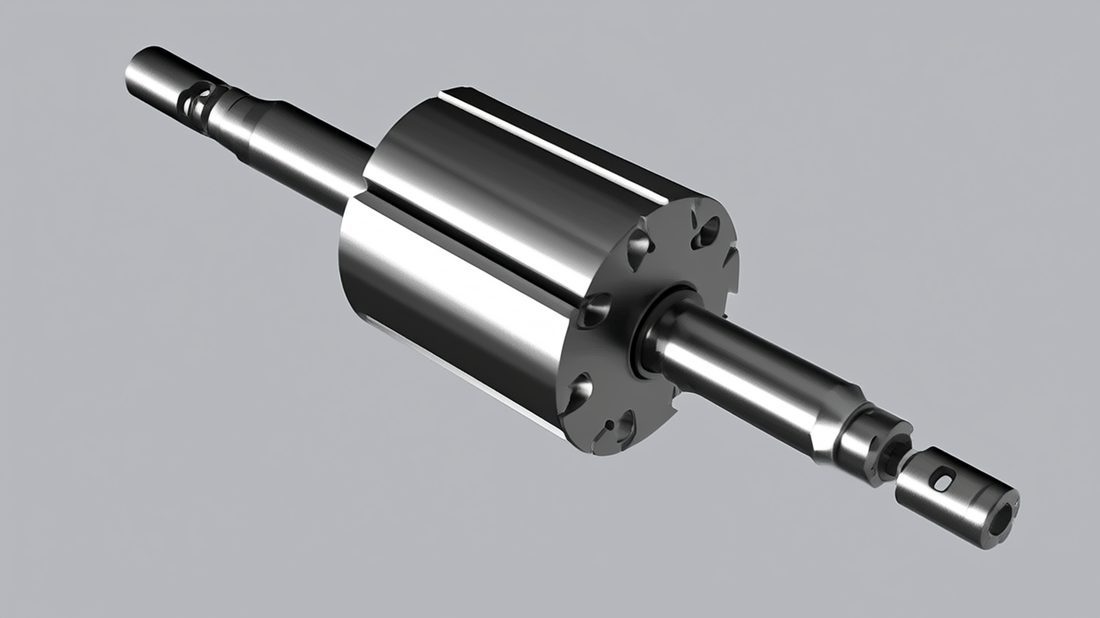
Consumer Electronics&Smart Home AI part image
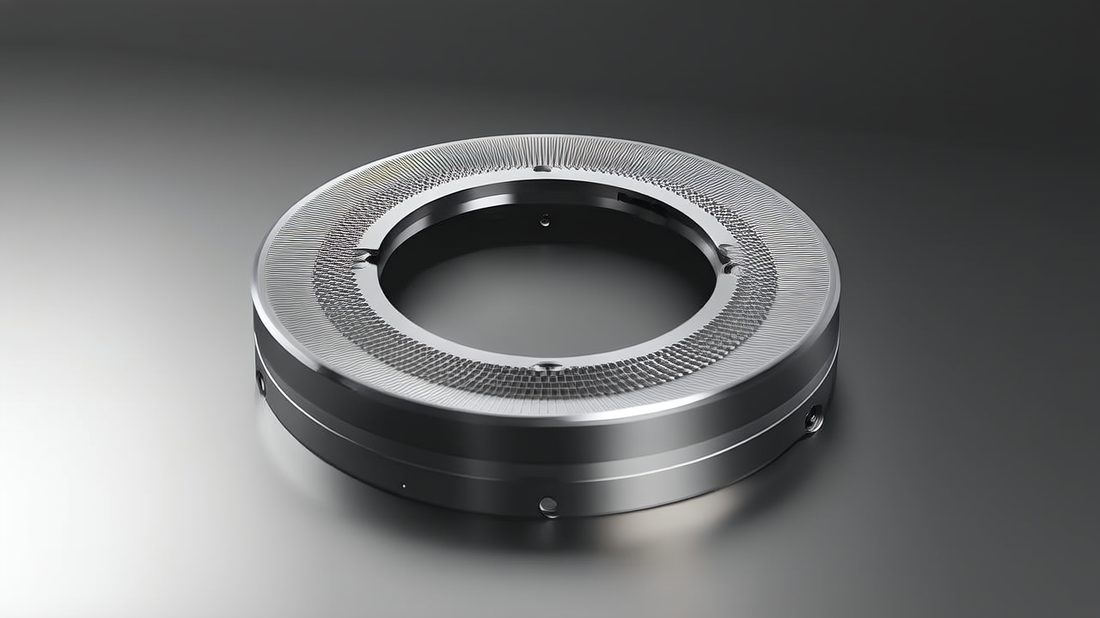
Consumer Electronics&Smart Home AI part image
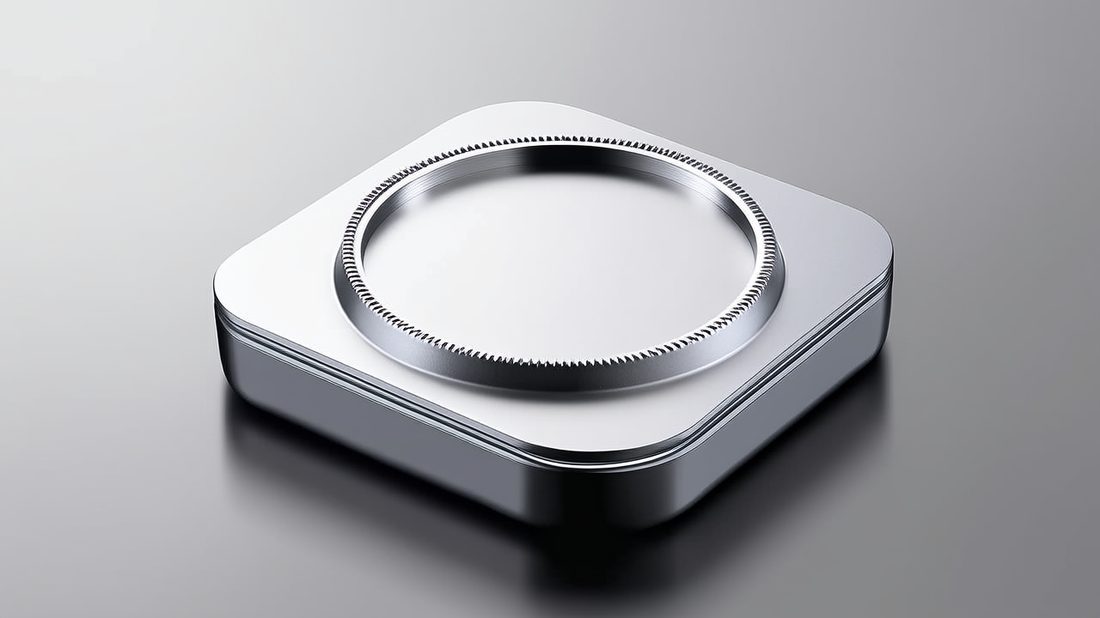
Consumer Electronics&Smart Home AI part image
FAQ: coffee machine parts & Consumer Electronics&Smart Home Buyer Questions
A: On brewing components we hold the sealing seat and perforated filter features to +/-0.005 mm. Hole-array consistency matters more than the headline tolerance, so we laser-inspect the array and tag each lot for traceability rather than trusting an average dimension.
A: Use mirror-finished, ASTM A967-passivated stainless (304/316) for any food- or water-contact brew path — filters, chambers, needle seats. Use brass machining for valves, regulators and fittings where machinability and sealing win. Both can run on the same turn-mill cells, so you do not need two suppliers.
A: A standard machined surface around Ra 0.8–1.6 µm traps coffee oil and bacteria; an 8K mirror near Ra 0.2 µm wipes clean and resists film. For parts that touch coffee or steam, finish is a hygiene and taste issue, not cosmetics — which is why we passivate per ASTM A967 after finishing.
A: Yes. The same discipline — turn-mill compound cells, 5-axis and Swiss-type finishing, lot-level traceability — covers capsule filters, valve bodies, LED heat sinks and sensor housings. Sourcing them together keeps tolerances, finishes and QC records consistent across your appliance.
A: Send the material grade and any passivation/plating need, the critical features with real tolerances (not a blanket +/-0.1 mm), the Ra target on contact faces, the sealing seat geometry, your volume and target price, and a food-contact declaration if the part wets the brew. That is enough for a useful free DFM review.
A: Ask for ISO 9001 and, for medical-adjacent lines, ISO 13485; LusterControl holds both with IATF 16949 in application. Then require a mill cert, a measured first-article report, Ra evidence on contact faces, an ASTM A967 passivation record, and lot traceability before you release volume.
Send us your drawing for a free DFM review — we will flag the filter holes, seats and finishes that actually decide your cup, and quote coffee machine parts, brass valves and mirror-finished stainless from one Dongguan line.
Request a Free CNC Quote