CNC Knob Shafts: Machining & Tolerances for Robotics (2026 Guide)
If you design or integrate a robot joint, an end-effector, or a vision gimbal, you have almost certainly specified a shaft that has to do two jobs at once: turn or locate precisely, and still give an operator or a calibration routine a positive grip to turn by hand. That part is the knob shaft - a turned component that pairs a precise journal or shaft section with a profiled grip - and in robotics it is quietly doing unforgiving work. A knob shaft that is not concentric throws runout into the bearing, a grip that is too rough tears a glove, and a surface that is not passive corrodes in a lab environment. The part is a few millimeters of metal and a stack of tolerances, and it decides whether your adjustment stays repeatable for the life of the cell.
This guide is written for the engineers and procurement leads who specify and buy these shafts, not for a catalog. We walk through what a CNC knob shaft actually does inside a robot, how CNC precision machining holds its concentricity and runout within +/- 0.005 mm, why material and finish decide both grip and service life, and the mistakes we see buyers make most often. The numbers are the ones we argue about with customers before the first blank is cut.
By the end you will have a checklist you can send to any machine shop - including our own - and a clear sense of what a good answer sounds like, whether you are sourcing a handful of calibration shafts for a prototype dexterous hand or qualifying a high-volume run for a gripper platform. A knob shaft only earns its place if its geometry is honest; the rest is detail.
Table of Contents
- 1. What Are CNC Knob Shafts and Why They Matter in Robotics
- 2. How CNC Precision Machining Shapes Robot Knob Shafts
- 3. Tight Tolerance CNC: Concentricity and Runout on Knob Shafts
- 4. Robotics CNC Parts: Knob Shafts vs Solid Pins and Studs
- 5. Stainless Steel Mirror Finishing for Robot Knob Shafts
- 6. Custom CNC Parts: Designing Knob Shafts for Your Robot Joint
- 7. Materials for Knob Shafts: Stainless, Brass, and Aluminum Choices
- 8. Common Mistakes Buyers Make When Specifying Tight Tolerance CNC Knob Shafts
- 9. A Buyer's Checklist for Sourcing Robotics CNC Parts Like Knob Shafts
Robotics AI part image
What Are CNC Knob Shafts and Why They Matter in Robotics
The knob shaft does two jobs at once - turn precisely and grip positively.
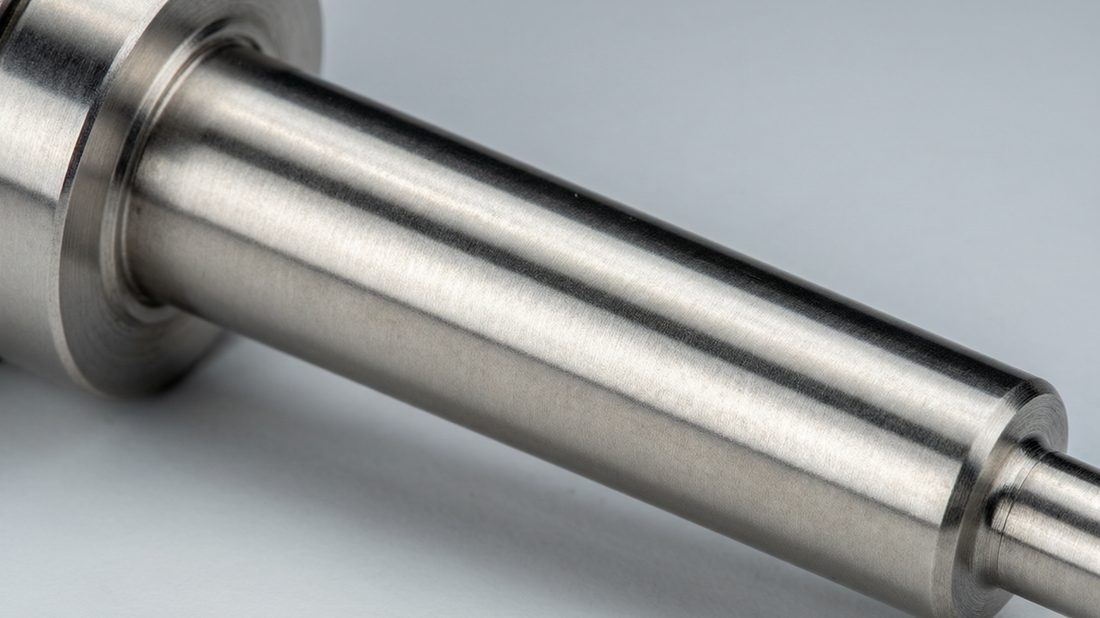
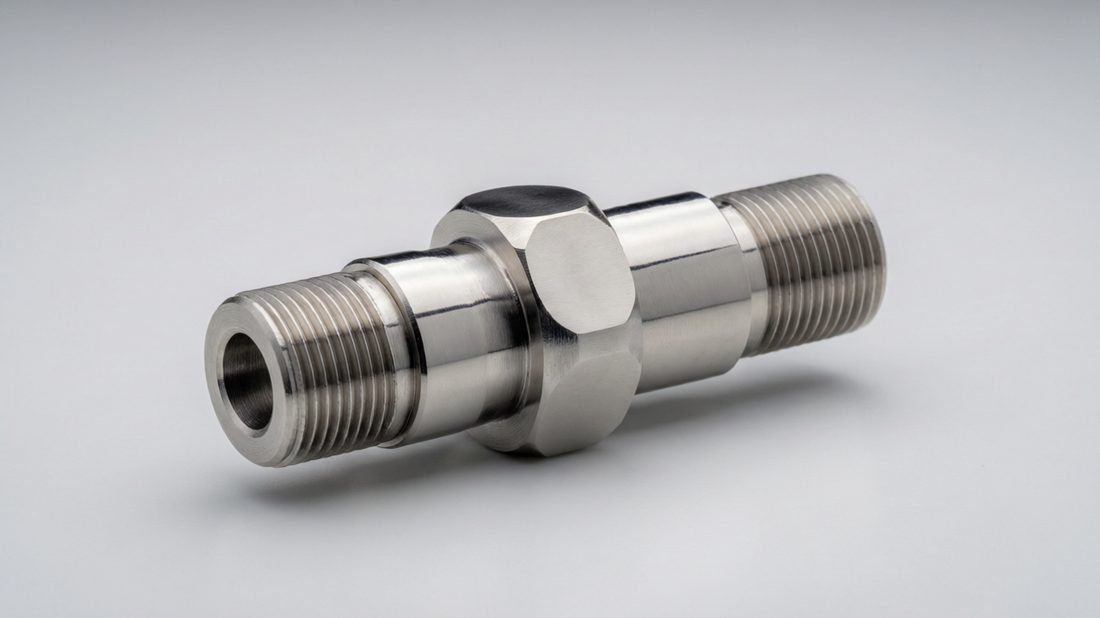
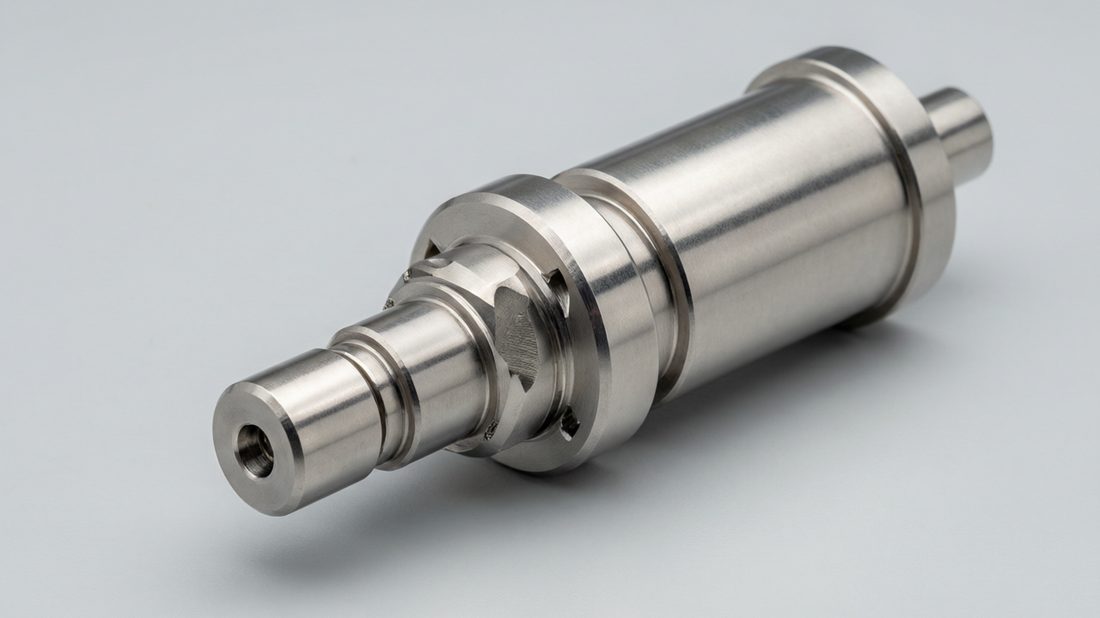
A CNC knob shaft is a turned component that combines a precise journal or shaft section - the part that rides in a bearing, couples to a motor, or indexes into a housing - with a profiled grip section, the knob, that an operator or a tool turns by hand. In a robot the knob shaft is rarely the headline part, but it is the one that makes an adjustment repeatable: focus a vision lens, set a gripper opening, index a calibration jig, or give a servo a manual override. When it is right, nobody thinks about it; when runout or a poor grip creeps in, the whole adjustment drifts.
Where you actually find them on a robot
- Joint calibration and teaching shafts, where a manual turn sets a zero before the servo takes over.
- End-effector and gripper adjustment shafts that set jaw opening or finger preload by hand.
- Vision and lens barrels, where a knob shaft focuses or rotates a camera on a gimbal.
- Servo and actuator manual overrides, giving a safe hand-turn when power is down.
- Dexterous-hand finger tuning shafts, where small, repeatable rotation sets tendon tension.
- Fixture and tooling index shafts on the cell, where a positive grip prevents slip during setup.
Every one of those is a concentricity problem and a grip problem at once. A shaft that is off-center by a few tens of microns throws the bearing into runout; a knob whose profile is poorly cut slips in the hand or, worse, shifts under load and loses the setting you just made. The knob shaft is the quiet member of the kinematic chain; when it is honest, the adjustment stays put.
- Knob shaft
- A turned part pairing a precise journal with a profiled grip for hand adjustment.
- Journal
- The bearing or locating diameter of the shaft; its roundness drives runout.
- Runout
- How far a feature deviates from true rotation; it is what a wobble becomes in numbers.
- Concentricity
- How well two diameters share one axis; poor concentricity means runout.
- Knurl / grip profile
- The cut pattern on the knob that gives the hand positive purchase.
Our broader work on robot joint parts and dexterous-hand components covers housings, harmonic-drive cups, and finger links where the same concentricity and traceability discipline applies. The knob shaft is simply the one where grip and rotation meet.
Robotics AI part image
How CNC Precision Machining Shapes Robot Knob Shafts
Precision is manufactured into the process chain, not added at inspection.
A knob shaft looks like a simple turned part until you cut the journal, form the knob, and then it has to stay concentric and grip-positive after hardening, plating, or passivation. CNC precision machining of a shaft that holds its form is a controlled chain, not a quick cut. Here is how we run a knob-shaft program so it meets spec after it leaves the building.
Stage 1 - Material and roughing
- Certify the incoming bar stock with a mill certificate confirming the alloy (303/304 stainless, brass, 6061 aluminum, or 17-4 PH as the design dictates).
- Rough with moderate feeds, leaving even stock so the part does not build residual stress that later relaxes and bows the shaft.
- For long bar work, plan a stress-relief or natural-aging step before the finish pass so the shaft does not twist after plating.
- Hold the part on a true center or collet so every later operation references the same axis.
Stage 2 - Turning the journal and knob profile
- Turn the journal diameters first with sharp tooling and fine, consistent passes to protect roundness.
- Form the knob profile - knurl, diamond, or scalloped - with a dedicated form tool so the grip is uniform around the circumference.
- Semi-finish the critical diameters, leaving a thin, even allowance for the final pass.
- Verify journal roundness and knob symmetry on a touch-probe or CMM before the finish cut.
Stage 3 - Finish, treat, inspect, and document
- Finish the journal to the target Ra, measured with a profilometer rather than judged by eye.
- Apply the surface treatment the design calls for (passivation to ASTM A967, anodize, or plating) without disturbing geometry.
- Deburr the knob roots so no burr becomes a glove-tear or a particle later.
- Inspect critical diameters on a CMM and tie the lot to its material cert, machine log, and Certificate of Conformance.
The point is simple: a knob shaft only stays concentric and grip-positive if the process respected the material and the axis at every stage. A shop that skips stress relief or final verification is handing you a shaft that will twist or wander after it ships. Ask to see the process, not just the price.
Tight Tolerance CNC: Concentricity and Runout on Knob Shafts
Spend the tight tolerance where rotation and grip depend on it - nowhere else.
Tight tolerance CNC on a knob shaft is about priorities, not a single magic number. The journal roundness, the grip-to-journal concentricity, and the knob symmetry are the features that earn a tight callout. The overall length and the cosmetic ends do not. Specifying everything tight is the fastest way to inflate cost with zero benefit to the adjustment.
Typical tolerances we hold by feature
| Feature | Typical tolerance | Why it matters on a knob shaft |
|---|---|---|
| Journal diameter | +/- 0.005 mm | Bearing fit; sloppy here means play in the rotation. |
| Grip-to-journal concentricity | 0.01-0.02 mm TIR | Runout at the knob throws off the whole adjustment. |
| Knob profile symmetry | +/- 0.03 mm | Uniform grip; uneven knurl slips or bites. |
| Shoulder face squareness | 0.02 mm | The shaft seats flat against its mating face. |
| Overall length | +/- 0.1 mm | Envelope control; rarely functionally critical. |
| End chamfer / burr | Visual + feel | A sharp root tears a glove on every turn. |
We routinely hold +/- 0.005 mm on the critical journal and locating features of precision knob shafts where the application demands it, and we measure rather than trust. The number only means something because it is measured, recorded, and tied to the lot.
Pros
- Repeatable adjustment every time you turn it
- Lower runout at the bearing
- Easier, faster qualification
- Fewer escapes in the cell
Cons
- Tight features cost more to hold
- CMM and roundness time grows with the callouts
- Not every feature needs them - only the ones that touch rotation
The right answer from a vendor is specificity: which features are tight, why, and how each is checked. That honesty is a stronger qualification signal than any brochure claim about precision.
Robotics AI part image
Robotics CNC Parts: Knob Shafts vs Solid Pins and Studs
The choice is rarely about which is 'better' - it is about what the part's first job is.
The most common fork buyers face is whether the part in hand is a knob shaft - a functional grip-and-rotate member - or a solid pin or stud that merely locates or fastens. Neither is 'better' in the abstract; the right call depends on whether the part's first job is letting a human adjust it or just holding something in place.
| Factor | Knob shaft | Solid pin / stud |
|---|---|---|
| Primary job | Grip-and-rotate for adjustment | Locate, pin, or fasten |
| Critical features | Journal roundness, concentricity, grip | Diameter, length, head or thread |
| Manual interface | Yes - positive grip needed | No - set by tool, not hand |
| Concentricity driver | Adjustment repeatability | Fit and shear strength |
| Typical material | 303 SS, brass, 6061, 17-4 PH | Hardened steel, SS, alloy |
| Best use | Joints, grippers, vision, overrides | Hinges, locators, structural pins |
Choose knob shafts if
- The part needs a positive, repeatable hand adjustment.
- Runout at the grip would throw off a bearing or an optical axis.
- You want a manual override that stays put after you set it.
- The adjustment is on the critical path for calibration or focus.
Choose solid pins or studs if
- The part mainly locates or fastens with no hand input.
- Shear strength or a press fit is the design driver.
- There is no grip requirement and cost dominates.
- The joint is non-critical and never adjusted in service.
Stainless Steel Mirror Finishing for Robot Knob Shafts
The finish is a function on a shaft, not a beauty pass.
On a knob shaft, surface finish pulls in two directions at once. The journal often wants to be smooth so it seats and wets without galling; the knob wants enough texture to grip the hand without biting; and in a lab or cleanroom the whole shaft may need to be passive and easy to wipe. Stainless steel mirror finishing enters the story when the shaft sees a corrosive environment, a cleanliness-critical loop, or a sealing face and needs to be both smooth and passive.
Finish grades and where they belong on a shaft
| Finish grade | Typical Ra | Where it is used on a knob shaft |
|---|---|---|
| Standard machined | 0.8 um | Knob roots and non-contact faces |
| Fine turned | 0.4 um | Light-reference and secondary diameters |
| Mirror (8K) | 0.2 um | The journal or sealing face that must not gall |
| Bead-blasted | 1.6-3.2 um | Non-critical faces prepared for bonding or coating |
- Ra
- Arithmetic average roughness; lower means smoother. Ra 0.2 um is our 8K mirror target.
- 8K finish
- A mirror-grade surface we reach at Ra 0.2 um, smooth enough to read as a near-perfect reflection.
- Passivation (ASTM A967)
- A chemical treatment that restores stainless chromium-oxide so it resists corrosion.
- Gall
- Two metal surfaces seizing under load; a smooth, passive face avoids it on assembly.
Reaching a true mirror on stainless means controlled machining followed by careful leveling and verification with a profilometer. Pairing that with passivation to ASTM A967 gives you both the smooth, hard journal and the corrosion resistance a shaft sees against coolants, humidity, or a cleanroom wipe-down.
Robotics AI part image
Custom CNC Parts: Designing Knob Shafts for Your Robot Joint
Good shafts are designed for the assembly, not ported from a drawer.
Because a knob shaft lives at the interface of a bearing, a grip, and a mating face, treating it as a true custom CNC parts problem - geometry, material, and tolerances chosen for your joint - is what makes it hold up. A shaft copied from a catalog will be the wrong length, the wrong grip, or the wrong material for your assembly.
Design rules that keep a shaft reliable
- Generous radii at the shoulder so the shaft does not notch and crack under load.
- A knurl or grip profile chosen against glove type - coarse for bare hand, fine for tool.
- Datum faces called out explicitly, with the journal referenced to a single true axis.
- A planned shoulder location, not a hope that the mating face will find the seat.
- Material chosen against corrosion, strength, and weight - not just what is on the shelf.
- A defined end treatment: chamfer, burr-free root, or sealed tip for the environment.
A short design-to-order flow
- Send the drawing, the load, the environment, and how often the shaft is hand-adjusted.
- We return a DFM note: which features need tight callouts and which are waste.
- Agree the material against your strength, corrosion, and weight budget.
- Prototype first, measure concentricity and grip, then lock the production process.
Materials for Knob Shafts: Stainless, Brass, and Aluminum Choices
Material is the first lever on strength, corrosion, and feel.
Material is the first thing that decides strength, corrosion behavior, and how the knob feels in the hand. Robotics shafts usually balance three or four candidates, and the 'best' one is the one that meets your load, environment, and feel budget at the same time - not the one with the highest number on a data sheet.
Material decision for knob-shaft bodies
| Material | Behavior | Best use on a robot knob shaft |
|---|---|---|
| Stainless 303/304 | Easy to machine, corrosion resistant, good feel | General joints, grippers, lab environments |
| Brass (C360) | Excellent machinability, warm grip, low friction | Fine-adjustment knobs, low-load indicators |
| Aluminum 6061 | Light, good strength, easy to anodize | Weight-sensitive arms, vision gimbals |
| 17-4 PH stainless | High strength, hardenable, still corrosion resistant | High-load joints, servo overrides |
We machine all four and will tell you when 17-4 PH's strength is worth its cost and when 303's machinability and corrosion resistance are enough. The honest answer is a strength-and-environment trade, not a default - and it is the kind of call that should be made against your actual assembly, not a catalog rule.
For the material and finish trade-offs across the parts we make, our robotics components machining guides go deeper on stainless, brass, aluminum, and titanium choices for robot hardware.
Robotics AI part image
Common Mistakes Buyers Make When Specifying Tight Tolerance CNC Knob Shafts
Most shaft failures are decided at the drawing stage, not on the shop floor.
- Calling out 'smooth' instead of a real Ra target, then arguing about it after shipment.
- Forgetting concentricity and only tolerancing the journal diameter, so runout slips through.
- Skipping stress relief, so the shaft twists a few microns after plating or hardening.
- Tightening every dimension to save worry, inflating cost and lead time with no benefit to grip.
- Ignoring knob symmetry, so the grip slips on one side and bites on the other.
- Forgetting to ask how concentricity will be proven - a number with no CMM map is a wish.
- Specifying 17-4 PH when 303 stainless meets the budget, paying strength you never use.
- Neglecting a burr-free knob root so a pristine shaft tears a glove on the first turn.
None of these are subtle, and all of them are avoidable at the sourcing stage. The disciplined supplier makes the right habit the easy default: ask for the environment, prove the concentricity, passivate the stainless, and tell you honestly when mirror finishing is overkill.
A Buyer's Checklist for Sourcing Robotics CNC Parts Like Knob Shafts
Copy this and send it to every shop on your shortlist. The answers sort them fast.
- Can they show a mill certificate confirming the alloy (303 / 304 / brass / 6061 / 17-4 PH) and grade?
- Do they stress-relieve or age shafts, or just cut them and hope they stay straight?
- Can they state a concentricity target and verify it with a CMM runout map, not by eye?
- Will they hold and prove +/- 0.005 mm critical journal features with inspection records tied to the lot?
- Do they form a uniform knob profile and deburr the root so it grips without tearing a glove?
- Do they finish the journal to a measured Ra and passivate stainless to ASTM A967?
- Can they clean and package the shaft to your cleanliness and contamination spec?
- Do they provide first-article inspection, batch traceability, and a Certificate of Conformance on every lot?
- Are tolerances quoted against your drawing, with a DFM opinion on which ones actually matter?
A supplier that clears all nine is rare and worth keeping. One that stumbles on material certification, stress relief, concentricity verification, or passivation should not be on a knob-shaft program - those are exactly the controls that keep a shaft turning true after it ships.
Robotics AI part image
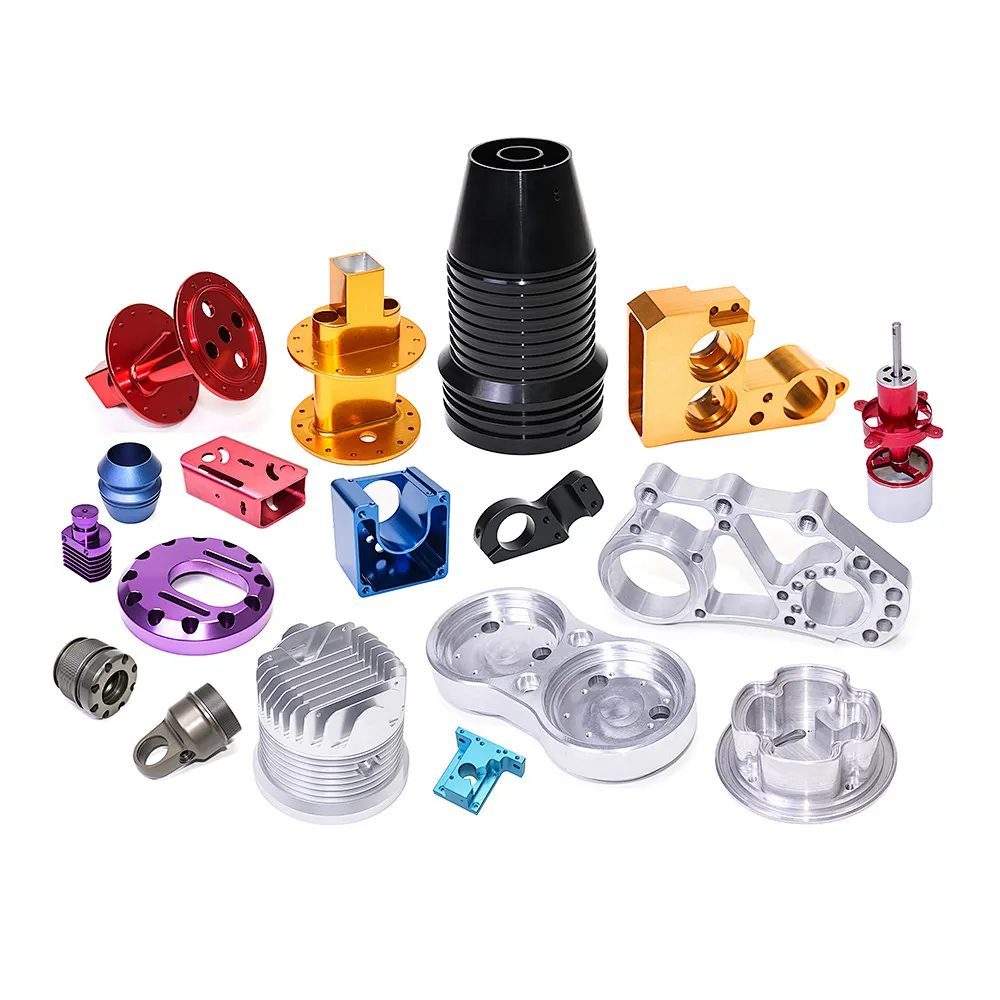
Robotics CNC precision component
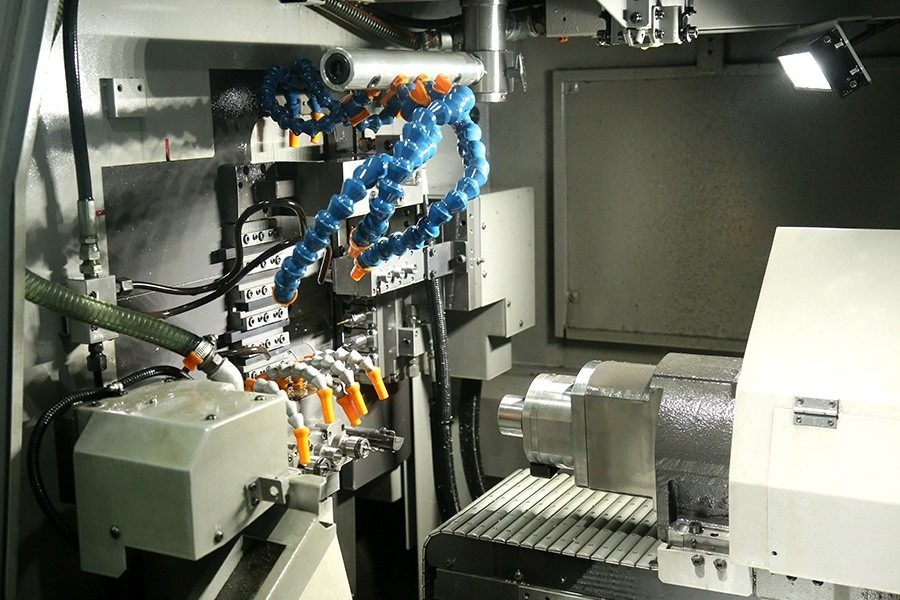
Robotics CNC precision component
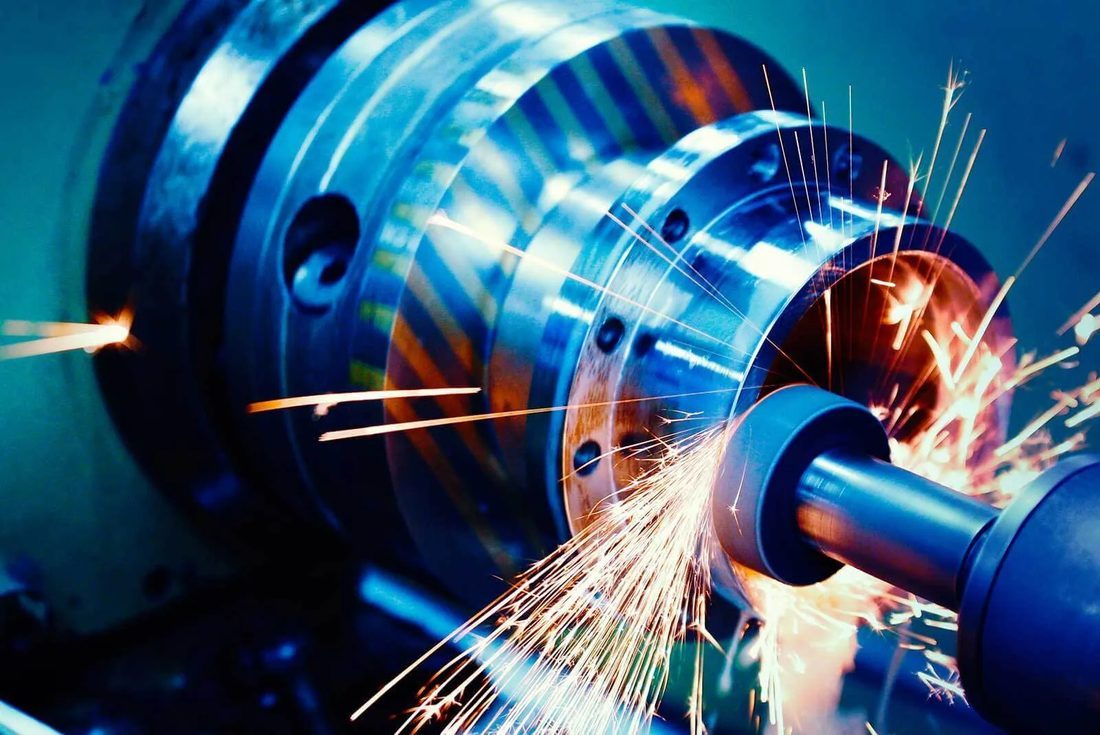
Robotics CNC precision component
FAQ: knob shafts & Robotics Buyer Questions
A: It is a turned component that pairs a precise journal with a profiled grip, letting an operator or a calibration routine turn it by hand. In robotics it serves joint calibration, end-effector and gripper adjustment, vision focus, servo overrides, and dexterous-hand finger tuning. For robotics CNC parts like these, the shaft only works if its geometry stays concentric for the life of the cell.
A: We routinely hold journal diameters to +/- 0.005 mm, grip-to-journal concentricity to 0.01-0.02 mm TIR, and knob profile symmetry to +/- 0.03 mm, all verified by CMM or roundness trace with records tied to the lot. The measured number is what your calibration accepts, not the drawing promise.
A: A mirror (8K) finish at Ra 0.2 um on the journal improves seating and reduces galling, and paired with passivation to ASTM A967 it resists corrosion from coolants, humidity, or a cleanroom wipe-down. We leave the knob with a tactile grip; the finish is a function, not a beauty pass.
A: Stainless 303/304 is the corrosion-resistant, good-feel default for most joints and grippers; brass buys excellent machinability and a warm grip for fine adjustment; aluminum 6061 wins where weight matters on an arm or gimbal; 17-4 PH adds strength for high-load servo overrides. The right call is a strength-and-environment trade against your assembly, not a default.
A: We hold ISO 9001 and have completed ISO 13485, and IATF 16949 is currently in application rather than certified - we are transparent about that. We are not AS9100 certified; we apply the documented traceability, first-article inspection, and SPC discipline of our ISO 9001 / ISO 13485 / IATF 16949 (in application) system, which maps to the expectations robotics buyers ask about.
A: Yes. We run first-article inspection on new designs, support low-volume custom runs, and scale to monthly volume (500,000+ parts across the plant) while keeping the same documented process and batch traceability. A knob-shaft program can grow from first prototype to a qualified platform without re-qualifying the source.
Designing a knob shaft that has to stay concentric, grip-positive, and corrosion-resistant on a robot? Send us your drawing and we will return a free DFM review with material, tolerance, finish, and passivation recommendations - an honest engineering answer, whether 303, brass, 6061, or 17-4 PH is right for your assembly.
Request a Free CNC Quote