CNC Needle Valve Bodies: Seat Finishing for Leak-Free Flow
If you are buying valve bodies for Fluid Control&Valve applications, the part that looks fine on a drawing can still fail in the field — at the worst moment. specifying valve bodies that must hold tight tolerances and survive real operating loads is exactly where most sourcing mistakes happen, and where a disciplined supplier earns its fee.
At LusterControl we have spent 15 years machining stainless and alloy precision parts on 60 CNC machines across a 4,000 m² plant. This guide walks through what a Fluid Control&Valve buyer should actually check before releasing a PO — written the way an engineer talks to another engineer, with numbers you can verify.
Table of Contents
- 1. Why Valve Bodies Matter for Fluid Control&Valve Buyers
- 2. How Seal Surface Finishing Is Machined at LusterControl
- 3. Tolerances and Inspection on Manifold Blocks
- 4. Material and Surface Finish for Stainless Steel Mirror Finishing
- 5. Comparing Suppliers for Pump Parts
- 6. Buyer's Checklist for Cnc Fluid Parts
- 7. Cost and Lead Time for Valve Bodies
- 8. Quality Process Framework Behind Seal Surface Finishing
- 9. A Real Manifold Blocks Program We Shipped
- 10. More Stainless Steel Mirror Finishing Reading for Fluid Control&Valve Buyers
Fluid Control&Valve CNC precision component
Why Valve Bodies Matter for Fluid Control&Valve Buyers
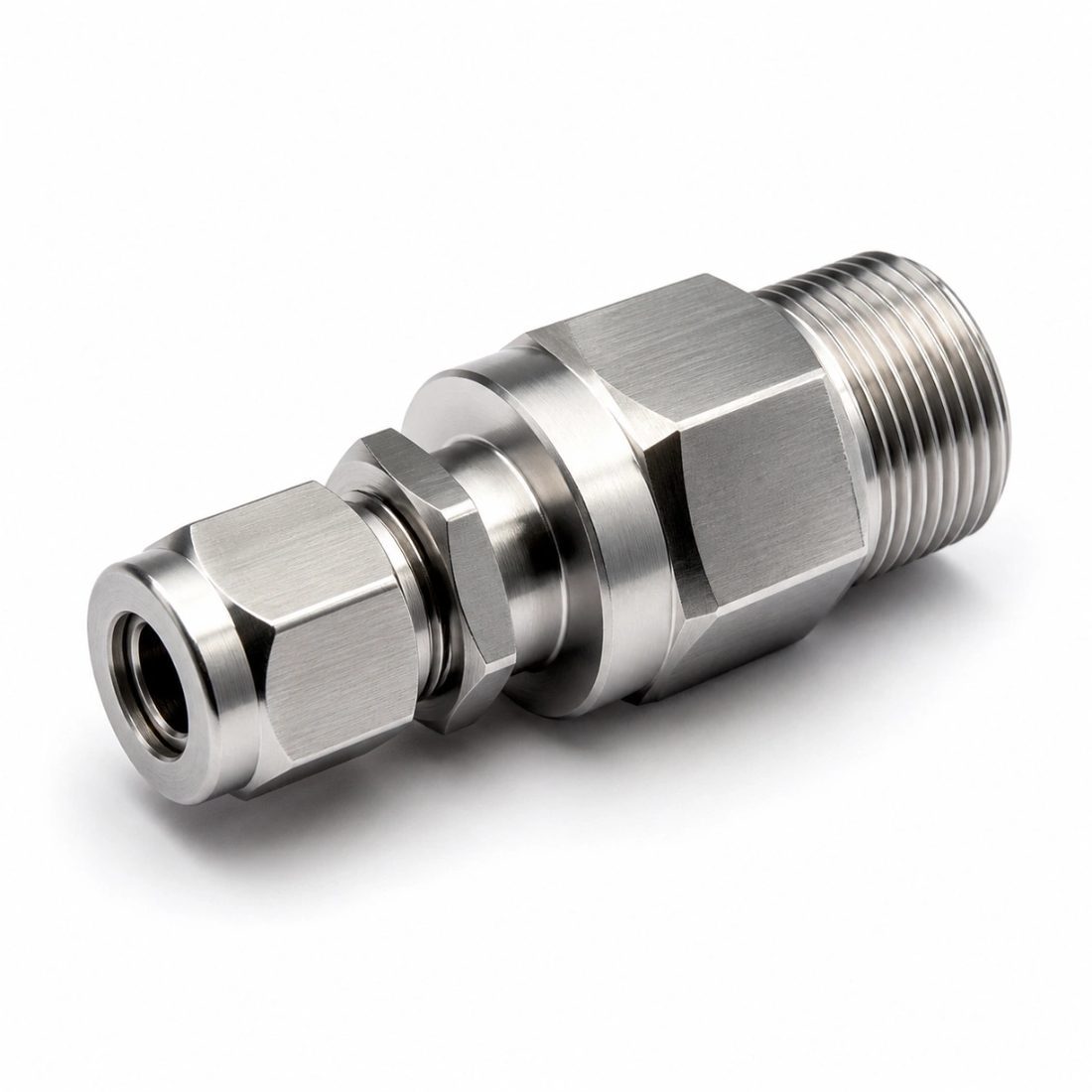
A needle valves is rarely the hero of your assembly, but it is usually the part that determines whether the whole product passes qualification. For Fluid Control&Valve programs, valve bodies sit at the intersection of fit, function and cost.
The buyer's real risk
Miss the tolerance and you get scrap, rework loops and a delayed launch. Pick the wrong process and you pay for capability you do not need — or worse, you under-buy and the part cannot hold up. That is why Valve Bodies deserve a second look before PO.
Fluid Control&Valve CNC precision component
How Seal Surface Finishing Is Machined at LusterControl
Most valve bodies are produced on a combination of turning and milling. LusterControl runs 60 CNC machines covering turn-mill composite, 5-axis, mirror/electropolishing, Swiss-type turning, lot traceability — so a part that needs multi-side features is done in fewer setups, which means less stack-up error.
Choosing the right process
- 3-axis milling for simple profiles — cheapest, fast.
- Turn-mill composite for round parts with milled features — one chucking, better concentricity.
- 5-axis when you need deep cavities or tight angular features without re-fixturing.
- Swiss-type turning for long, slender, high-volume shafts where runout matters.
Tolerances and Inspection on Manifold Blocks
LusterControl holds ±0.005 mm on stainless mirror-finished parts. But a number on a drawing means nothing without proof, so every high-precision item ships with CMM first-article data and ISO 9001 certified, ISO 13485 completed, IATF 16949 applying controls behind it.
| What you should request | Why it matters |
|---|---|
| First-article CMM report | Measured data, not a promise — your baseline for incoming inspection. |
| Lot traceability | Every batch ties back to material and machine for field failures. |
| 100% final inspection plan | Incoming, in-process and final checks before shipment. |
| Material cert (MTR) | Confirms the alloy is what the print calls for. |
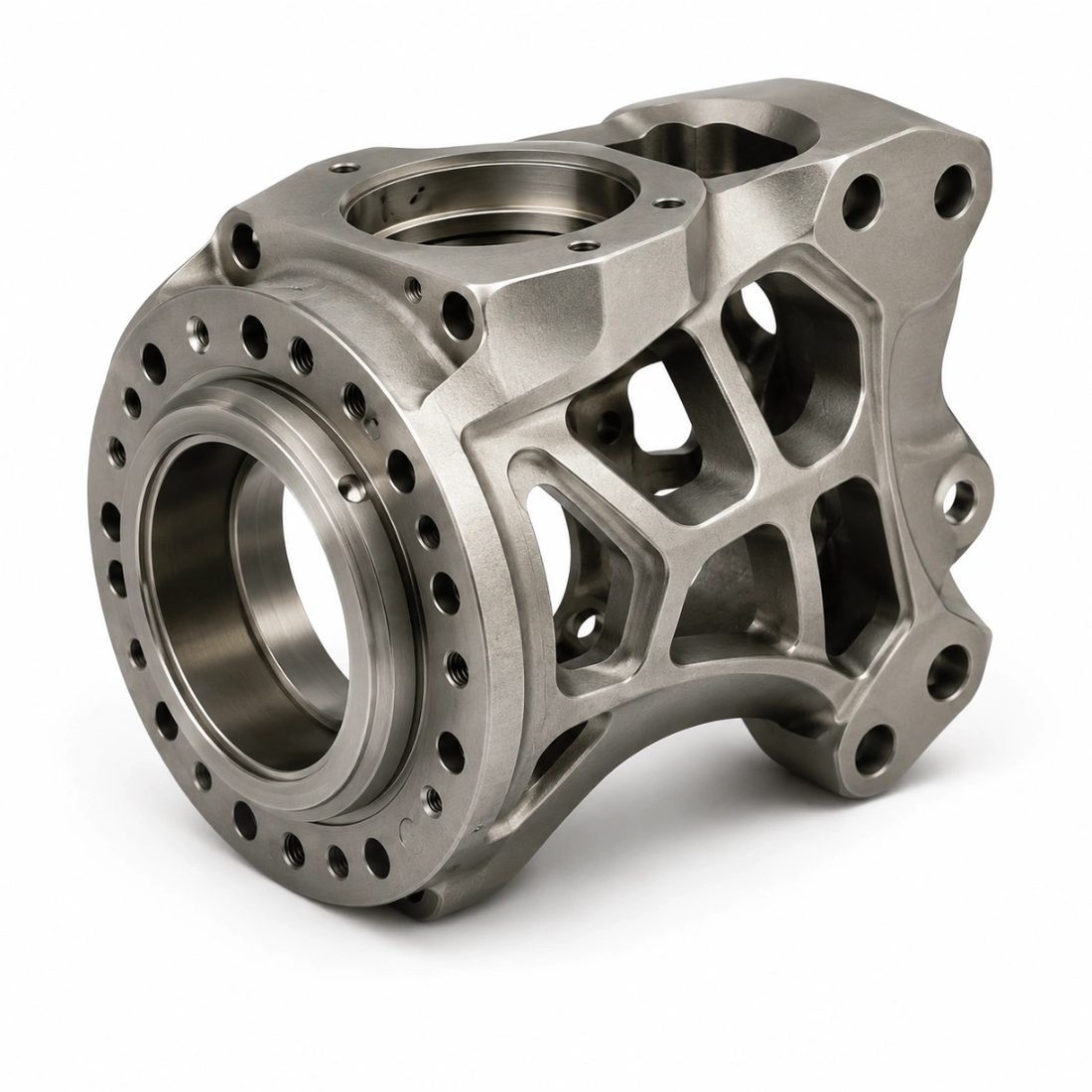
Fluid Control&Valve CNC precision component
Material and Surface Finish for Stainless Steel Mirror Finishing
For valve bodies the alloy decides corrosion resistance, hardness and cleanability. LusterControl machines 304, 316/316L, 303, 440C and 630 (17-4PH) stainless.
- 304 — general corrosion resistance, the default workhorse.
- 316 / 316L — chloride, marine and medical exposure.
- 440C — hardenable, wear-resistant moving parts.
- 630 (17-4PH) — high strength with good corrosion resistance.
Surface matters too. LusterControl reaches Ra 0.6 μm (standard), up to 8K mirror Ra 0.2 μm — the difference between a seal that holds and one that weeps, or a part that sterilizes clean versus one that traps residue. We do electropolishing in-house, so lead time stays short.
Comparing Suppliers for Pump Parts
Not all shops that quote valve bodies are equal. The table below is the quick lens a Fluid Control&Valve buyer should use when the prices look similar.
| Supplier model | Best for | Watch-out |
|---|---|---|
| Trading company | White-label, re-export convenience | You pay a margin and lose traceability to the source. |
| Job shop (no finishing) | Simple one-off parts | You manage plating/polish handoffs and lead time. |
| One-stop source factory (LusterControl) | Turn-mill-finish-assembly in one PO | Confirm certs match your industry upfront. |
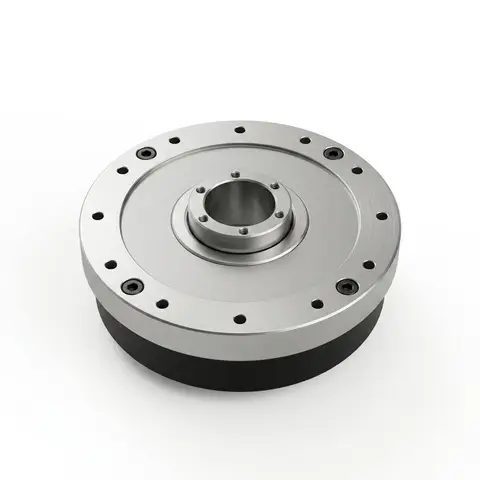
Fluid Control&Valve CNC precision component
Buyer's Checklist for Cnc Fluid Parts
Before you release a PO for valve bodies, run this list. It takes five minutes and removes most of the risk on a Fluid Control&Valve program.
- Drawing is 2D + 3D and the real annual volume is stated.
- Tolerance is called out (not just 'as per drawing').
- Material grade and finish (Ra) are specified.
- Inspection plan and AQL are agreed up front.
- Material cert + lot traceability are in the contract.
- Free DFM review is done before PO to avoid rework loops.
Cost and Lead Time for Valve Bodies
Unit price on valve bodies is material + machine time + finishing + inspection + packaging. LusterControl prices transparently so you can trade off tolerance, finish and volume instead of guessing.
- Send a clean drawing and the real annual volume.
- Confirm material early so we reserve stock.
- Book a free DFM review before PO to relax non-critical tolerances.
- Bundle volume for a sharper unit rate.
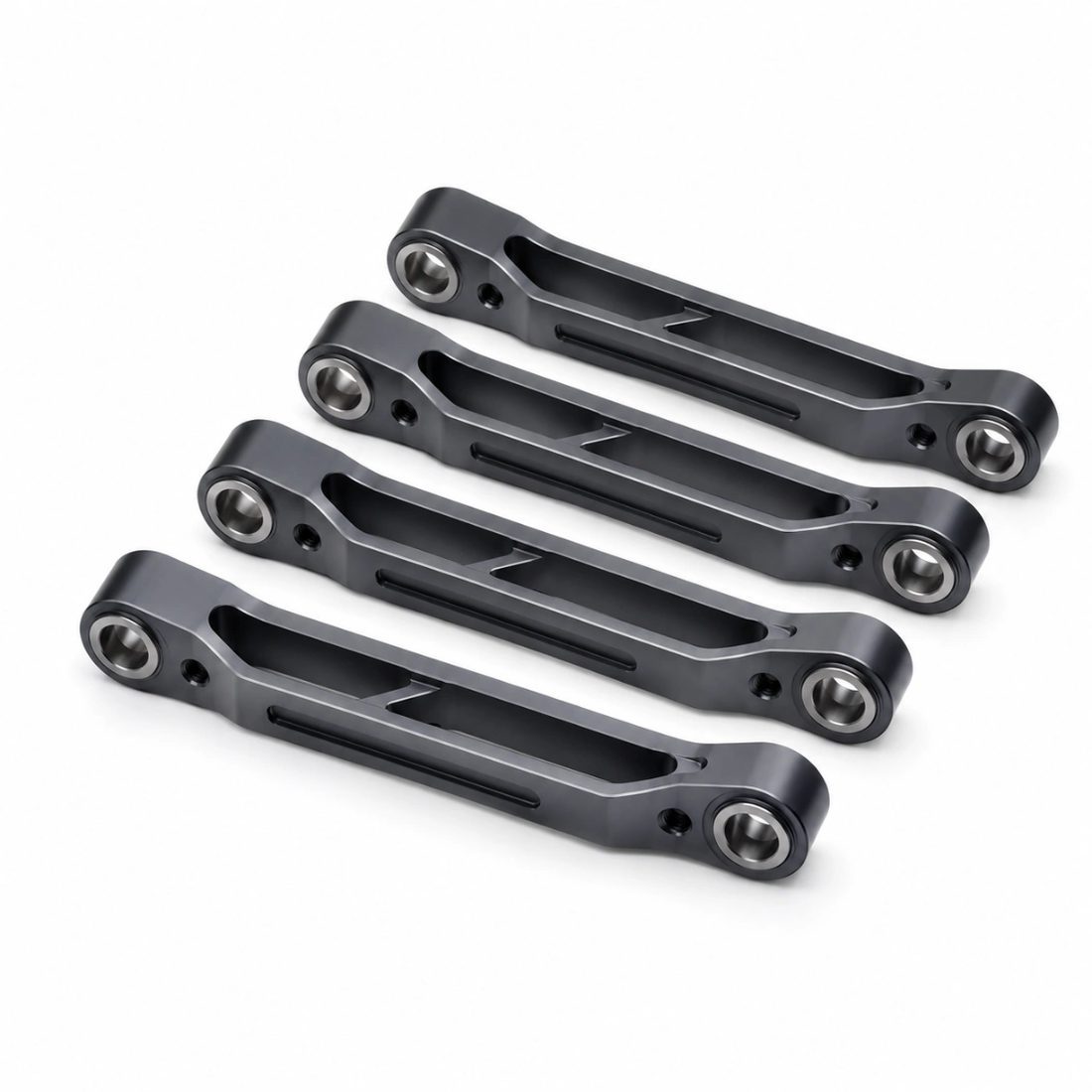
Fluid Control&Valve CNC precision component
Quality Process Framework Behind Seal Surface Finishing
Buyers rarely see the factory floor, so we make the quality system explicit. For valve bodies LusterControl runs a staged control chain — the discipline that lets us hold ±0.005 mm and ship 500,000 parts/month without a recall.
- DFM review before PO — relax non-critical tolerances, pick the right process.
- Incoming material check — mill test report and positive material ID on every lot.
- First-article CMM — measured data, not a promise, as your incoming baseline.
- In-process patrol — SPC / CPK on critical dimensions so drift is caught early.
- Final FQC / OQC — AQL-based full or sampled inspection before shipment.
- Lot traceability — every batch ties back to material and machine for field failures.
| Checkpoint | What the buyer gains |
|---|---|
| DFM | Fewer rework loops, lower unit price. |
| First-article CMM | A reference you can defend in an audit. |
| SPC / CPK | Stable process, not luck, on critical dims. |
| Lot traceability | Fast root cause if a part fails in the field. |
A Real Manifold Blocks Program We Shipped
Numbers build trust more than adjectives. From our Dongguan plant: a UAV structural order won at RMB 1.2 million on tight concentricity; mirror-finished coffee-machine parts supplied to De'Longhi, Donlim and Breville-grade programs at 8K Ra 0.2 µm; and medical handles held to burr-free, biocompatible specs.
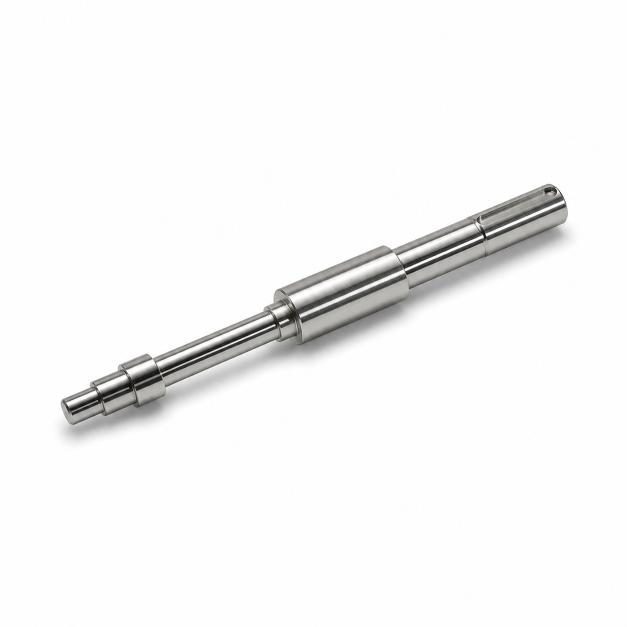
Fluid Control&Valve CNC precision component
More Stainless Steel Mirror Finishing Reading for Fluid Control&Valve Buyers
If you are scoping valve bodies for Fluid Control&Valve, these pages help you go further — from a free DFM review to the team behind the parts.
- Request a free DFM review — marked-up drawing, recommended process and price range.
- Meet the LusterControl engineering team and our certifications.
- Read more buyer guides on tolerances, materials and supplier checks.
- LusterControl homepage — capacities, processes and industries served.
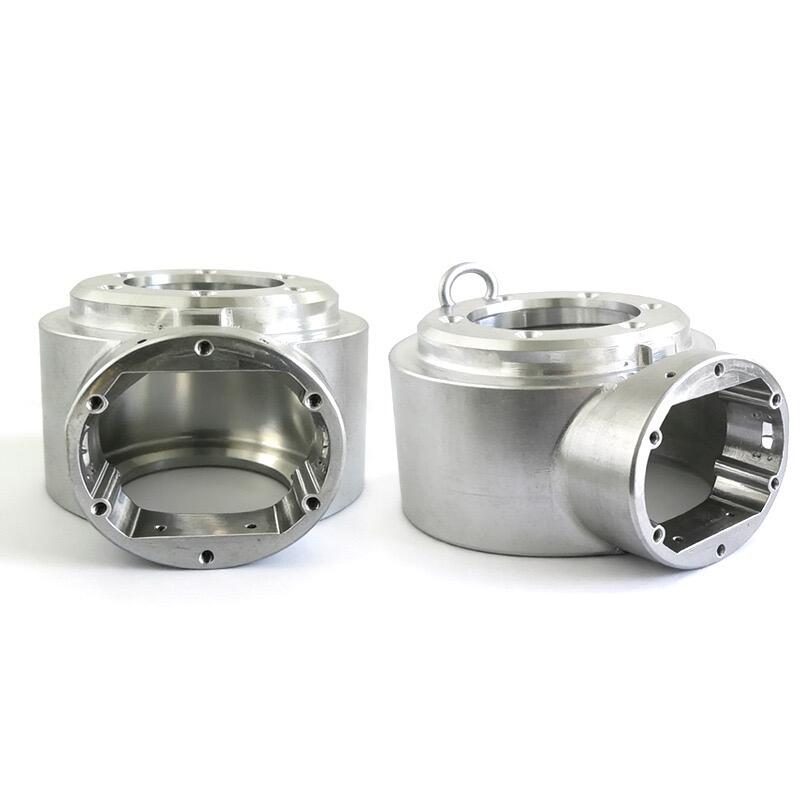
Fluid Control&Valve CNC precision component
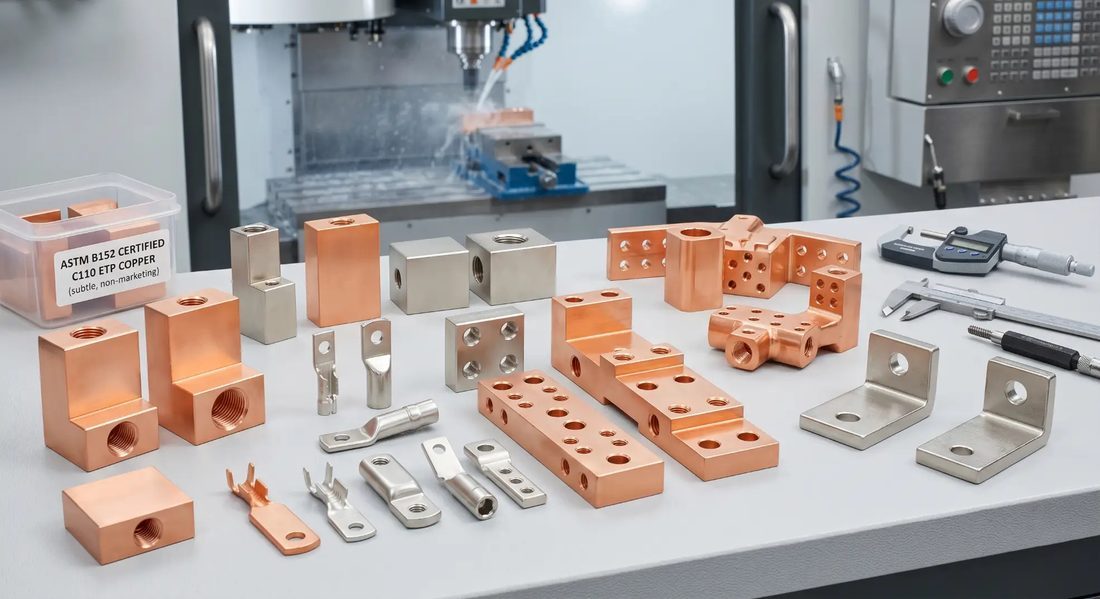
Fluid Control&Valve CNC precision component
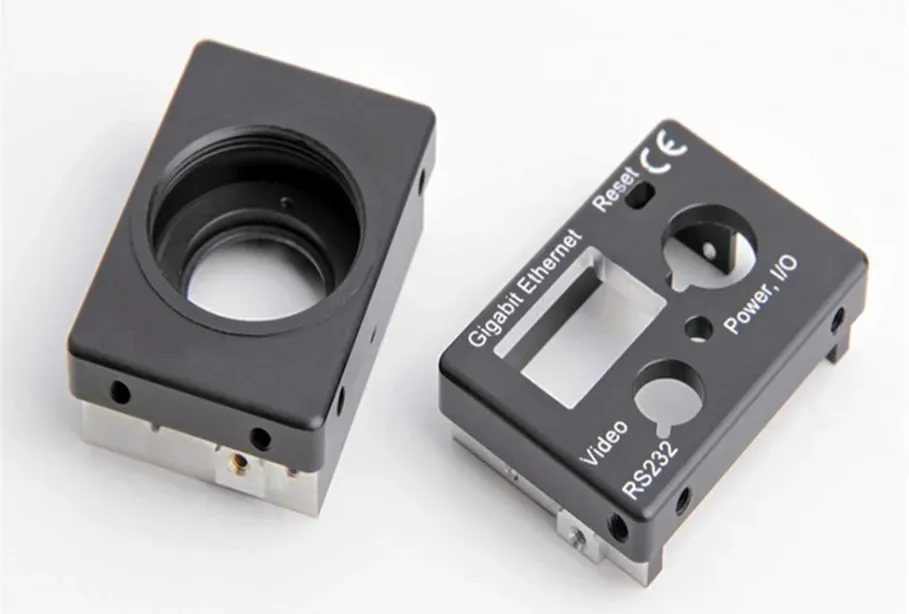
Fluid Control&Valve CNC precision component
FAQ: valve bodies & Fluid Control&Valve Buyer Questions
A: We hold ±0.005 mm on stainless mirror-finished parts, with CMM first-article data and lot traceability for every batch. For a Fluid Control&Valve buyer that means the fit and scrap risk are designed out before cutting.
A: 304 for general use, 316/316L for chloride or medical/marine exposure, 440C when you need hardenable wear resistance. We machine 304, 316, 303, 440C and 630 (17-4PH), each with a material cert.
A: Yes. LusterControl is a Dongguan source factory: turning, milling, 5-axis, mirror/electropolishing, anodize and assembly are all in-house across 4,000 m² plant with 60 CNC machines — one PO, one quality record.
A: ISO 9001 certified, ISO 13485 completed, IATF 16949 applying. If your part is a regulated medical device, ISO 13485 is the baseline buyers must see, and we can show the certificate plus the audit trail.
A: We target a 7-day first article from drawing to sample for many programs and accept low-MOQ or single-piece prototypes, scaling to 500,000 parts/month in volume. Book a free DFM review before PO to shorten it.
Ready to move your program forward? Send us your drawing and we will return a free DFM review with the real achievable tolerance, lead time and unit-price curve for your part — no commitment required.
Request a Free CNC Quote