Copper Bus Bars and Battery Box Parts: A 2026 Technical Guide
If you are building or sourcing an energy storage system, the parts that fail first are rarely the cells. They are the copper bus bars and the battery box parts that connect, cool, and contain them. A bus bar with a wavy joint face does not just lose a little conductivity - it builds a hot spot that climbs every thermal cycle until the insulation degrades. We have watched procurement teams spec a whole pack around a bus bar drawing that nobody checked for flatness, then wonder why the pack tripped on thermal runaway at 80 percent of rated load.
This guide is written from the shop floor, not a catalog. We walk through why copper bus bars and the enclosures around them demand a different machining discipline than a cosmetic bracket, how thermal management actually drives the geometry, and which energy storage components need the tight tolerances we hold at +/-0.005 mm. You will also get a buyer's sourcing checklist you can hand a supplier today.
LusterControl (Dongguan Licun Technology) has machined precision CNC parts since 2015 - 15 years of stainless mirror finishing, 60 CNC machines, a 2,000 sqm floor, and about 500k parts a month. The numbers below are the ones we argue about with customers before the first chip is cut, and they are the ones that decide whether your pack ships safe.
Table of Contents
- 1. Why Copper Bus Bars Carry the Current You Can't Afford to Lose
- 2. How CNC Power Parts Are Machined for Energy Storage
- 3. Thermal Management of Battery Box Parts: The Real Design Driver
- 4. Aluminum CNC Machining vs Copper for Bus Bars and Enclosures
- 5. Which Energy Storage Components Need Tight Tolerances?
- 6. A Sourcing Checklist for Copper Bus Bars and Battery Box Parts
- 7. Common Mistakes When Specifying CNC Power Parts for Energy Storage
- 8. EEAT: Why LusterControl Machines Energy Storage Components
Energy Storage AI part image
Why Copper Bus Bars Carry the Current You Can't Afford to Lose
A bus bar is just a shaped conductor - until its joint face is not flat.
Copper bus bars are the highways of an energy storage system. They carry the full pack current between cells, modules, and the inverter, and because resistance scales with the square of current, every milliohm you add at a joint becomes heat you have to remove. Pure copper conducts around 58 MS/m - roughly 1.6 times the conductivity of aluminum - which is why it stays the default for high-current links even though it costs more per kilo.
The trap is the joint. A bus bar is only as good as the two flat faces pressed together by a bolt. If one face bows by 0.05 mm across a 40 mm width, the real contact area can drop by half, local current density spikes, and that spot heats faster than the rest. On a pack that cycles thousands of times, that is exactly where thermal management starts to lose the fight.
What a bus bar joint really is
- Bus bar
- A rigid conductor, usually copper or aluminum, that distributes high current between cells, modules, or the inverter in a battery or energy storage system.
- Joint face
- The machined surface where two bus bars or a bus bar and a cell terminal are clamped together; its flatness sets the real contact area.
- Contact resistance
- The residual resistance at a bolted joint; it rises as true contact area falls, and it is the main source of I-squared-R heating.
| Factor | Copper bus bars | Aluminum bus bars |
|---|---|---|
| Conductivity | ~58 MS/m | ~35 MS/m |
| Density | 8.96 g/cc | 2.70 g/cc |
| Relative weight | Heavier | ~45% lighter |
| Bolted-joint creep | Low | Higher; needs spring washers |
| Best use | High-current links, inverters | Long runs, weight-sensitive packs |
The table is not an argument for one metal over the other - it is a reminder that CNC power parts have to be specified for the failure mode you care about. If weight rules the pack, aluminum wins on mass; if joint reliability under high current rules, copper's conductivity and creep resistance earn the premium.
Energy Storage AI part image
How CNC Power Parts Are Machined for Energy Storage
Machining copper is the opposite of machining aluminum - plan for it.
CNC power parts like bus bars and terminal blocks look simple on a drawing: a flat plate, a few holes, maybe a bend. The machining is where discipline shows. Copper is gummy - it work-hardens under a dull edge and builds a built-up edge on the tool that ruins finish and dimension. We run sharp, polished inserts, conservative surface speeds, and generous coolant so the cut stays clean and the joint face stays flat.
The three steps that decide a good bus bar
- Rough the profile and hole pattern on a 3-axis center, leaving 0.1-0.15 mm for finish
- Finish the joint faces in one setup so flatness is set by a single datum, not a re-clamp
- Deburr every edge and verify hole true-position on a CMM before plating or coating
Holding the part on one datum through the finishing pass is the single biggest lever on flatness. Every time a bus bar is flipped or re-clamped, you risk a 0.01-0.03 mm datum shift - small on paper, large when it halves your contact area. Our 60-machine floor runs turn-mill and 5-axis centers so we can finish critical faces without releasing the part.
Thermal Management of Battery Box Parts: The Real Design Driver
Cooling plates and box walls are structural parts that also move heat.
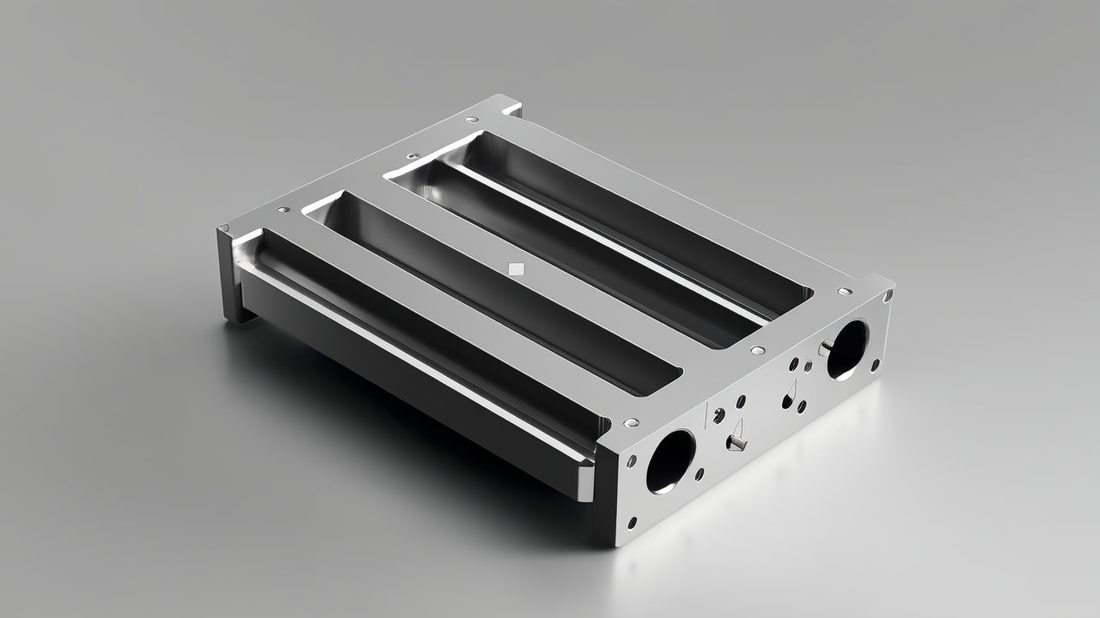
Thermal management is the reason battery box parts are rarely just stamped sheet. The enclosure walls, the cell-to-cooling-plate interface, and the bus bar raceways all sit in the heat path. If the box is machined or extruded aluminum, its job is twofold: keep the cells located to +/-0.1 mm through thermal cycling, and present a flat, clean face so the thermal interface material actually conducts instead of trapping air.
We see the same lesson as with bus bars: flatness is the product. A cooling plate that is 0.05 mm out across its length leaves a gap the thermal pad cannot bridge, and the cell above it runs hot. The fix is machining the interface face in one setup and verifying flatness on a CMM, not trusting the extrusion tolerance.
Where thermal and structural specs collide
- Interface face flatness: target 0.05 mm or better across the plate
- Wall thickness: enough to resist creep at bolt torque, not so thick it adds mass
- Hole pattern true-position: +/-0.1 mm so modules seat without binding
- Surface for TIM: Ra 1.6 um max so the pad wets fully
- Corner radii: R0.5 min to avoid stress cracks at the seal
For automotive CNC parts and stationary storage alike, the box is where thermal management meets structural integrity. The discipline we apply to stainless mirror finishing - holding Ra 0.2 um on a seal face when needed - transfers directly to these interface surfaces.
Energy Storage AI part image
Aluminum CNC Machining vs Copper for Bus Bars and Enclosures
The choice is not 'better metal' - it is which failure you are designing against.
Aluminum CNC machining is fast, stable, and kind to your tolerance budget. We mostly run 6061 and 6082 for enclosures and 6063 for extruded rails. Copper is slower and demands sharper process control, but it wins where joint resistance and creep matter most. The buyer's job is to decide which property protects the pack.
Pros
- Aluminum: light, cheap, easy to hold tight tolerances
- Aluminum: anodizes cleanly for insulation and corrosion resistance
- Copper: highest conductivity, lowest joint heating
- Copper: resists bolt creep, holds clamp load longer
Cons
- Aluminum: ~40% lower conductivity, needs larger cross-section
- Aluminum: creeps at bolted joints without spring washers
- Copper: heavier and more expensive per kilo
- Copper: gummy to machine, needs sharp-tool discipline
| Process factor | Aluminum CNC machining | Copper machining |
|---|---|---|
| Typical cycle time | Fast (baseline 1x) | 1.5-2.5x slower |
| Tool wear | Low | Higher (built-up edge risk) |
| Finish to Ra 0.6 um | Routine | Needs careful passes |
| Best application | Boxes, rails, plates | High-current bus bars, terminals |
Which Energy Storage Components Need Tight Tolerances?
Spend the tolerance budget where a misfit actually hurts.
Not every energy storage component needs +/-0.005 mm. The art is putting the tight tolerance on the relationships that fail: bus bar joint faces, module-to-box locating features, and seal interfaces. Everything cosmetic gets commercial tolerances so the cost stays sane.
| Project requirement | Recommended approach | Why it wins |
|---|---|---|
| High-current bus bar joint | Flat joint face, Ra 0.6 um, single-setup finish | Kills contact resistance and hot spots |
| Module locating in box | Hole true-position +/-0.1 mm, one datum | Modules seat without binding or stress |
| Cooling-plate interface | Flatness 0.05 mm, Ra 1.6 um max | TIM wets fully, heat actually moves |
| Cosmetic cover / label plate | Commercial tolerance | Saves cost, no function at risk |
Choose copper bus bars if...
- Your pack current is high and joint heating is the limiting risk
- Bolted joints must hold clamp load through thousands of cycles
- You need the lowest possible resistance per unit length
Choose aluminum CNC machining if...
- Weight or cost drives the design more than peak conductivity
- The part is an enclosure, rail, or plate rather than a current link
- You can size a larger cross-section to recover the lost conductivity
Energy Storage AI part image
A Sourcing Checklist for Copper Bus Bars and Battery Box Parts
Hand this to a supplier and the tire-kickers filter themselves out.
Sourcing copper bus bars and battery box parts is less about finding a cheap machine and more about finding a shop that understands current-carrying and thermal intent. The questions below are the ones we are happy to answer with data - and the ones that separate a real precision source from a broker with a logo.
- Ask for the cert stack: ISO 9001 minimum, IATF 16949 a plus (we are in application)
- Request material certs traceable to the heat or lot
- Confirm single-setup finishing for joint and interface faces, not 3-axis re-fixturing
- Get a CMM first-article report with flatness and true-position, not just a photo
- Agree on plating or anodize thickness before quoting - it changes the bore
- Verify lot traceability from raw bar to finished part and a real rework path
- Material cert traceable to heat lot
- CMM report covering flatness + true-position
- Single-setup finish on joint/interface faces
- Agreed plating/anodize thickness on critical dims
- Lot traceability and rework procedure
- Real references in energy storage or automotive
Common Mistakes When Specifying CNC Power Parts for Energy Storage
Most field failures trace back to the drawing, not the shop.
We see the same handful of errors on incoming bus bar and box drawings. None of them look dangerous on paper; all of them show up as heat, leakage, or a pack that will not seat.
- Calling out flatness on a joint face but allowing re-fixturing - the datum shift eats the tolerance
- Forgetting plating thickness on a pressed or bolted bore, so the part binds after finishing
- Drawing R0 internal corners on cooling-plate pockets that no end mill can cut
- Specifying aluminum bus bars without spring washers, then watching clamp load creep away
- Tolerancing the cosmetic cover to +/-0.01 mm and starving the budget that the joint face needed
- Leaving the thermal interface surface rough, so the pad traps air and the cell runs hot
The cheapest bus bar is the one that passes qualification the first time, because the second time costs you a launch date and a thermal test cycle you cannot get back.
Energy Storage AI part image
EEAT: Why LusterControl Machines Energy Storage Components
Experience, expertise, and evidence - the parts you can verify.
We are not a general broker. Dongguan Licun Technology (brand LusterControl) has machined precision CNC parts in Dongguan since 2015 - 15 years focused on stainless mirror finishing and tight-tolerance power and structural parts. For energy storage components, that history means we already run the discipline the pack needs: single-setup finishing, CMM-verified flatness, and lot-level traceability.
Our credentials you can check: ISO 9001 certified, ISO 13485 completed (medical-grade process control), IATF 16949 in application, and passivation per ASTM A967 on stainless parts. We have supplied precision components to De'Longhi, Donlim, and Breville, and supported a UAV customer whose first order reached 1.2 million RMB. The same floor, the same traceability, and the same +/-0.005 mm discipline now serve energy storage components.
Energy Storage AI part image
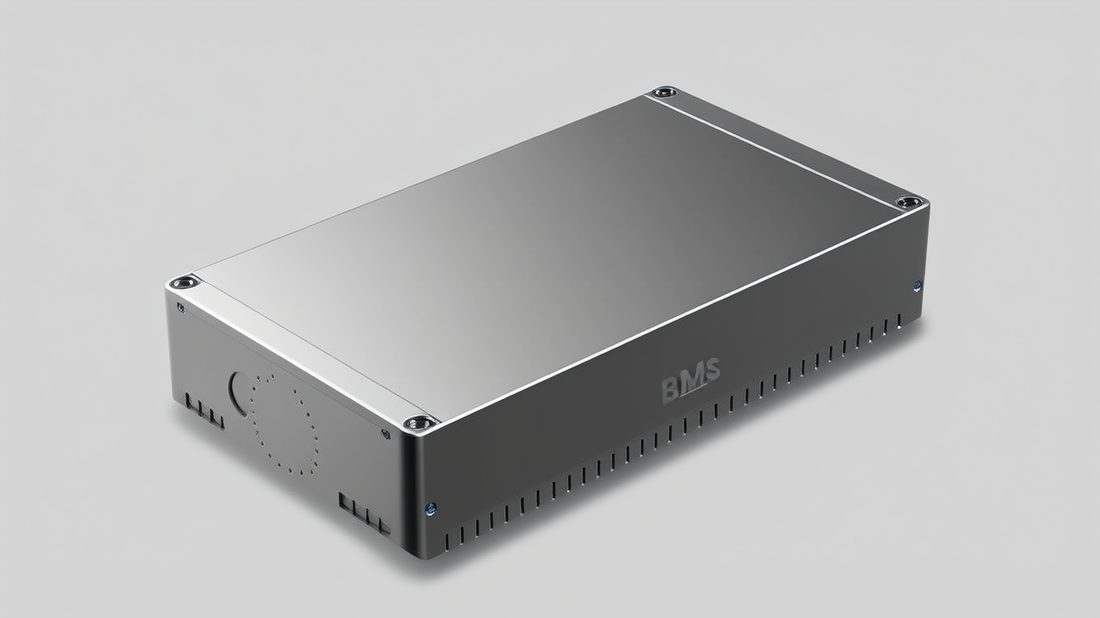
Energy Storage AI part image
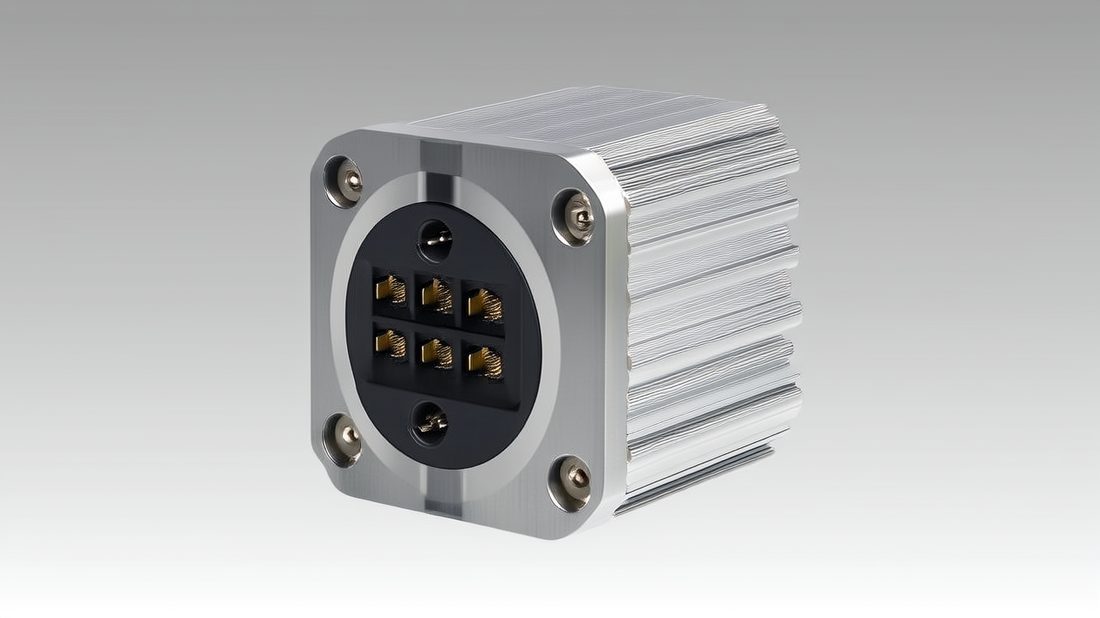
Energy Storage AI part image
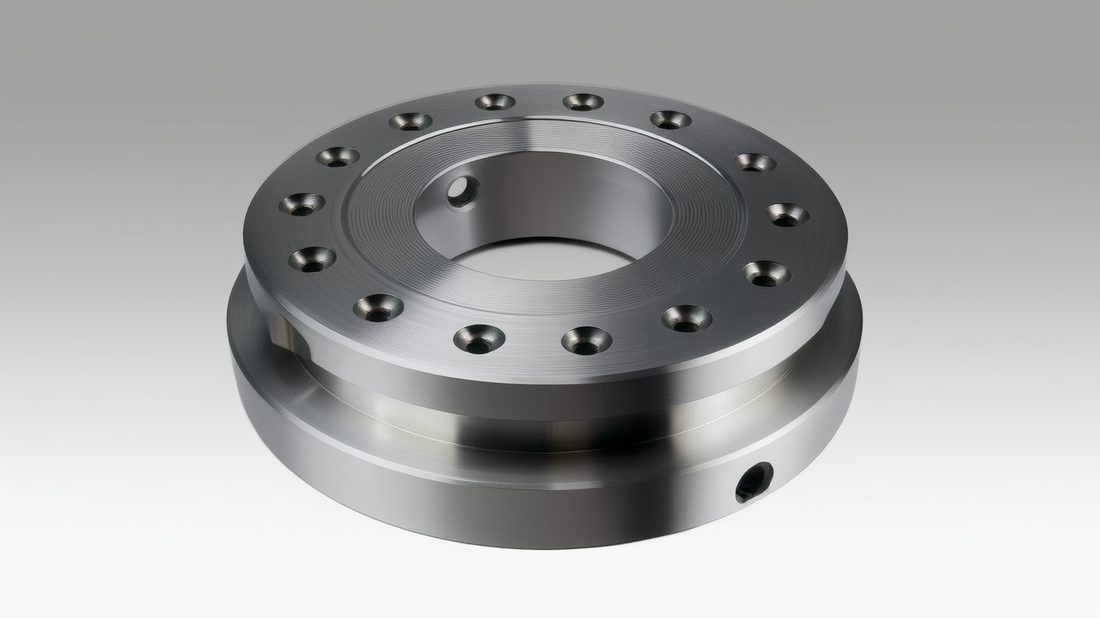
Energy Storage AI part image
FAQ: battery box parts & Energy Storage Buyer Questions
A: Because contact resistance is set by real contact area, and a 0.05 mm bow across a 40 mm face can halve that area. Grade sets bulk conductivity; flatness sets the joint. We finish joint faces in one setup and verify flatness to 0.02 mm on a CMM.
A: Choose copper when joint heating or clamp-load creep is the limiting risk - it conducts about 1.6x better and resists creep. Choose aluminum CNC machining when weight or cost drives the design and you can size a larger cross-section to recover conductivity.
A: Target hole true-position at +/-0.1 mm referenced to a single datum, finished in one setup. That keeps modules seating without binding or inducing stress, while leaving cosmetic features at commercial tolerance to control cost.
A: We machine the bore undersize by the anticipated coating thickness - a few microns for light anodize, more for hard coat - so the finished, coated bore lands at nominal. Designing to the bare condition is the classic mistake that causes binding at assembly.
A: Yes. We supply material certs traceable to the heat or lot, a CMM first-article report covering flatness and true-position, in-process gauging for batch parts, and lot-level traceability from raw bar to finished component.
A: Hold Ra 1.6 um max on the interface face and flatness to 0.05 mm so the thermal interface material wets fully instead of trapping air. We machine and verify these faces on a CMM, because a gap the pad cannot bridge is what makes a cell run hot.
Send us your copper bus bar or battery box drawings for a free DFM review - we will flag the features that need single-setup finishing, the tolerances that are costing you money, and the joint faces where flatness keeps the current safe. Reach out and let's cut the first article.
Request a Free CNC Quote