LusterControl Reaches ISO 13485 Milestone for Medical CNC Parts (2026)
LusterControl news this quarter: our Dongguan source factory has reached the ISO 13485 milestone for medical CNC parts. If you buy precision components for a medical or life-science product, you already know what that line means — and what it does not. ISO 13485 is not a plaque for the wall. It is the quality management system that decides whether the part in your hand is the same as the part that passed the audit, and whether the lot you receive next month is the same as the lot you approved.
This announcement is written from the buyer's side of the table. We explain what ISO 13485 machining actually demands day to day, where the discipline shows up in medical device components, and why stainless steel mirror finishing and lot-level traceability are the parts of the standard that touch your product. If you specify CNC precision machining for anything that goes near a patient, the milestone should change how you read our quotes — not just our brochure.
The practice behind this LusterControl news is the same 60-machine, 4,000 m2 Dongguan floor that has shipped precision parts for brands such as De'Longhi, Donlim and Breville since 2015 — now under ISO 9001 and ISO 13485 control, with IATF 16949 in application.
Table of Contents
- 1. LusterControl News: Why ISO 13485 Is a Milestone, Not a Badge
- 2. ISO 13485 Machining: What the Standard Actually Demands
- 3. Medical Device Components: Where the Discipline Shows Up
- 4. CNC Precision Machining Under Medical Controls
- 5. Stainless Steel Mirror Finishing for Medical Parts
- 6. Quality Certification: From ISO 9001 to ISO 13485
- 7. ISO 13485 Machining Buyer's Checklist
- 8. Medical Device Components: Red Flags in a CNC Shop
- 9. LusterControl News: What the Milestone Means for Buyers
Company AI part image
LusterControl News: Why ISO 13485 Is a Milestone, Not a Badge
A quality system you can audit is the point.
For a CNC shop, ISO 13485 is the medical-device quality management standard. It sits on top of ISO 9001 and adds the controls that matter when a part fails inside a person, not just inside a machine: risk management, traceability, cleanroom-appropriate handling, and documentation that survives an auditor's bad mood. Reaching the milestone means LusterControl runs those controls as the default, not as a special project for one customer.
What changes on the floor
The visible change is small — more records, more sign-offs. The invisible change is large: every medical device component now travels with its material cert, its process parameters and its inspection data tied to a batch, so a field event can be traced to stock and setup instead of a guess. That is the discipline buyers pay for when they ask for ISO 13485 machining, and it is what this LusterControl news confirms is now standard.
Company AI part image
ISO 13485 Machining: What the Standard Actually Demands
Risk management and traceability, written into the process.
Buyers sometimes treat ISO 13485 as 'ISO 9001 plus a medical word.' It is not. ISO 13485 machining demands documented risk management across the product realization process, identification and traceability of every lot, control of contamination and handling, and validation of special processes like passivation and marking. The shop must prove the part is controlled, not just that it was made.
The controls that touch your part
| ISO 13485 requirement | What it means on the floor | Why it matters to you |
|---|---|---|
| Risk management | FMEA-style thinking on each program | Failure modes caught before cutting |
| Traceability | Lot-to-part records for material and process | Field event traced to stock and setup |
| Contamination control | Clean handling of food / medical surfaces | No chip, oil or particle left behind |
| Special process validation | Passivation, marking validated | Finish you approve is the finish you get |
| Document control | Every step recorded and retained | Audit-ready at any time |
For buyers, the practical read is simple: an ISO 13485 machining partner returns a packet with the part, not a promise after the fact. Ask for it and you should receive material certs, first-article data and batch records without a fight — that is the bar this milestone represents.
Medical Device Components: Where the Discipline Shows Up
Not every medical part needs the full weight — but the ones that do, really do.
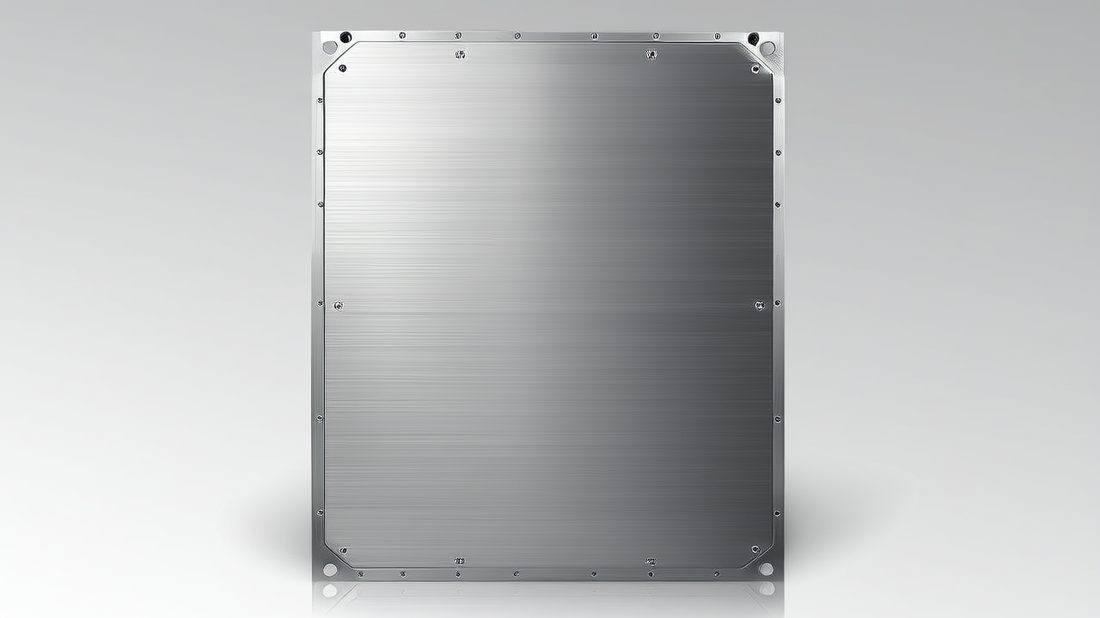
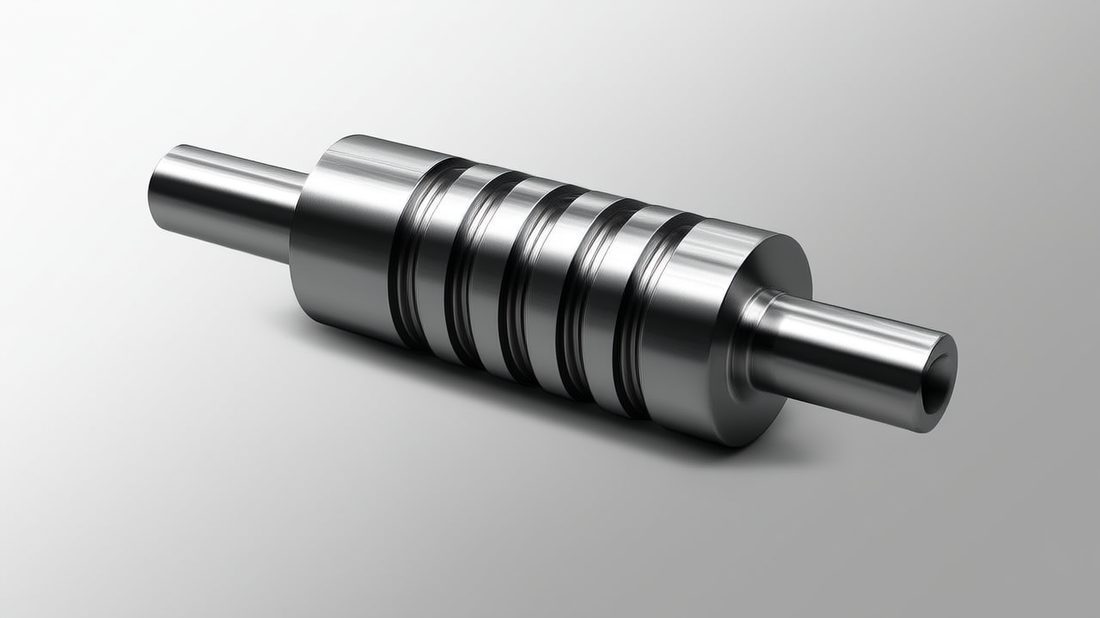
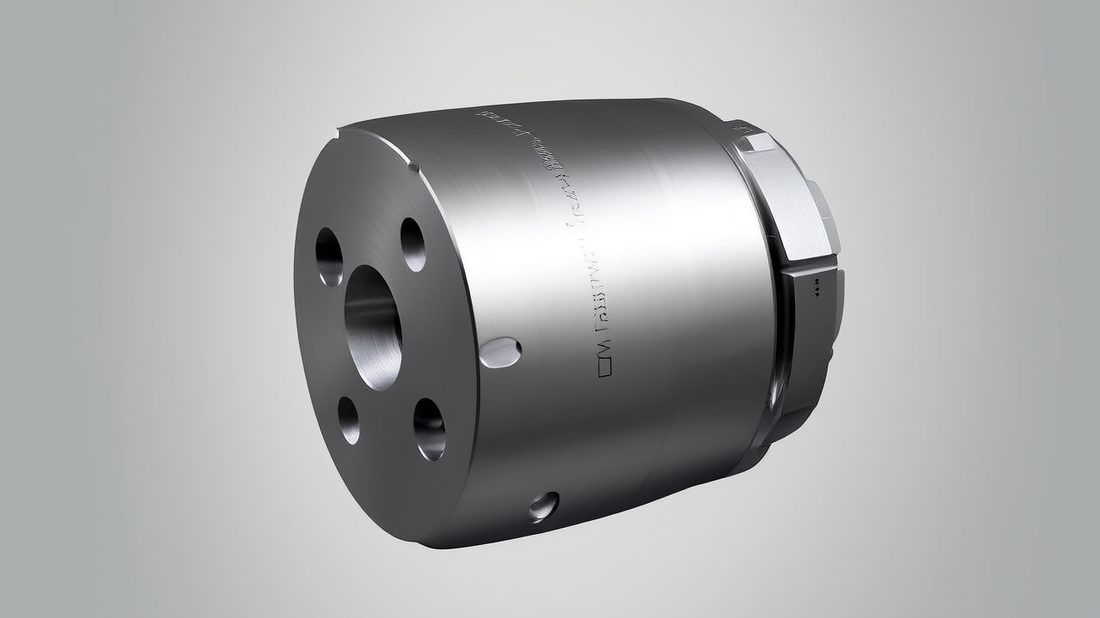
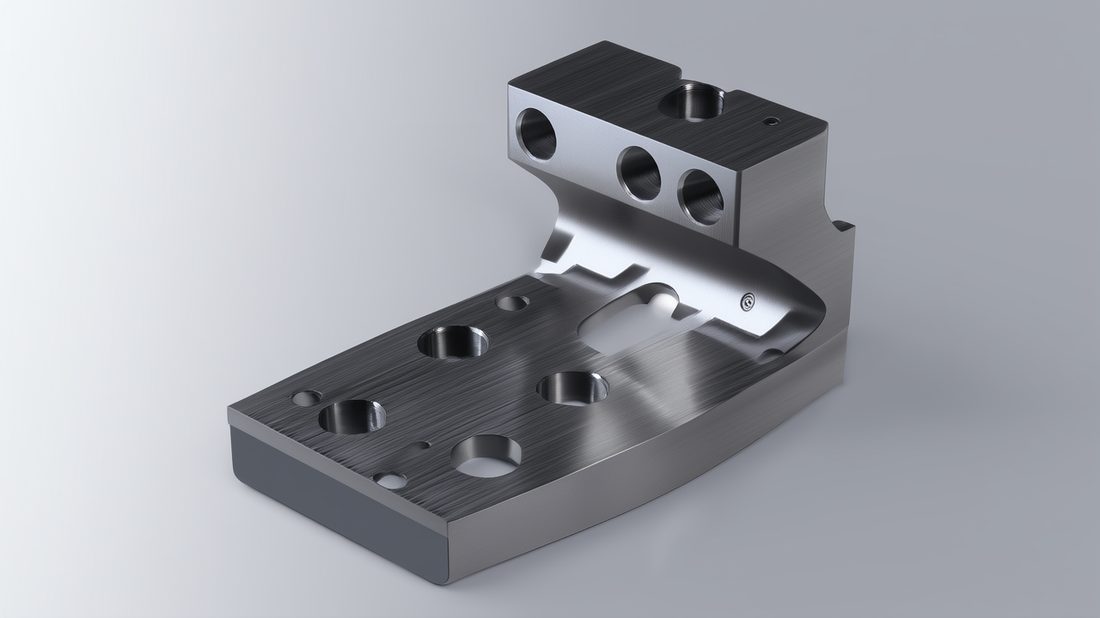
Medical device components span a huge range, from non-contact brackets to implant-adjacent parts. The ISO 13485 discipline pays off hardest on the parts that touch fluid, tissue or a sterile field: surgical instrument bodies, diagnostic housings, fluid-path fittings, and the stainless steel mirror finishing on surfaces that must clean without trapping residue. That is where traceability and contamination control stop being paperwork and start protecting a patient.
Which medical parts earn the full system
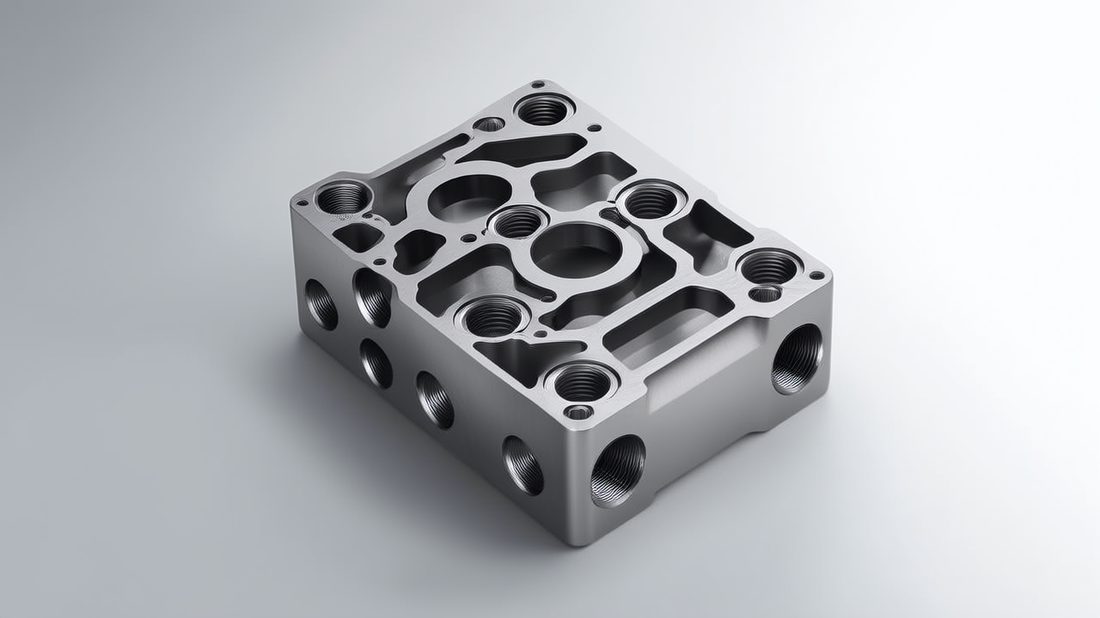
- Fluid-path fittings and valves in diagnostic or therapy devices
- Housings and brackets inside sterile or single-use instruments
- Mirror-finished stainless surfaces that must clean without residue
- Parts where a field failure must be traced to a specific lot
- Components moving from prototype to regulated production
Company AI part image
CNC Precision Machining Under Medical Controls
Tolerance is held the same; the paper is what tightens.
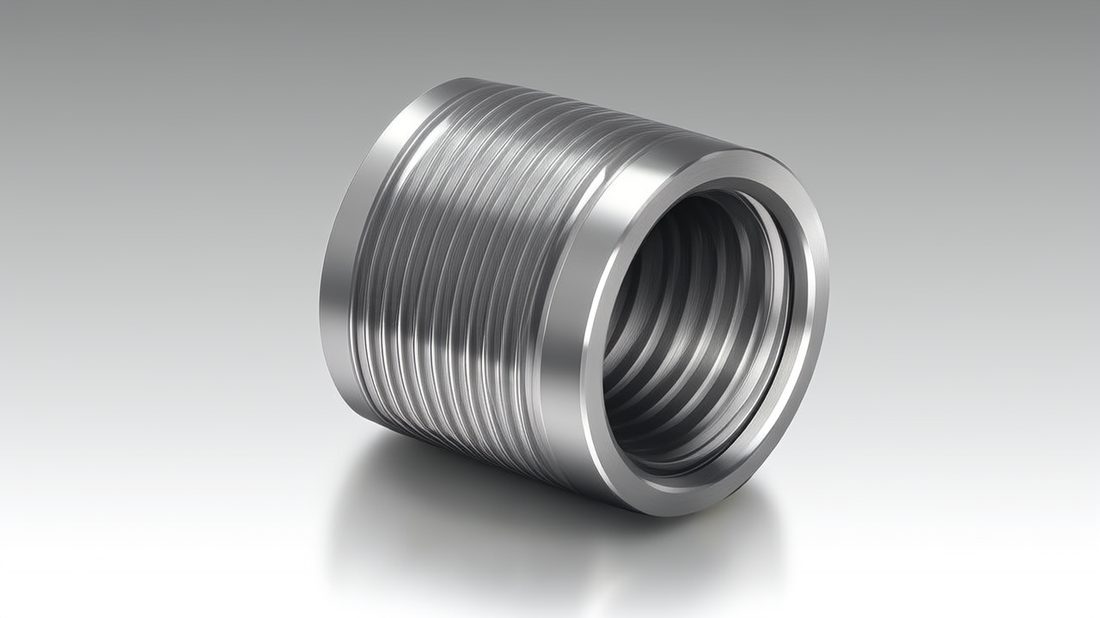
The machining itself does not change because a part is medical. CNC precision machining still holds the seat and bore to +/-0.005 mm, still cuts bores and seats in one setup so concentricity is locked by the machine. What changes under ISO 13485 is everything around the cut: the incoming material is certified, the parameters are recorded, the inspection is first-article plus lot, and the result is tied to a batch you can audit.
Probe, machine, record, repeat
| Step | Non-regulated job | ISO 13485 machining |
|---|---|---|
| Material | Cert on request | Mill cert with every lot |
| Setup | Operator judgment | Recorded, risk-reviewed |
| Cut | Same +/-0.005 mm | Same +/-0.005 mm, probed in place |
| Finish | As specified | ASTM A967 passivation validated |
| Records | Ship ticket | Batch-level, audit-ready |
The takeaway for buyers: you get the same geometric truth as any precision job, plus the evidence trail that a regulated product requires. That is the whole point of the milestone — the metal was always capable; now the paperwork is too.
Stainless Steel Mirror Finishing for Medical Parts
Mirror is hygiene, and hygiene is documented.
On medical device components, stainless steel mirror finishing does double duty: it gives a cleanable, low-adhesion surface (down to Ra 0.2 µm, our 8K tier) and it removes the microscopic ledges where residue or biofilm hide. Under ISO 13485 that finish is also a controlled, validated process — passivation per ASTM A967 is recorded, not assumed, so the passive film that resists corrosion is actually there.
Finish ladder for medical contact
| Finish tier | Roughness (Ra) | Medical role |
|---|---|---|
| As-machined | Ra 0.8–1.6 µm | Non-contact only |
| Standard mirror | Ra <= 0.6 µm | Housings, brackets |
| 8K mirror | Ra 0.2 µm | Fluid-path, sterile surfaces |
| Electropolished + ASTM A967 | Ra 0.2 µm + film | Best cleanability + corrosion |
Company AI part image
Quality Certification: From ISO 9001 to ISO 13485
One system, stacking standards.
LusterControl did not jump straight to medical. ISO 9001 was the base layer — the quality management system every serious shop should hold. ISO 13485 builds on it for medical devices. IATF 16949, now in application, adds the automotive layer. The value to a buyer is that one source factory can serve medical, automotive, semiconductor, UAV and consumer programs under overlapping, auditable systems instead of three separate shops with three separate habits.
What each certificate buys the buyer
Pros
- ISO 9001: baseline control, corrective action, documented process
- ISO 13485: medical risk management, traceability, contamination control
- IATF 16949 (in application): automotive layered auditing and PPAP discipline
- One floor: cross-pollinated process control across industries
Cons
- More records to maintain — but they protect you, not the shop
- Slightly longer lead time while first-article is documented
- Not every low-risk part needs the full medical weight
The honest buyer's note: if your part is non-contact and low-risk, ISO 9001 is enough and you should not pay for medical overhead. If your part touches a patient or a sterile field, ISO 13485 machining is the floor, not a luxury — and this LusterControl news means you can get it from the same line that already serves your non-medical work.
ISO 13485 Machining Buyer's Checklist
Seven things to put on a medical CNC RFQ.
- State the device class and which quality system the part requires
- Require lot-level material certs and process traceability
- Name the contact surfaces and their Ra target (not just 'mirror')
- Specify passivation (ASTM A967) for any stainless in the fluid or sterile path
- Ask for first-article inspection plus lot CMM data
- State volume and phasing so validation is planned, not rushed
- Confirm the supplier's ISO 13485 scope covers your part type
Common mistakes buyers make
- Assuming ISO 9001 covers medical risk management — it does not
- Forgetting traceability until a field event forces it
- Skipping passivation records on stainless contact surfaces
- Asking for 'medical grade' with no device class or Ra number
- Splitting one BOM across shops and breaking the audit trail
Send those seven items and an ISO 13485 machining partner can return a real, validated quote instead of a padded guess. A free DFM review before cutting flags the contact surfaces and tolerances that actually decide cleanability and yield. Start one on our inquiry page.
Company AI part image
Medical Device Components: Red Flags in a CNC Shop
What a qualified medical shop shows without being asked.
- No ISO 13485 scope, or a cert that does not cover your part type
- No mill cert with the lot — only a promise of 'good material'
- No first-article or CMM data, just a ship ticket
- Passivation treated as optional for stainless contact surfaces
- No batch traceability — a field event cannot be tied to stock
- Vague tolerance claims with no micron band and no datum
LusterControl News: What the Milestone Means for Buyers
Same line, now auditable end to end.
LusterControl news this quarter is not a rebrand. It is the confirmation that medical device components, CNC precision machining and stainless steel mirror finishing now run under one ISO 13485-controlled system on the same Dongguan floor that has served consumer and automotive brands since 2015. For buyers, that means you can source a surgical instrument body, a diagnostic housing and a coffee machine brew chamber from one supplier whose quality system already talks to your auditor.
One house, stacking standards
With 60+ CNC machines across a 4,000 m2 source factory at 500K parts per month, the ISO 13485 milestone lifts every program that touches the floor — because the hardest standard on the line raises the others. You get prototype agility and production scale under one certified quality system, with the traceability medical buyers require built in rather than negotiated.
Company AI part image
Company AI part image
Company AI part image
Company AI part image
FAQ: LusterControl news & Company Buyer Questions
A: It means medical device components now run under one ISO 13485-controlled system on the same Dongguan floor that serves consumer and automotive brands. Buyers get lot-level material certs, first-article data and batch traceability built in, not negotiated — the same line, now auditable end to end.
A: No. ISO 9001 is the baseline quality management system; ISO 13485 builds on it for medical devices with risk management, lot-level traceability, contamination control and validated special processes like passivation. If your part touches a patient or sterile field, ISO 13485 machining is the floor, not a luxury.
A: Our turn-mill and 5-axis cells hold +/-0.005 mm repeatably on turned features such as bores and seats, with Ra 0.2 µm (8K mirror) achievable on contact surfaces. Under ISO 13485 the same geometry is cut and finished in one setup, then shipped with first-article and CMM data tied to the batch.
A: Yes, for any stainless in the fluid or sterile path. Passivation per ASTM A967 rebuilds the corrosion-resistant oxide film after finishing, and under ISO 13485 it is a validated, recorded process — so the clean, passive surface you approve is the surface that ships.
A: The parts that touch fluid, tissue or a sterile field: surgical instrument bodies, diagnostic housings, fluid-path fittings and mirror-finished stainless surfaces that must clean without residue. Non-contact, low-risk brackets are fine under ISO 9001 and do not need medical overhead.
A: Check the ISO 13485 scope covers your part type, require a mill cert with the lot, ask for first-article and CMM data, confirm ASTM A967 passivation records on stainless contact surfaces, and insist on batch traceability. Any shop that cannot show those is selling a label, not a system.
Send us your medical device component drawing for a free DFM review — we will flag the contact surfaces, tolerances and passivation steps that actually decide cleanability and audit readiness, all under one ISO 13485-controlled Dongguan line.
Request a Free CNC Quote