LusterControl Reaches ISO 13485 Milestone for Medical CNC Parts
If you source medical device components from an overseas CNC shop, the single question that keeps procurement managers up at night is simple: when an auditor asks where this part came from and how it was made, can your supplier answer with a paper trail instead of a promise? A supplier's quality certification is not a trophy on the wall. It is the difference between a clean audit and a recall.
That is why this LusterControl news matters to buyers, not just to us. Dongguan Licun Technology Co., Ltd. (brand LusterControl) has reached its ISO 13485 quality certification milestone for medical-grade CNC precision machining, building on the ISO 9001 certification we have held for years. For you, that means a documented, auditable process for the stainless steel and precision parts that end up inside medical equipment.
In this piece we walk through what the ISO 13485 milestone actually changes, why stainless steel mirror finishing matters for medical device components, and the exact checklist you should run before qualifying any medical CNC machining partner. We write it from the shop floor in Dongguan, with the numbers we machine to every day.
Table of Contents
- 1. What the LusterControl ISO 13485 Milestone Means for Medical Device Components
- 2. Why ISO 13485 Machining Matters for Medical Device Components
- 3. Stainless Steel Mirror Finishing in Our Medical Device Components
- 4. LusterControl News: Reaching a Quality Certification Milestone
- 5. How CNC Precision Machining Supports ISO 13485 Compliance
- 6. What Buyers Should Verify About Quality Certification and CNC Precision Machining
- 7. LusterControl News: Our Medical Components Roadmap After ISO 13485
Company AI part image
What the LusterControl ISO 13485 Milestone Means for Medical Device Components
Certification is only useful if you know what risk it removes from your supply chain.
For a buyer of medical device components, ISO 13485 is the quality management standard written specifically for the medical device supply chain. Where a general standard like ISO 9001 proves a factory can run a consistent process, ISO 13485 proves that process was designed around the unforgiving requirements of medical parts: risk control, traceability, cleanliness, and documentation that survives an auditor's scrutiny.
Risk transfer in the supply chain
When you buy a machined bracket or shaft from a shop without medical-grade certification, the regulatory risk stays with you. If that part fails a cleanliness check at your incoming inspection, you own the fallout. A supplier that holds ISO 13485 machining capability has already built the controls - material traceability, process validation, contamination control - that let you push that risk back up the chain where it belongs.
What ISO 13485 actually controls
In practice the standard governs how we handle raw bar stock, how we log each operation, how we control the shop floor environment for medical-grade work, and how we retain records so a part shipped today can be reconstructed from documents years later. For components like surgical-instrument shafts, endoscopic housings, and implant-adjacent brackets, that paper trail is often what your own notified body asks for first.
| Control area | ISO 9001 (general) | ISO 13485 (medical) |
|---|---|---|
| Primary goal | Consistent customer satisfaction | Patient safety plus regulatory compliance |
| Traceability | Lot-level recommended | Mandatory, per-batch to raw material |
| Risk management | Process risk | Product plus process plus use-risk |
| Cleanliness controls | Not specified | Defined for medical exposure |
| Record retention | Contractual | Regulatory minimum periods |
Company AI part image
Why ISO 13485 Machining Matters for Medical Device Components
The standard exists because a medical part fails differently than an industrial one.
An industrial bracket that drifts out of tolerance might rattle. A medical device component that drifts out of tolerance can compromise a procedure. That asymmetry is why ISO 13485 machining layers validation and verification on top of ordinary CNC precision machining - so the part you receive is the part that was qualified, every single time.
Traceability you can defend in an audit
Our medical lots carry identification from the incoming material certificate through every machining step to the final inspection report. If your notified body asks which heat of 316L a specific surgical shaft came from, we answer with a record, not a recollection. This is the core promise of ISO 13485 machining and the reason it protects you long after the purchase order closes.
Cleanliness and surface finish for medical exposure
Parts that contact tissue or fluid cannot carry burrs, embedded coolant, or a rough surface that harbors biofilm. We control this two ways: tight CNC precision machining tolerances and disciplined stainless steel mirror finishing so the as-machined surface is cleanable by design. For many medical device components the finish is a specification, not a nicety.
Stainless Steel Mirror Finishing in Our Medical Device Components
A smooth surface is easier to validate, easier to clean, and harder to fail.
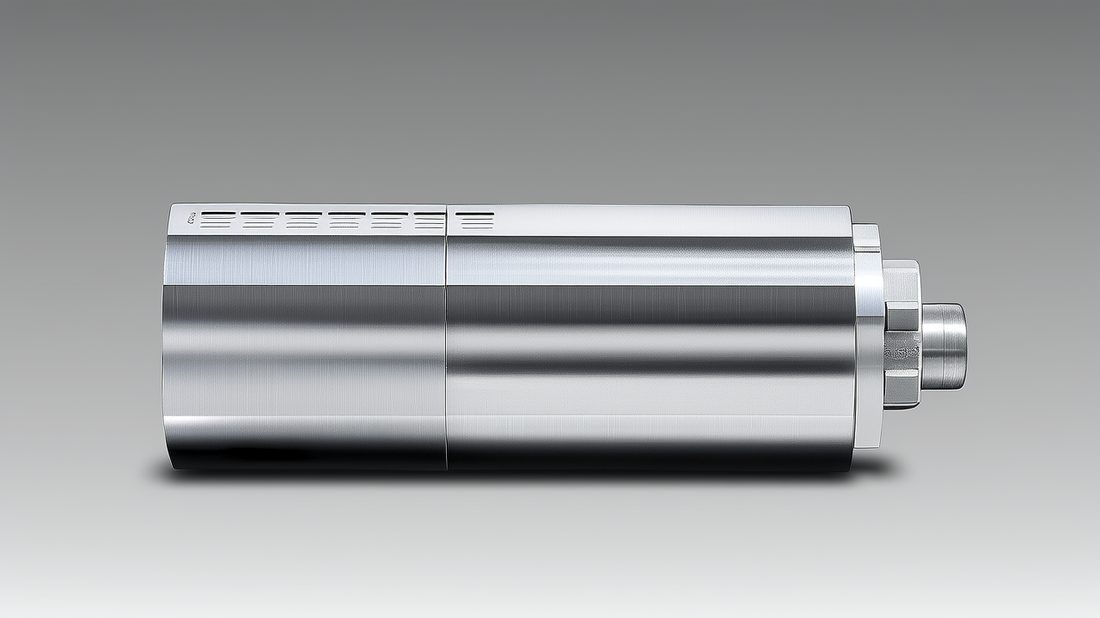
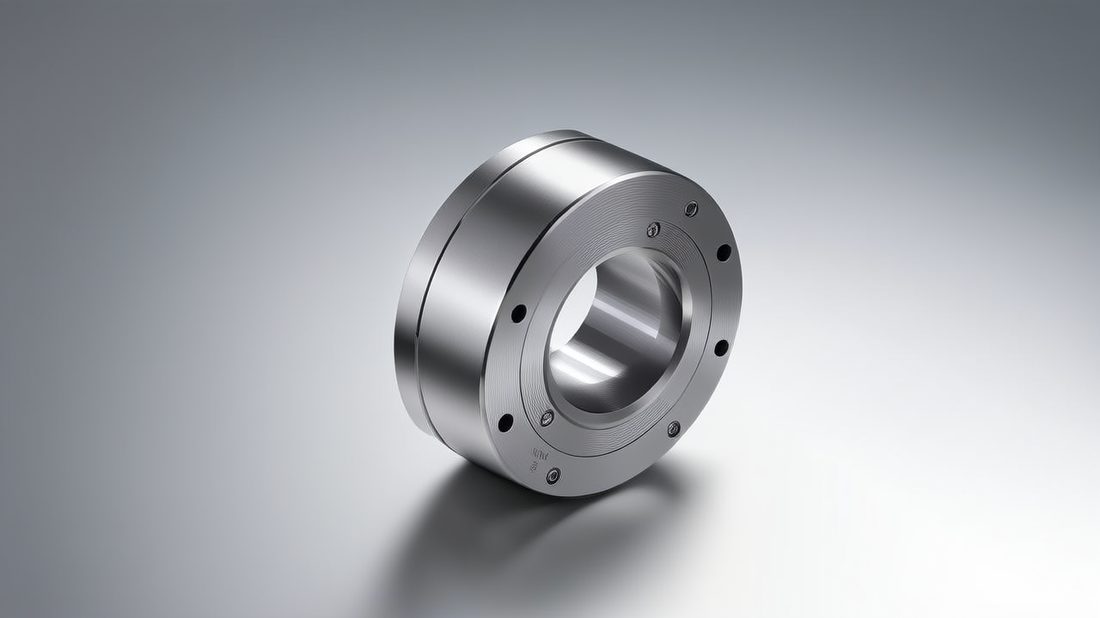
Stainless steel mirror finishing is one of the capabilities that sets medical-grade work apart from general machining. Our standard mirror line reaches Ra 0.6 micrometer, and our top 8K process reaches Ra 0.2 micrometer - a surface smooth enough that cleaning validation becomes straightforward and particle traps disappear.
Ra 0.6 um standard, Ra 0.2 um 8K mirror
Not every feature needs the 8K treatment. We match the finish to the function: sealing faces and fluid paths get the finer numbers, structural features get the standard mirror. Spending the finest finish only where the application earns it keeps your cost sane while meeting the spec that matters.
Electropolishing and passivation
Where the design calls for it, we apply electropolishing and passivation to close the surface and improve corrosion resistance without adding coating thickness that would disturb a press fit. This is part of the stainless steel mirror finishing toolkit we use for medical device components destined for clean, wet, or sterilized environments.
| Surface finish | Typical Ra | Where we apply it |
|---|---|---|
| Standard mirror | Ra 0.6 um | Structural brackets, housings |
| Fine mirror | Ra 0.4 um | Fluid-adjacent features |
| 8K mirror | Ra 0.2 um | Sealing faces, implant-adjacent parts |
| Electropolished | Ra 0.2-0.4 um | Clean, wet or sterilized paths |
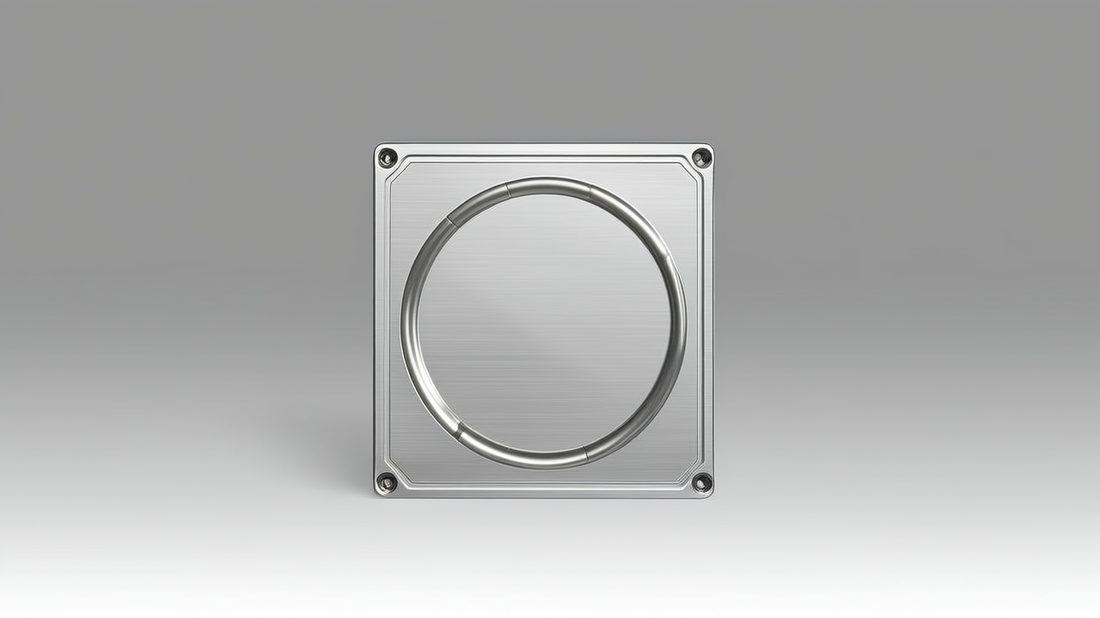
Company AI part image
LusterControl News: Reaching a Quality Certification Milestone
Fifteen years of stainless steel work, now documented for medical buyers.
This LusterControl news is the result of a multi-year build, not a sudden rebrand. We have machined stainless steel in Dongguan since 2015, growing to 60 CNC machines across a 2,000-square-meter floor with monthly output around 500,000 parts. The ISO 13485 quality certification milestone formalizes the medical-grade discipline our appliance and industrial customers already relied on.
15 years, 60 machines, 2,000 sqm
Scale matters for medical buyers because it de-risks supply. A shop that can run both small custom batches and volume production - 500k parts a month - can qualify your prototype and then absorb your production ramp without a second source. That continuity protects your time-to-market.
From ISO 9001 to ISO 13485
We did not start from zero. Our ISO 9001 system was the foundation; ISO 13485 added the medical-specific layers. With IATF 16949 now in application, the same process discipline that serves automotive and aerospace customers reinforces our medical program. You can read more about the company at our about page.
How CNC Precision Machining Supports ISO 13485 Compliance
The certificate is the paperwork; the machining is what earns it.
A quality certification does not machine a part. The reason LusterControl could reach the ISO 13485 milestone is that our CNC precision machining was already capable - the standard simply forced us to document and validate what we were doing. Two capabilities do the heavy lifting for medical device components.
Plus or minus 0.005 mm and batch traceability
We hold positioning accuracy to +/-0.005 mm and tie every batch to its incoming material certificate. For medical geometry - thin-walled shafts, sealed housings, locating features - that tolerance budget is what lets the assembly seat correctly the first time, and the traceability is what lets you prove it later.
Turn-mill compound and 5-axis for medical geometry
Many medical device components are multi-face parts where re-fixturing invites datum shift. Our turn-mill compound and 5-axis centers cut those features in a single setup, which is both a tolerance win and a contamination-control win: fewer touches, fewer chances to introduce a defect. For complex medical housings this is often the deciding factor between a clean first article and a painful rework loop.
Pros
- Single-setup accuracy protects medical tolerances
- Fewer operations means fewer contamination points
- Batch traceability satisfies auditor demands
- Scales from prototype to 500k/month volume
Cons
- 5-axis is not needed for simple flat parts
- Single-setup setup time costs more on very high mix
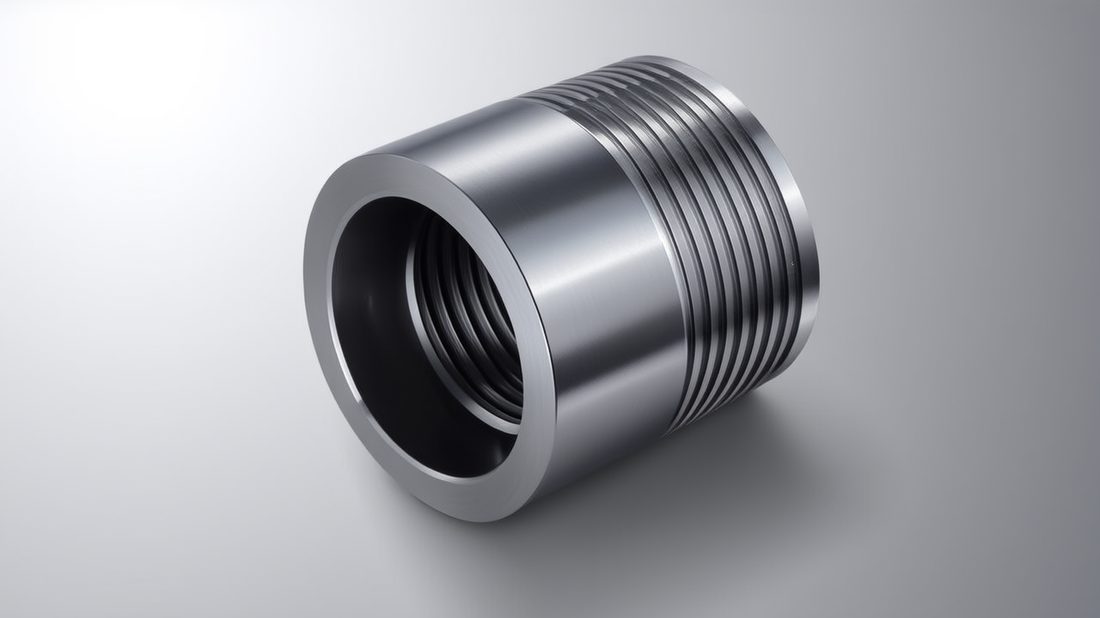
Company AI part image
What Buyers Should Verify About Quality Certification and CNC Precision Machining
Before you issue a purchase order, make the supplier prove the claim.
A logo on an email signature is not a quality certification. The fastest way to separate a real medical CNC machining partner from a broker with a certificate is to ask for the documents and watch how fast they arrive. Below is the verification checklist we are happy to satisfy with data.
Documents to request before the PO
- Current ISO 13485 certificate with your supplier named on it
- Material certificates traceable to the heat lot
- A CMM first-article report with full datum references
- Batch traceability records from raw bar to finished part
- Cleanliness or finish validation for fluid/tissue-contact features
- A documented rework and nonconformance path
Red flags in supplier claims
- Certificate names a parent company but not the machining entity you are buying from
- No material cert, only a photo of the part
- Tolerance quoted without a CMM first-article report
- Refuses to discuss traceability or contamination control
- ISO certified with no specific standard named
| Your requirement | Recommended verification | Why it protects you |
|---|---|---|
| Medical-grade traceability | Per-batch material and process records | Survives notified-body audit |
| Tight tolerance | CMM first-article report | Part matches the qualified drawing |
| Clean surface | Finish validation (Ra measured) | Cleanability and biofilm control |
| Volume ramp | Evidence of 60-machine capacity | Second source not required |
LusterControl News: Our Medical Components Roadmap After ISO 13485
The milestone is a starting line, not a finish line.
Reaching the ISO 13485 quality certification milestone is the foundation for what comes next. We are extending our medical device components program into more surgical-instrument and endoscopic-housing work, deepening our stainless steel mirror finishing capability, and continuing the IATF 16949 application so automotive-grade discipline reinforces the medical line.
For buyers, the practical takeaway is continuity. The same Dongguan source factory that has shipped precision parts to appliance brands such as De'Longhi, Donlim, and Breville - and served 14 industries from automotive to aerospace - now brings that scale and discipline to medical CNC machining under a documented ISO 13485 system. You can follow the program on our blog or start a conversation via our inquiry page.
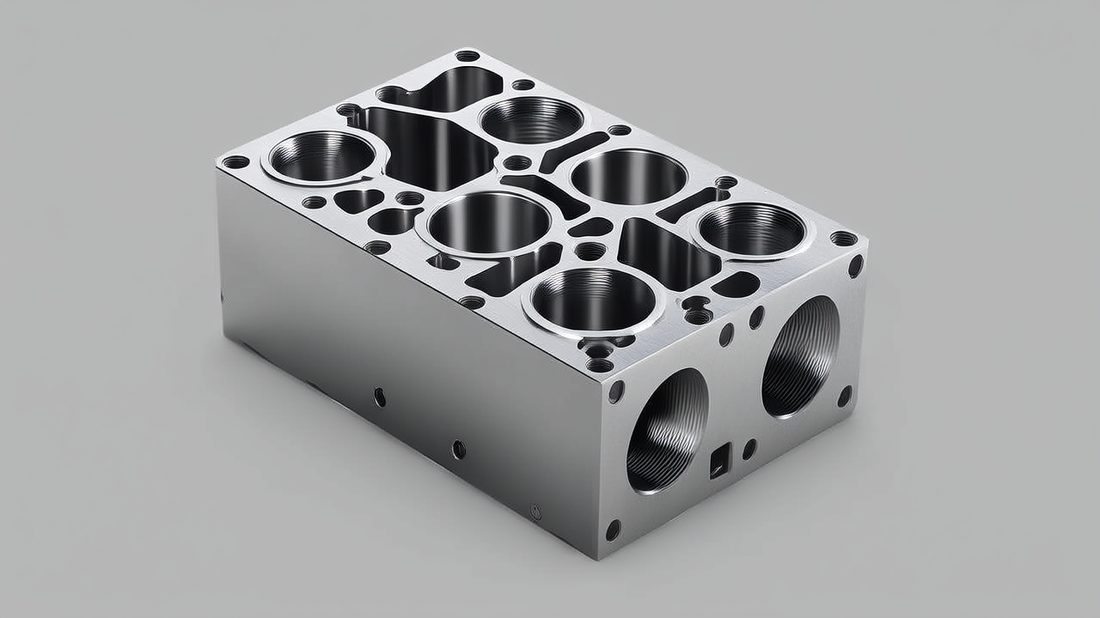
Company AI part image

Company AI part image
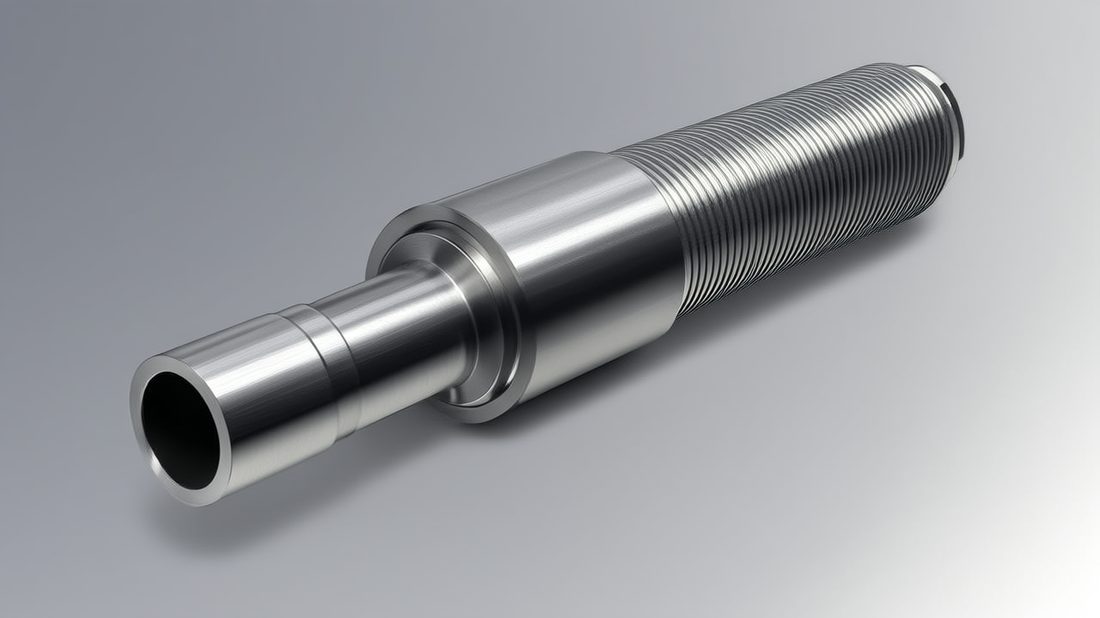
Company AI part image
Company AI part image
Company AI part image
FAQ: LusterControl news & Company Buyer Questions
A: It means our quality management system has been built and validated around medical-device requirements: mandatory batch traceability, contamination controls, and documentation retained for regulatory review. Combined with our existing ISO 9001 certification, it lets medical buyers transfer supply-chain risk back to a documented process.
A: Our standard mirror line reaches Ra 0.6 micrometer, and our top 8K process reaches Ra 0.2 micrometer. Where the design calls for it we add electropolishing and passivation. We match the finish to the function so you pay for the fine surface only where the medical application earns it.
A: We hold positioning accuracy to +/-0.005 mm and tie every batch to its incoming material certificate, with CMM first-article reports and lot-level records from raw bar to finished part. That is the traceability an auditor will ask for first.
A: We serve 14 industries, including automotive and EV, aerospace, robotics, semiconductors, optics, industrial automation, fluid control, energy storage, precision transmission, tooling, and consumer electronics and smart home. Appliance brands such as De'Longhi, Donlim, and Breville have sourced precision parts from our Dongguan factory.
A: We hold ISO 9001 and have completed ISO 13485. IATF 16949 is currently in application. The automotive-grade process discipline from that program reinforces our medical line.
A: Send us your drawing through our inquiry page and our engineering team will run a free DFM review, flagging the features that matter most for ISO 13485 traceability and the surface finishes your medical application actually needs before a chip is cut.
Send us your drawing for a free DFM review. Our engineering team will flag the features that matter most for ISO 13485 traceability and the stainless steel mirror finishing your medical device components actually need - so your first article qualifies the first time.
Request a Free CNC Quote