What Are the Best Materials for Your CNC Parts?
As creators and innovators, we often ask ourselves: what is the best material for our CNC parts? Choosing the right CNC machining material is a fundamental decision that affects everything from the performance and durability of the product to the overall cost and the manufacturing process. This choice defines the essence of the final product, influencing its strength, weight, appearance, and resistance to environmental factors.
I will take you through the exciting world of CNC materials, helping us understand their unique properties and how to apply them to various projects. This comprehensive guide will explore the fundamental principles of material selection, delve into the specifics of common metals and plastics, and provide a clear framework for you to make the decision that best suits your needs.
Let's explore some of the most common and effective materials together, so that you can confidently select the most suitable material for your next batch of CNC parts. After reading this article, you will be equipped to navigate the complexities of material properties and align them perfectly with your project goals.
Key Takeaways
- Understanding CNC Machining: CNC (Computer Numerical Control) machining is a subtractive manufacturing process that uses computer-controlled tools to precisely remove material from a solid workpiece, producing custom parts. Material selection is critical because it directly affects the functionality, durability, and efficiency of the manufacturing process.
- The Critical Role of Material Selection: The material you choose affects the part's performance metrics, such as strength, weight, and hardness. It also determines its resistance to environmental factors such as corrosion and temperature fluctuations. In addition, material selection is a key cost driver for the project, impacting raw material prices as well as machining time and tool wear.
- Core Material Properties: Key characteristics to evaluate include machinability (how easily a material can be cut), strength (tensile and yield), hardness (resistance to surface indentation), weight, corrosion resistance, and thermal stability. A balance of these properties must be achieved to meet the project requirements.
- Common Metals:
- Aluminum (e.g., 6061, 7075): valued for its excellent strength-to-weight ratio, thermal conductivity, and corrosion resistance. 6061 is a versatile and cost-effective workhorse, while 7075 offers superior strength in high-stress applications such as aerospace components.
- Steel (e.g., stainless steel, cold rolled steel, tool steel): offers exceptional strength, durability, and hardness. Stainless steel provides excellent corrosion resistance for medical or food-grade parts, cold rolled steel is an economical choice for general structural parts, and tool steel is used for high-wear components such as dies and molds.
- Brass (e.g., C360): chosen for its outstanding machinability, low friction, corrosion resistance, and attractive golden appearance. It is ideal for decorative items, plumbing fittings, and electrical connectors.
- Versatile Plastics and Wood:
- Engineering plastics (e.g., ABS, nylon, Delrin, PEEK): offer advantages such as light weight, electrical insulation, chemical resistance, and cost-effectiveness. They are easy to machine and suitable for prototypes, insulators, and low-friction components.
- Wood: offers aesthetic appeal for custom furniture, decorative items, and art projects. Hardwoods such as oak and maple are durable, while softer woods and composite materials are also popular.
Efficient CNC Parts Material Fundamentals
Before selecting the best material, it is essential to understand the fundamentals of the manufacturing process and why material selection is so critical. This foundational knowledge enables us to make strategic decisions that align with both the project's technical requirements and its budget.
What Is CNC Machining?
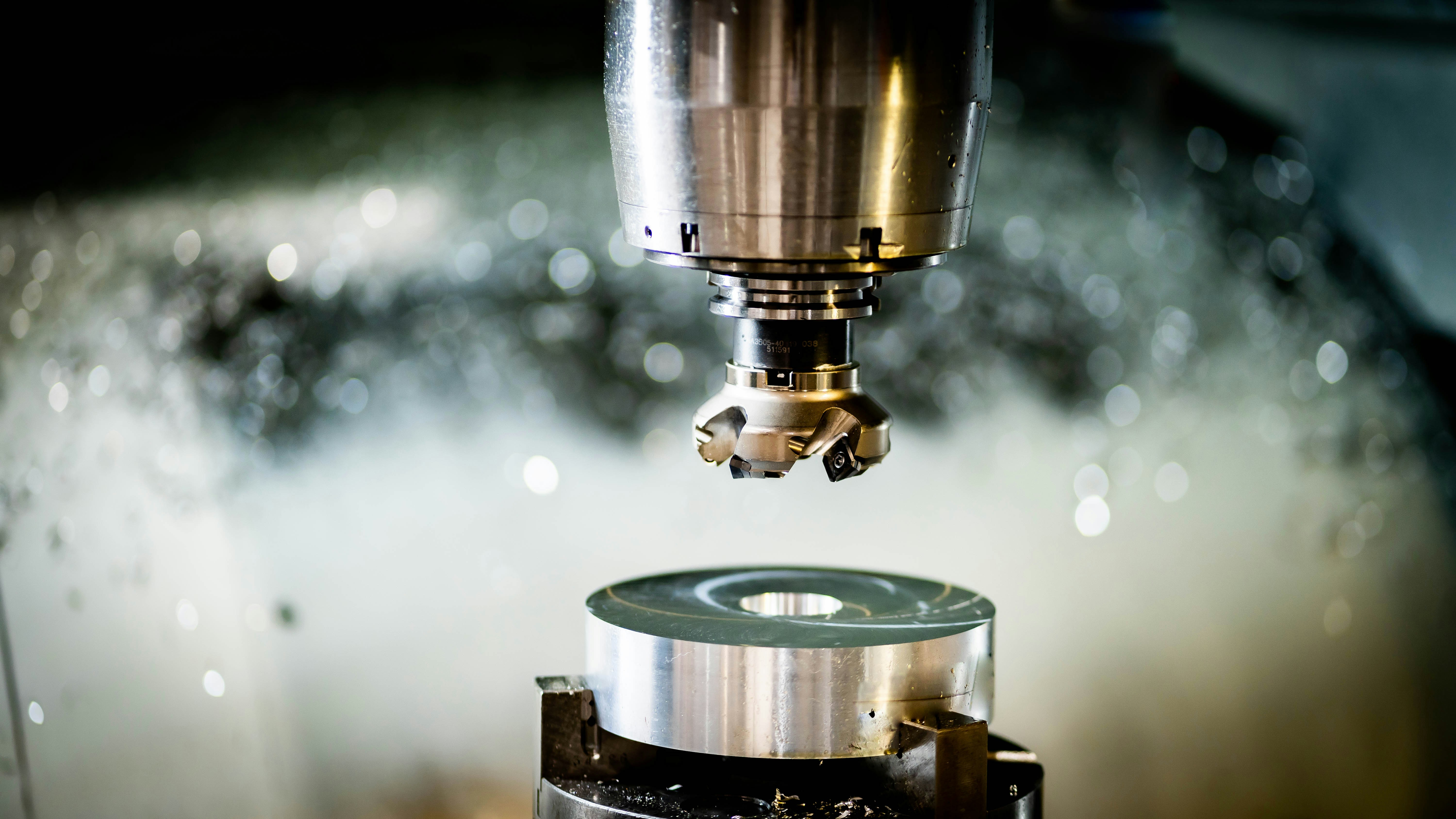
CNC (Computer Numerical Control) machining is a highly automated manufacturing process in which pre-programmed computer software dictates the movement of factory tools and machinery. It is a subtractive manufacturing process, meaning it starts with a solid block of material (called a workpiece or blank) and systematically cuts material away to achieve the desired final shape. This approach contrasts with additive manufacturing (such as 3D printing), which builds objects layer by layer.
The entire process begins with a two-dimensional or three-dimensional digital model created using computer-aided design (CAD) software. This digital blueprint is then processed by computer-aided manufacturing (CAM) software, which translates the design into specific instructions for the CNC machine. These instructions are written in a programming language called G-code.
G-code, or "geometric code," tells the machine everything it needs to know: where to move, how fast, what path to follow, and how deep to cut. Commands like G01 are linear cutting moves, while G00 is rapid positioning without cutting. This detailed code guides the machine's cutting tools (such as mills, drills, and lathes) with extremely high precision to shape a wide range of materials, including metal, plastic, and wood. Automation ensures high accuracy and repeatability, enabling the consistent production of identical parts, which is a significant advantage over manual machining.G01G00
The Critical Role of Material Selection in CNC Parts
The choice of material is arguably one of the most critical decisions in CNC machining. It is a decision made at the intersection of design intent, performance requirements, and manufacturing feasibility. The material you choose has a ripple effect on every subsequent step, from the machining process to the actual performance of the final part.
Impact on Performance and Durability
The structural integrity, mechanical properties, and service life of CNC components are directly tied to the material they are made from. Parts designed for high-stress aerospace applications require materials with exceptional strength and fatigue resistance, whereas such properties would be excessive and cost-prohibitive for a simple consumer electronics enclosure.
Key performance metrics affected by material selection include:
- Strength and Hardness: A material's ability to resist deformation under load (strength) and to resist surface scratches or indentation (hardness) is fundamental. High-strength alloys ensure that components maintain their shape and integrity under mechanical stress, preventing failure.
- Weight: In industries such as aerospace and automotive, the strength-to-weight ratio is a critical concern. Lighter components can improve fuel efficiency and overall performance.
- Durability and Wear Resistance: For components subjected to friction or repeated motion, such as gears or bearings, materials with high wear resistance are essential for durability.
- Environmental Resistance: The operating environment of a part demands resistance to corrosion, chemicals, UV radiation, and extreme temperatures. Parts used in marine environments must be made of corrosion-resistant materials, such as stainless steel or certain plastics, to prevent premature failure.
Choosing the wrong material can lead to catastrophic failure, such as parts deforming under load, fatigue cracking, or degradation due to environmental exposure.
Cost Management and Manufacturing Speed
The economics of CNC machining involve a careful balance between raw material cost and the expenses incurred during the manufacturing process. An inexpensive material may be difficult to machine, significantly driving up the total cost.
Key economic factors to consider include:
- Raw Material Cost: This is the upfront price per pound or per kilogram of material. Prices vary widely, from reasonably priced aluminum alloys and plastics to expensive high-performance metals such as titanium or PEEK.
- Machinability: This property describes how easily a material can be cut, directly affecting manufacturing speed and cost. Materials with high machinability, such as aluminum 6061 or brass, can be cut faster, shortening cycle times and lowering hourly machine costs. Conversely, materials with low machinability, such as stainless steel or titanium, require slower cutting speeds and longer machining times.
- Tool Wear: Harder, more abrasive materials wear cutting tools faster. This adds cost in two ways: the direct cost of replacing expensive tools and the indirect cost of machine downtime required for tool changes. Tooling costs may account for 3–5% of total production expenses, but their impact is greater, affecting quality and delivery speed.
- Post-Processing: Some materials can achieve the desired surface finish directly from the machine, while others may require additional steps such as deburring, polishing, or anodizing, adding to the overall cost and production time.
A sound economic decision should consider the total cost of the finished part, not just the initial material price. Sometimes, investing more in a material with high machinability can save money in the long run by reducing machine time and tooling costs.
Key Characteristics We Focus On
When evaluating CNC part materials, we focus on a specific set of mechanical, chemical, and physical properties. Understanding these characteristics allows us to systematically match materials to the functional requirements of the design.
Strength, Weight, and Hardness
These three properties are essential for understanding the mechanical behavior of a material.
-
Strength: In engineering, "strength" is broken down into more specific terms:
- Tensile Strength (or Ultimate Tensile Strength, UTS): This is the maximum pulling force a material can withstand before it begins to fail or break. It is the absolute peak force a material can bear under tension.
- Yield Strength: This is the stress at which a material begins to permanently deform (plastic deformation). Before this point, the material is in its "elastic region," and it will return to its original shape if the load is removed. For structural components, yield strength is usually a more critical design parameter than tensile strength, because you do not want a part to bend permanently under normal operating loads.
-
Weight (Density): The mass of material per unit volume. For weight-critical applications, such as aerospace, automotive, or robotics, designers typically evaluate materials based on their strength-to-weight ratio. Materials with a high strength-to-weight ratio, such as titanium or advanced aluminum alloys, provide high strength with minimal mass. For example, titanium has a tensile strength exceeding 130 ksi, yet its density is only 60% that of steel.
-
Hardness: This is a measure of a material's resistance to localized surface deformation, such as scratching, abrasion, or indentation. It is typically measured using the Rockwell hardness test, in which an indenter is pressed into the material's surface under a specific load. Harder materials are more resistant to surface wear, which is especially important for components such as gears, bearings, and cutting tools. However, very hard materials can sometimes become brittle, meaning they may fracture rather than bend under impact.
Corrosion Resistance and Thermal Properties
The operating environment is an important factor in material selection. A part's ability to withstand chemical exposure and temperature variations is critical to its durability and performance.
-
Corrosion Resistance: Corrosion is the process by which a material is gradually degraded by its environment through chemical or electrochemical reactions. For parts exposed to moisture, salt water, or aggressive chemicals, choosing a corrosion-resistant material is non-negotiable.
- Metals: Stainless steel (especially grades 316 and 17-4 PH), aluminum alloys (especially the 5000 and 6000 series), titanium, and certain copper alloys are renowned for their superior resistance to rust and chemical corrosion. Grade 316 stainless steel, with its added molybdenum, is the standard choice for marine applications.
- Plastics: Many polymers are naturally resistant to a wide range of chemicals. PTFE (Teflon), PEEK, and PVDF (Kynar) offer outstanding resistance to acids, bases, and solvents, making them ideal for components in chemical processing or medical devices.
-
Thermal Properties:
- Thermal Conductivity: This measures a material's ability to conduct heat. Materials with high thermal conductivity, such as aluminum and copper, are ideal for applications requiring heat dissipation, such as heat sinks or engine components. Materials with low thermal conductivity, such as plastics and stainless steel, act as insulators. This property is also important during machining, because low-conductivity materials trap heat in the cutting zone, potentially affecting part accuracy and increasing tool wear.
- Coefficient of Thermal Expansion (CTE): This property describes how much a material's dimensions change with temperature. Materials with a high CTE, such as many plastics and aluminum, expand and contract far more than materials with a low CTE, such as steel or ceramics. This is especially important in designs with tight tolerances or in assemblies of dissimilar materials, where differing expansion rates can induce stress, leading to part failure or misalignment.
Machinability and Tool Wear
Machinability is a term used to describe how easily a material can be cut, drilled, or shaped by machine tools. This property is not a fundamental property like density, but rather a practical metric with a profound impact on the manufacturing process.
-
Machinability Rating: Materials are typically compared using a machinability rating. This is a percentage rating, typically with a baseline of 100% assigned to a reference material (usually free-machining 1212 or B1112 steel). Materials rated above 100% are easier to machine, while those rated below 100% are more difficult.
- High Machinability (Rating >100%): Brass C360 (typically rated at or above 100%), Delrin, and aluminum 6061 (approximately 90–270% depending on the scale) are known for their exceptional machinability. They allow high cutting speeds, consume less power, and achieve good surface finishes.
- Low Machinability (Rating <50%): Materials such as stainless steel 304 (approximately 45%), titanium (20–25%), and high-temperature nickel alloys such as Inconel (10–15%) are extremely difficult to machine.
-
Impact on Tool Wear: Tool wear refers to the gradual deterioration of cutting tools due to friction, heat, and pressure during machining. The workpiece material is the primary factor influencing the rate of tool wear.
- Hardness and Abrasiveness: Harder, more abrasive materials, or those containing hard inclusions (such as carbides in steel), accelerate tool wear. Costs increase due to frequent tool changes and machine downtime.
- Chemical Reactivity: At high temperatures, certain materials can react chemically with the tool, causing diffusion wear or adhesion (workpiece material sticking to the tool, forming a "built-up edge").
- Thermal Conductivity: As mentioned earlier, materials with low thermal conductivity trap heat in the cutting zone. This intense heat can soften the cutting tool, accelerating wear and shortening its effective life. Machining tough materials such as titanium alloys and stainless steel typically requires slower speeds and dedicated coolants to manage heat and protect the tool.
Choosing a material that is easy to machine can significantly reduce production costs by shortening cycle times and extending the service life of expensive cutting tools.
Choosing Metals: Aluminum, Steel, and Brass for CNC Parts
Metals are the cornerstone of CNC machining, prized for their strength, durability, and wide range of physical properties. Among the many metals available, aluminum, steel, and brass are the most common and versatile choices for a broad range of applications.
Lightweight and Versatile: Aluminum CNC Parts
Aluminum is highly popular in CNC machining thanks to its unique combination of excellent properties. It is the preferred material for components ranging from aerospace to consumer electronics, because it skillfully balances performance, cost, and manufacturing feasibility.
Advantages of Aluminum (Light Weight, Thermal Conductivity, Affordability)
Aluminum's popularity stems from its many advantages, which make it an ideal choice for CNC machining:
- Exceptional Strength-to-Weight Ratio: Aluminum is extremely lightweight, with a density about one-third that of steel. This makes it indispensable in industries such as aerospace and automotive, where weight reduction is critical to improving fuel efficiency and performance.
- High Machinability: Aluminum is one of the easiest metals to machine. It allows high-speed cutting, which shortens machining time and thereby lowers production costs. Tool life is longer and less power is consumed during cutting.
- Excellent Thermal Conductivity: Aluminum conducts heat extremely well, a property that is advantageous both during and after machining. During machining, it helps dissipate heat from the cutting zone, reducing tool wear and preventing thermal damage to the part. In practical applications, aluminum is ideal for components such as heat sinks and engine parts.
- Natural Corrosion Resistance: When aluminum is exposed to air, a thin, dense, and tough layer of aluminum oxide forms on its surface. This passive layer protects the underlying metal from further oxidation and corrosion, making it suitable for parts exposed to moisture or certain chemicals without the need for additional coating.
- Cost-Effectiveness and Recyclability: Compared with other high-performance metals, aluminum's raw material cost is relatively low. Combined with its ease of machining, this makes it an economical choice. In addition, aluminum is highly recyclable and can be reused repeatedly without losing its inherent properties, adding to its sustainability.
Common Aluminum Alloys for CNC Parts (e.g., 6061, 7075)
While pure aluminum is soft, it can be alloyed with other elements to form alloys with a range of enhanced properties. The two most prominent aluminum alloys in CNC machining are 6061 and 7075.
-
Aluminum 6061: It is the most popular and versatile aluminum alloy and is often regarded as the "workhorse" of CNC machining. 6061 is primarily alloyed with magnesium and silicon, striking an excellent balance between good strength, exceptional machinability, high corrosion resistance, and excellent weldability. Its T6 temper (solution heat-treated and artificially aged) significantly enhances its strength. Thanks to its well-rounded properties and low cost, 6061-T6 is the default choice for general-purpose applications, including structural components, electronics enclosures, brackets, and bicycle frames.
-
Aluminum 7075: Renowned for its exceptional strength, 7075 is an aerospace-grade alloy with zinc as its primary alloying element. In the T6 temper, 7075's tensile strength is comparable to that of many common steels, yet it weighs only one-third as much. This makes it the preferred material for high-stress structural components where the strength-to-weight ratio is paramount. However, this superior strength comes with trade-offs: 7075 is more expensive, has lower corrosion resistance (usually requiring anodizing or protective coatings), and is generally not recommended for welding, as it can become brittle and lose strength in the heat-affected zone.
Here is a comparison of these two common alloys:
| Property | Aluminum 6061-T6 | Aluminum 7075-T6 |
|---|---|---|
| Primary Alloying Elements | Magnesium, silicon | Zinc, magnesium, copper |
| Tensile Strength (Typical) | ~310 MPa (45 ksi) | ~572 MPa (83 ksi) |
| Machinability | Excellent | Good, but harder than 6061 |
| Corrosion Resistance | Very good | Moderate (often coated) |
| Weldability | Very good | Poor (not recommended) |
| Relative Cost | Low | High |
| Common Applications | General parts, frames, housings | High-stress aerospace components |
Aerospace and Automotive Examples
The unique properties of aluminum alloys make them indispensable in both the aerospace and automotive industries.
-
The Aerospace Industry: The primary driver in aerospace is minimizing weight to maximize payload and fuel efficiency. Aluminum's high strength-to-weight ratio makes it the obvious choice for many components.
- Structural Components: CNC machining is used to produce critical components such as wing ribs, fuselage frames, bulkheads, and beams, using high-strength alloys such as 7075 and 2024.
- Engines and Landing Gear: Parts requiring high precision and durability, such as engine components, hydraulic manifolds, and landing gear components, are often machined from aluminum.
- Avionics and Enclosures: Aluminum's thermal conductivity and light weight make it ideal for electronics enclosures and avionics housings, which protect sensitive equipment and dissipate heat.
-
The Automotive Industry: In the automotive sector, the pursuit of fuel efficiency and performance has driven the increased use of aluminum.
- Engines and Powertrains: CNC-machined aluminum parts are common in engines, including engine blocks, cylinder heads, and intake manifolds.
- Chassis and Suspension Systems: The material's light weight is leveraged in chassis frames and suspension components such as control arms and wheels, reducing unsprung mass and improving handling.
- Electric Vehicles (EVs): Aluminum is critical in electric vehicles, used to create lightweight battery enclosures and structural components that help offset the weight of the battery pack and extend vehicle range.
- Strong and Durable: Steel Alloys for CNC Parts
When the design demands uncompromising strength, hardness, and durability, steel alloys are the material of choice. While steel is denser and generally more difficult to machine, it offers superior mechanical properties that are essential for high-load, high-wear applications. The broad family of steel alloys can be broadly divided into stainless steels, carbon/alloy steels, and specialized tool steels.
Stainless Steel: Unmatched Durability for Critical CNC Parts
Stainless steel is an iron-based alloy containing at least 10.5% chromium, which forms a passive, self-healing oxide layer that provides its signature "stainless" quality and corrosion resistance. This makes it an ideal material for durable parts in demanding environments. Austenitic stainless steels, particularly the 300 series, are the most common materials in CNC machining.
-
Grade 303: This grade is often referred to as "free-machining" stainless steel. It contains added sulfur (and sometimes selenium), which acts as a chip breaker during cutting. This results in small, manageable chips rather than long, stringy ones, significantly improving machinability, enabling faster cutting speeds and better surface finishes. Thanks to its excellent machinability, 303 is the preferred choice for complex, high-volume parts such as shafts, gears, fasteners (nuts and bolts), and electrical components. This ease of machining comes at the cost of slightly lower corrosion resistance compared with other grades in the 300 series.
-
Grade 304: This is the most widely used stainless steel in the world, offering an excellent balance of strength, formability, and corrosion resistance. It has strong resistance to atmospheric corrosion and many organic and inorganic chemicals. However, it is more difficult to machine than 303 because it work-hardens readily and produces gummy chips. Common applications for CNC-machined 304 parts include kitchen and food processing equipment, automotive exhaust components, and architectural trim.
-
Grade 316/316L: For superior corrosion resistance, especially against chlorides and acids, Grade 316 is the preferred choice. The key difference from 304 is the addition of molybdenum (typically 2–3%), which greatly enhances its resistance to pitting and crevice corrosion. This makes 316 indispensable for parts used in marine environments, chemical processing, and medical and pharmaceutical equipment. While its mechanical properties are similar to 304, the molybdenum content makes it tougher and more difficult to machine. The "L" variant (316L) has a lower carbon content, improving weldability by reducing harmful carbide precipitation.

Cold Rolled Steel: Economical Strength for General CNC Parts
Cold rolled steel refers to steel that has been processed at or near room temperature. This process contrasts with hot rolling, where steel is shaped at very high temperatures. The "cold" processing method imparts several distinct characteristics that make it a valuable material for many CNC machining applications. It is a highly economical option when you need good strength without the specialized properties (and higher cost) of stainless or tool steels.
One of the most common grades is 1018 steel, a low-carbon mild steel known for its excellent balance of properties. The cold rolling process makes it up to 20% stronger than its hot-rolled counterpart.
Key characteristics and benefits include:
- Good Machinability: 1018 cold rolled steel has very good machinability, with a rating around 78%. Its consistency and hardness allow for predictable chip formation and less tool wear compared to higher-carbon steels.
- Superior Surface Finish and Tolerances: The cold rolling process produces a smooth, clean, and often bright surface that is free of the rough scale found on hot rolled steel. It also allows for much tighter and more consistent dimensional tolerances, which is a significant advantage for precision machined parts.
- Strength and Ductility: Cold rolled 1018 offers a good combination of strength (tensile strength around 440 MPa) and ductility. While the cold working process increases strength and hardness, it remains formable and is renowned for its excellent weldability.
- Cost-Effective: As a widely available mild steel, 1018 is one of the most affordable options for CNC machining. This makes it an ideal choice for general-purpose structural parts, brackets, mounting plates, pins, shafts, and fixtures where extreme strength or corrosion resistance is not the primary requirement.
Because of its poor corrosion resistance, parts made from cold rolled steel are almost always in-service applications and are often painted, plated, or otherwise coated for protection.
Specialized Tool Steels for Precision CNC Parts
Tool steels are a class of high-carbon alloy steels specifically engineered for exceptional hardness, wear resistance, and the ability to hold a sharp edge, even at elevated temperatures. While they are named for their primary use in making cutting tools, dies, and molds, they are also machined into high-performance components that must endure extreme stress, impact, or abrasion.
Machining tool steels is challenging due to their inherent hardness and low machinability ratings, requiring rigid machines, specialized cutting tools, and slower speeds. However, for applications where no other material can survive, they are indispensable.
-
A2 Tool Steel: This is a versatile, air-hardening, cold-work tool steel that offers an excellent balance of wear resistance and toughness. It contains chromium and molybdenum, which allow it to be hardened by cooling in air, a process that results in minimal distortion and excellent dimensional stability after heat treatment. This makes A2 a preferred choice for complex parts with tight tolerances. It can be heat-treated to a hardness of about 57-62 HRC.
- Applications: Common CNC-machined parts from A2 include stamping and forming dies, punches, shear blades, and industrial gauges.
-
D2 Tool Steel: Known for its high carbon and high chromium content, D2 is a cold-work tool steel renowned for its exceptional wear and abrasion resistance. It can be heat-treated to a hardness of 58-64 HRC, allowing it to maintain a sharp edge under prolonged use. While its wear resistance is superior to A2's, it comes at the cost of being less tough and more brittle, making it more susceptible to chipping under heavy impact. Its high chromium content also gives it mild corrosion resistance.
- Applications: D2 is ideal for CNC parts that function as cutting tools, such as industrial knives and slitters, as well as high-wear forming rolls and dies.
The Allure of Brass for Aesthetic and Functional CNC Parts
Brass, an alloy of copper and zinc, holds a special place in CNC machining for its unique combination of superb machinability, aesthetic appeal, and functional properties. When a part requires a beautiful finish, good corrosion resistance, and low-friction characteristics, brass is often the perfect candidate.
Properties of Brass (Appearance, Ductility, Conductive)
Brass is distinguished by a set of highly desirable properties:
- Exceptional Machinability: Brass, particularly C360 (Free-Cutting Brass), is the benchmark for machinability, often assigned a rating of 100%. The small amount of lead in this alloy (around 3%) causes chips to break off into small, clean pieces. This leads to minimal tool wear, allows for very high cutting speeds, and results in an excellent surface finish straight off the machine. Some studies suggest brass can be machined up to 20 times faster than other materials, drastically reducing cycle times.
- Aesthetic Appearance: With its bright, gold-like shine, brass is a popular choice for decorative and cosmetic parts. It can be easily polished to a mirror finish or used as-is for a premium look on consumer products, musical instruments, and architectural hardware.
- Good Corrosion Resistance: Like its parent metal copper, brass exhibits good resistance to corrosion from water and many chemicals, though it is not suitable for saltwater environments where it can suffer from dezincification.
- Low Friction and Wear Resistance: Brass has natural lubricity, making it an excellent material for low-friction applications such as bearings, bushings, and gears.
- Electrical and Thermal Conductivity: While not as conductive as pure copper, brass offers good electrical and thermal conductivity, making it suitable for electrical connectors, terminals, and fittings.
When to Choose Brass for Our CNC Parts (Decorative, Precision)
The decision to use brass is often driven by a need for either aesthetic quality or specific functional performance, and sometimes both.
-
For Decorative Parts: When the visual appeal of a part is paramount, brass is a top contender. Its warm, golden color gives a high-end feel that is difficult to replicate with other common metals. It is frequently used for:
- Custom knobs, handles, and hardware
- Bezels and enclosures for consumer electronics
- Components for light fixtures and high-end plumbing
- Parts for musical instruments
-
For Functional and Precision Parts: The combination of excellent machinability, dimensional stability, and low friction makes brass ideal for small, complex, and high-precision components.
- Electrical Fittings and Connectors: Its conductivity and ease of creating precise threads make it perfect for electrical terminals and threaded connectors.
- Plumbing and Fluid Fittings: Brass fittings have been a standard for decades due to their durability, corrosion resistance, and ability to form leak-proof seals.
- Bearings, Bushings, and Gears: For mechanical assemblies that require low-friction moving parts, brass is an economical and reliable choice.
Because brass cuts so cleanly and predictably, it is one of the best materials for holding tight tolerances on small features, making it a favorite for high-volume, high-precision production runs.
Expanding Our Horizons: Plastics and Other Materials for CNC Parts
While metals form the backbone of many CNC applications, the world of machinable materials extends far beyond them. Engineering plastics and even wood offer unique properties that make them the ideal choice for a wide range of projects, from functional prototypes and insulating components to artistic and decorative pieces.
The Practicality of Plastics for CNC Parts
Plastics have become an indispensable category of materials for CNC machining. They are generally lightweight, corrosion-resistant, and cost-effective, and they offer properties that metals cannot, such as electrical insulation and inherent color. The ease with which most plastics can be machined makes them perfect for rapid prototyping and production runs of functional parts.
Common Engineering Plastics (ABS, Nylon, Delrin)
A host of engineering plastics are available for CNC machining, each offering a distinct profile of properties. Some of the most frequently used include:
-
ABS (Acrylonitrile Butadiene Styrene): This is a very common and low-cost thermoplastic known for its excellent impact resistance, structural strength, and stiffness. It's easy to machine and can be finished to a high aesthetic quality. ABS is widely used for prototypes, consumer electronic enclosures, and automotive interior parts. However, it has poor resistance to UV light and certain solvents, making it best for indoor applications.
-
Nylon (Polyamide, PA): Nylon is valued for its exceptional toughness, high wear resistance, and good chemical resistance. It's often used for functional moving parts that experience friction and wear, such as bearings, gears, and wear pads. A key consideration with nylon is its tendency to absorb moisture, which can cause it to swell and change dimensionally, making it less suitable for humid environments or applications requiring very tight tolerances.
-
Delrin® (Acetal, POM): Delrin is a high-performance thermoplastic that shines in applications requiring high stiffness, low friction, excellent dimensional stability, and high precision. It is known for being exceptionally easy to machine, often compared to free-cutting brass. Unlike nylon, Delrin has very low moisture absorption, so its properties and dimensions remain stable even in wet or humid conditions. This makes it a superior choice for precision mechanical parts like gears, bushings, rollers, and components for fluid handling.
-
PEEK (Polyether Ether Ketone): PEEK is a high-performance, semi-crystalline thermoplastic at the top of the polymer pyramid. It is prized for its ability to retain outstanding mechanical strength, chemical resistance, and dimensional stability at extremely high temperatures (up to 250°C continuous use). Because of its remarkable properties, PEEK is often used as a lightweight replacement for metals in demanding aerospace, medical, and industrial applications. While its performance is exceptional, it is also one of the most expensive plastics to machine.
| Plastic | Key Strengths | Common CNC Applications |
|---|---|---|
| ABS | Cost-effective, high impact strength, good aesthetics | Prototypes, electronic housings, automotive trim |
| Nylon (PA) | Toughness, wear resistance, chemical resistance | Gears, bearings, wear pads, flexible parts |
| Delrin (POM) | High stiffness, low friction, excellent dimensional stability, low moisture absorption | Precision gears, bushings, rollers, fluid parts |
| PEEK | Extreme heat resistance, chemical resistance, high strength | Aerospace components, medical implants, semiconductor parts |
Benefits (Machinability, Cost, Insulation)
Machining plastics offers several overarching benefits that make them an attractive alternative to metals:
- Excellent Machinability: Most plastics are significantly easier and faster to machine than metals, leading to shorter production times and lower manufacturing costs.
- Cost-Effectiveness: The raw material cost for many common plastics, like ABS and Nylon, is substantially lower than for metals.
- Lightweight: Plastics are a fraction of the weight of metals, making them ideal for applications aiming to reduce mass.
- Electrical and Thermal Insulation: Unlike metals, most plastics are excellent electrical insulators, a critical property for electronic enclosures and components. They are also generally poor thermal conductors, making them useful for thermal insulating parts.
- Inherent Color and Corrosion Resistance: Plastics are naturally resistant to the type of corrosion that affects metals (rust). They can also be produced in a wide variety of colors, eliminating the need for painting or secondary finishing.
Wood: Artistic Freedom for Unique CNC Parts
CNC technology has revolutionized woodworking, allowing for the creation of incredibly intricate, precise, and repeatable designs that would be difficult or impossible to achieve by hand. The warm, organic feel of wood offers a unique aesthetic that metals and plastics cannot match, making it a prized material for everything from custom furniture to fine art.
Applications and Aesthetics
The choice of wood for a CNC project depends on the desired balance of durability, machinability, and visual appeal. Different woods offer a wide spectrum of colors, grain patterns, and textures.
-
Hardwoods: These woods come from deciduous trees (which lose their leaves annually) and are generally denser, stronger, and more durable. Their high density allows them to hold fine details very well, making them ideal for intricate carvings, high-quality furniture, and decorative items that need to last. The tight grain structure results in a clean cut and a smooth finish. However, their density also makes them more challenging and time-consuming to machine. Common hardwoods for CNC machining include:
- Oak: Known for its prominent grain and excellent durability.
- Maple: A very hard, dense wood with a fine, subtle grain that provides a smooth, clean finish.
- Walnut: Prized for its rich, dark color and beautiful grain patterns.
- Cherry: A versatile wood that is relatively easy to machine and deepens to a rich reddish-brown color over time.
- Birch: A light-colored, chip-resistant hardwood that finishes well.
-
Softwoods: Sourced from coniferous (evergreen) trees, softwoods are typically less dense, lighter, and easier to machine than hardwoods. This makes them a more economical and faster option for many projects. However, their softer nature means they are more prone to dents and may not hold ultra-fine details as crisply as hardwoods. Examples include:
- Pine: Lightweight and easy to cut, but can have knots that disrupt machining.
- Cedar: Naturally resistant to weather and decay, making it great for outdoor projects like signs and furniture.
-
Engineered Woods: These are man-made products like Plywood and Medium-Density Fiberboard (MDF).
- Plywood (especially Baltic Birch): Composed of thin layers of wood veneer, premium plywood offers excellent stability and strength. Baltic birch is favored for its void-free core and consistent thickness, making it easy to machine cleanly.
- MDF: An engineered material made from wood fibers, wax, and resin. MDF is extremely uniform, has no grain, and provides a perfectly smooth surface for painting. It is very easy to machine but can create a lot of fine dust and is susceptible to moisture.
CNC machining unlocks limitless creative potential with wood, enabling the production of custom cabinetry with intricate details, personalized signs with carved lettering, artistic relief sculptures, complex architectural elements, and bespoke furniture. The natural beauty of the wood's grain, combined with the precision of CNC technology, results in parts that are both functional and works of art.
Making the Best Decision: A Guide to Choosing Materials for Your CNC Parts
Selecting the right material is a strategic process that requires balancing the demands of the design, the constraints of the manufacturing process, and the realities of the budget. There is rarely a single "best" material, but rather an optimal material for a specific application. This section provides a framework to help you navigate these choices systematically.
Matching Material Properties to Project Needs
The first step is to clearly define what the part needs to do and the environment it will live in. This involves a thorough analysis of the functional and environmental requirements.
Considering Weight, Strength, and Rigidity
The anlaysis of a part's mechanical requirements is a balancing act between three critical properties:
-
Weight: How heavy can the part be? In aerospace, automotive, or robotics, minimizing weight is often a primary goal to improve efficiency and performance. This calls for materials with a high strength-to-weight ratio, like aluminum, titanium, or high-performance plastics. For stationary industrial machinery, weight is usually less of a concern, allowing for the use of denser, lower-cost materials like steel.
-
Strength: What loads must the part withstand without permanently deforming (yield strength) or breaking (tensile strength)? A structural bracket holding a heavy motor requires a high-strength material like steel or 7075 aluminum. A decorative cover, on the other hand, has minimal strength requirements, allowing for a wider range of lighter or more aesthetic materials.
-
Rigidity (Stiffness): How much can the part flex or deform under a load before it reaches its yield point? Rigidity is determined by a material's Young's Modulus. For parts that must maintain precise alignment or resist vibration—such as machine tool frames, optical mounts, or high-precision shafts—rigidity is often more important than absolute strength. Steel is significantly more rigid than aluminum, meaning for a given geometry, an aluminum part will flex about three times more than a steel part under the same load. If a part cannot be allowed to bend, a high-modulus material like steel is the better choice, even if a high-strength aluminum could handle the load without breaking.
Environmental Exposure (Moisture, Chemicals, Temperature)
A part's performance is not judged in a vacuum; it is defined by how well it holds up in its intended operational environment. Exposure to the elements can rapidly degrade an improperly selected material.
-
Moisture and Chemical Exposure: This is a primary driver for choosing corrosion-resistant materials.
- Marine/Saltwater Environments: Constant exposure to salt spray and moisture is highly corrosive. Stainless Steel 316L, Titanium, and Aluminum 5052 are standard metal choices. Among plastics, UHMW PE and HDPE are excellent due to their low moisture absorption and chemical inertness.
- Chemical Processing: For parts that will come into contact with acids, bases, or solvents, material selection is critical. High-performance plastics like PEEK, PTFE (Teflon), and PVDF offer broad chemical resistance. For metals, Titanium and specialized stainless steels or nickel alloys are often required.
-
Temperature Extremes:
- High-Temperature Environments: For parts that will operate continuously at high temperatures, such as in engines, exhaust systems, or industrial furnaces, heat-resistant materials are essential. High-performance metals like Inconel, Titanium, and certain Tool Steels (e.g., H13) retain their strength at temperatures where aluminum and plastics would fail. For plastics, PEEK and PEI (Ultem) are top choices, capable of withstanding continuous use temperatures well above 150°C.
- Thermal Cycling: Environments with rapid temperature swings can cause materials to expand and contract repeatedly, inducing fatigue. Materials with low coefficients of thermal expansion and good thermal stability are crucial here.
-
UV Exposure: For parts used outdoors, resistance to ultraviolet (UV) radiation from sunlight is key. Many plastics can become brittle, discolor, or lose their mechanical properties with long-term UV exposure.
- UV-Resistant Plastics: Materials like Acrylic (PMMA), which is inherently UV resistant, and stabilized grades of Polycarbonate (PC) and ASA are designed specifically for outdoor applications.
Economic and Manufacturing Considerations for CNC Parts
Beyond functional requirements, the choice of material is heavily influenced by economic and manufacturing realities. A material may be technically perfect for a part, but if it is too expensive to procure or too difficult to machine, the project may not be viable.
Raw Material Cost vs. Machining Costs
A common pitfall in material selection is focusing solely on the raw material cost per kilogram or pound. While this is a component of the final price, it is often not the dominant factor. The total cost of a machined part is a function of material cost, machine time, labor, tooling, and finishing.
There is a critical trade-off between the material's purchase price and the cost to machine it:
-
Cheap Material, Expensive Machining: A material that is inexpensive to buy but has poor machinability (like some tough stainless steels or titanium) will require longer cycle times, more frequent and expensive tool changes, and more operator oversight. The savings on the raw material can be quickly erased by the high hourly cost of running the CNC machine.
-
Expensive Material, Cheap Machining: Conversely, a material that has a higher upfront cost but machines very easily (like aluminum 6061 or brass C360) can result in a lower total part cost. The ability to run the machine at faster speeds with less tool wear significantly reduces the most expensive component of the cost equation: machine time. For example, while aluminum costs more per kilogram than steel, it can be machined 3-5 times faster, often resulting in a 20-50% lower total finished part cost.
A holistic view, often called Total Cost of Ownership (TCO), is essential. This approach considers all costs associated with producing the part, not just the "sticker price" of the material.
Impact of Machinability on Production Time and Tooling
Machinability is arguably the most important property from a manufacturing cost perspective. It has a direct and significant impact on both production speed and tooling expenses.
-
Production Time: The machinability rating of a material dictates the cutting speeds and feed rates a machine can use.
- High Machinability: Materials like aluminum and brass allow for aggressive cutting parameters. Higher spindle speeds and faster feed rates mean the cutting tool can remove material more quickly, leading to a shorter cycle time for each part. In high-volume production, even a small reduction in cycle time per part can lead to substantial savings in machine time and labor.
- Low Machinability: Tough materials like titanium or Inconel force machinists to use slow cutting speeds and shallow cuts to manage heat and cutting forces. This dramatically increases the cycle time and, therefore, the cost per part.
-
Tooling Costs: Cutting tools are consumables, and their lifespan is heavily dependent on the material being cut.
- Hard, abrasive, or "gummy" materials cause rapid tool wear, leading to frequent replacements. The cost here is twofold: the price of the new tools (which can be very expensive for specialized geometries or coatings) and the machine downtime required to change and re-calibrate them.
- Materials with excellent machinability are gentle on cutting tools, extending their life and reducing the frequency of costly interruptions to production.
Ultimately, balancing the budget requires a strategic choice. For prototypes or one-off parts, a more expensive but highly machinable material might be chosen to get the part made quickly. For high-volume production, the calculation becomes more complex, but the principle remains: the total cost is what matters, and machinability is a key driver of that cost.
Achieving Desired Aesthetics and Finishes for CNC Parts
The final appearance of a CNC part is a critical consideration, especially for consumer products or components that are visible in the final assembly. The "as-machined" finish, which often has visible tool marks, may be sufficient for functional internal parts, but a specific aesthetic often requires post-processing. Different materials lend themselves to different finishing options.
Here are some common surface finishes:
- As-Machined: This is the natural finish of the part after the final cutting pass. The surface roughness (Ra) can be controlled to an extent by the machining parameters, but fine tool marks will typically be visible.
- Bead Blasting: This process involves propelling fine glass or ceramic beads at the part's surface. It removes tool marks and creates a uniform, non-directional matte or satin texture. Bead blasting is excellent for hiding fingerprints and minor imperfections and provides a good pre-treatment for painting or anodizing.
- Polishing: For a smooth, reflective, mirror-like finish, polishing is the go-to method. It uses progressively finer abrasives to remove microscopic surface imperfections. Polishing is common for decorative parts made from stainless steel and brass to enhance their natural luster.
-
Anodizing (for Aluminum and Titanium): Anodizing is an electrochemical process that grows a durable, corrosion-resistant oxide layer on the surface of the metal. For aluminum, there are two common types:
- Type II Anodizing: This provides good corrosion resistance and can be dyed in a wide variety of colors (black, blue, red, gold, etc.), making it ideal for aesthetic parts.
- Type III Anodizing (Hardcoat): This creates a much thicker, harder, and more wear-resistant layer than Type II. It is a functional finish used for parts that require high durability and abrasion resistance. Its color is typically limited to dark gray or black.
- Brushed Finish: This is a decorative finish created by abrading the surface with a wire brush or abrasive belt to create a pattern of fine, parallel lines. A brushed finish gives a satin-like sheen and is often seen on stainless steel appliances and decorative brass hardware.
- Powder Coating and Painting: These processes apply a protective and decorative layer of paint or polymer powder to the surface. They offer a nearly limitless range of colors and textures and provide an additional layer of corrosion protection, especially for materials like carbon steel.
The choice of material directly impacts the available finishing options. Aluminum is perfect for anodizing, while stainless steel and brass are excellent for polishing and brushing. Understanding the desired final look and feel from the beginning helps guide the material selection process toward a successful and aesthetically pleasing outcome.
Frequently Asked Questions (FAQ)
1. What is the easiest and most cost-effective material to CNC machine?
For general-purpose applications, Aluminum 6061-T6 is widely considered the most cost-effective and easiest metal to machine. It has an excellent machinability rating, allowing for fast cutting speeds and long tool life, which significantly reduces manufacturing costs. For plastics, Delrin (Acetal/POM) and ABS are very easy to machine and are highly affordable, making them great choices for prototypes and functional parts where the properties of metal are not required.
2. When should I choose a stronger but more expensive material like 7075 aluminum or stainless steel?
You should opt for a higher-strength material when the part's functional requirements demand it.
- Choose Aluminum 7075 when your part must withstand high mechanical stress but needs to remain lightweight. It is the go-to choice for critical structural components in aerospace and high-performance automotive applications where an excellent strength-to-weight ratio is paramount.
- Choose Stainless Steel (e.g., 304 or 316) when the part requires a combination of high strength, durability, and, most importantly, corrosion resistance. It is essential for parts used in harsh environments, such as marine, medical, or food processing applications, where it will be exposed to moisture, salt, or chemicals.
3. What is the difference between strength and rigidity, and why does it matter?
Strength and rigidity are two different, but equally important, mechanical properties.
- Strength refers to a material's ability to resist a load without permanently deforming (yield strength) or breaking (tensile strength). It's about how much force a part can take before it fails.
- Rigidity (or stiffness) refers to a material's ability to resist bending or flexing under a load. A highly rigid part will deform very little. This distinction is critical. For example, steel is about three times more rigid than aluminum. A steel component will flex one-third as much as an identically shaped aluminum component under the same load. If your part needs to maintain precise alignment and cannot be allowed to bend (like a machine frame or optical mount), you must choose a high-rigidity material like steel, even if a high-strength aluminum could handle the load without breaking.
4. Can I get colored CNC parts?
Yes. The most common way to get colored metal parts is by anodizing aluminum. The anodizing process (specifically Type II) allows the aluminum surface to be dyed in a wide range of vibrant colors, such as black, red, blue, green, and gold, while also adding a protective, corrosion-resistant layer. Plastics are also available in various inherent colors (e.g., white, black, natural), and almost any material can be painted or powder-coated to achieve a specific color and finish.
5. How do I decide between a metal and a plastic for my part?
The decision between metal and plastic comes down to the part's functional requirements and budget.
- Choose Metal (Aluminum, Steel, etc.) if your part requires:
- High strength, hardness, and rigidity.
- Performance at elevated temperatures.
- Electrical or thermal conductivity.
- A premium look and feel.
- Choose Plastic (Delrin, Nylon, ABS, etc.) if your part requires:
- Light weight.
- Electrical insulation.
- Cost-effectiveness, especially for prototypes or high volumes.
- Chemical resistance or low friction (specific to grades like PEEK or Delrin).
- Inherent color without post-processing.
Conclusion
Ultimately, selecting the ideal material for our CNC parts is a careful balancing act. There is no one-size-fits-all answer; the optimal choice is deeply intertwined with the unique demands of each project. As we have explored, the decision rests on a comprehensive evaluation of performance, manufacturability, and cost.
We must consider the specific requirements of each project, including structural integrity, environmental exposure, budget constraints, and desired aesthetic. A part designed for the stresses of an aerospace application will have vastly different material needs than a decorative consumer product or a sterile medical instrument. By understanding the unique properties of materials like versatile aluminum, robust steels, machinable plastics, and beautiful brass, we can make informed decisions that lead to successful, high-quality CNC parts.
This guide provides the foundational knowledge to navigate that choice with confidence. By methodically matching a material's characteristics—its strength, weight, corrosion resistance, thermal stability, and machinability—to your design's goals, you empower yourself to create components that are not just made, but are made right. We encourage you to use this knowledge as a starting point, to continue exploring the vast world of materials, and to share your own experiences and creations with the community.