Which CNC machining factory in Dongguan is reliable in 2026: analysis of high-quality enterprises in stainless steel mirror processing field
As we navigate 2026, I recognize the paramount importance of selecting a reliable CNC machining partner in Dongguan, particularly for specialized stainless steel mirror processing. This choice is absolutely critical for the production of high-quality components, especially intricate items such as coffee machine accessories. The right manufacturer ensures that every part, from a simple motor shaft to a complex component for a new energy vehicle, meets exacting standards. My aim is to provide insightful criteria and spotlight what truly distinguishes a top-tier manufacturing facility in this highly competitive landscape. This analysis will cover everything from material selection for daily hardware products to the precision required for aerospace structural components.
The Crucial Role of Precision CNC Machining in Producing High-Quality Stainless Steel Coffee Machine Accessories
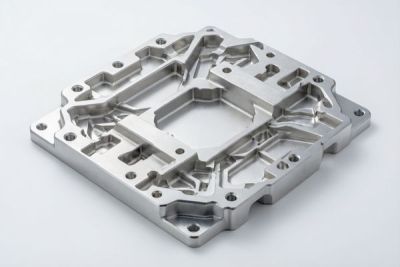
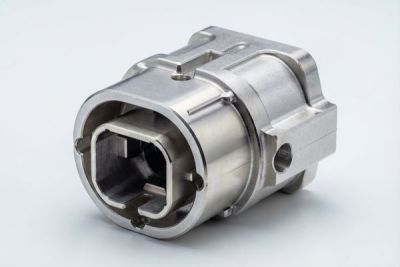
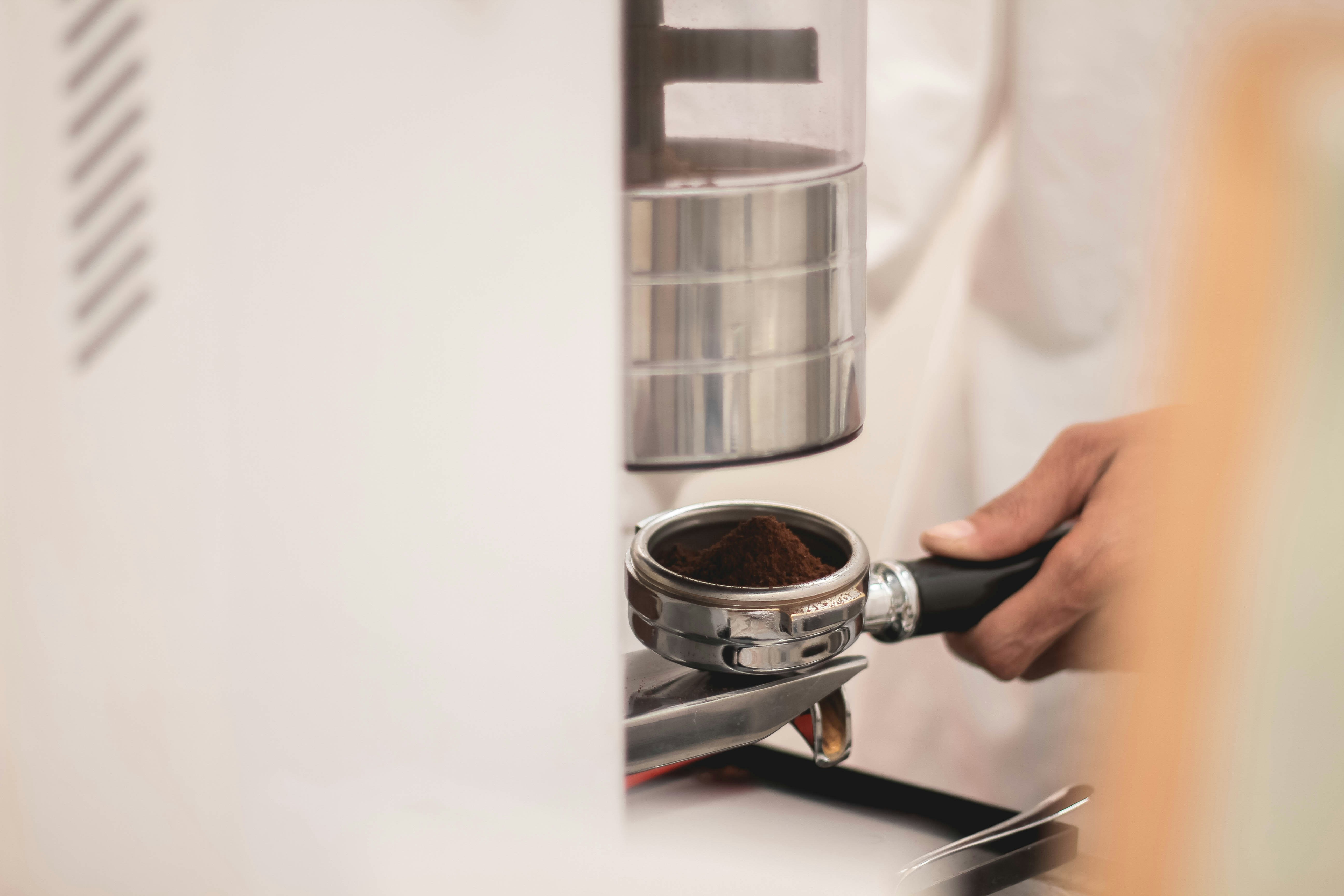
The quality of a cup of coffee is determined not just by the beans but by the precision of the machine that brews it. In the world of high-end coffee makers, stainless steel accessories play a vital role in both function and aesthetics. Achieving the flawless performance and elegant look consumers expect requires an exceptional level of manufacturing precision. Precision CNC machining is indispensable for creating these components, turning robust blocks of stainless steel into everything from portafilters to intricate internal valves with unmatched accuracy. This process is essential for industries where failure is not an option, including the manufacturing of medical devices, automotive sensors, and parts for new energy vehicles.
Mastering Stainless Steel Machining for Flawless Coffee Machine Components
Stainless steel is notoriously challenging to machine due to its toughness and tendency to work-harden. Mastering this material requires a deep understanding of its properties, specialized tooling, and advanced machining strategies. A proficient CNC machining factory will have extensive experience in handling various stainless steel grades, ensuring each component—be it a coffee machine capsule filter accessory, a radiator fin, or a precision mold—is crafted to perfection. This expertise extends to a wide array of products, including liquid cooling device accessories for electronics, industrial lighting hardware, and durable outdoor products.
Selecting the Right Stainless Steel Grades (e.g., 304 and 316L) for Robust Coffee Machine Accessories
The choice of material is the foundation of any high-quality component. For coffee machine accessories, which are in constant contact with water, heat, and acidic coffee grounds, selecting the correct grade of stainless steel is critical for ensuring durability, safety, and performance.
Grade 304 Stainless Steel: This is the most widely used stainless steel in the world, known for its excellent corrosion resistance and formability. It's a common choice for many food and beverage applications, including coffee machine housings, hoppers, and non-critical internal parts. Its composition, typically 18% chromium and 8% nickel, provides a strong defense against rust and oxidation, making it ideal for daily hardware products and kitchen appliances.
Grade 316L Stainless Steel: For components that face more extreme corrosive environments, such as those in direct contact with hot water and coffee acids, 316L is the superior choice. The addition of molybdenum significantly enhances its resistance to chlorides and other corrosive agents. Both 304 and 316 grades are considered food-grade and safe for direct food contact under FDA and EU regulations. Grade 316L, with its high corrosion resistance, is often used in medical device housings, surgical instrument parts, and marine hardware, where reliability is paramount.
A reliable manufacturer will not only help you choose the right grade but also provide material certificates to guarantee authenticity and traceability. This is crucial for high-stakes applications like medical catheter connectors and prosthetic accessories, where material integrity is non-negotiable.
| Feature | 304 Stainless Steel | 316L Stainless Steel | Applications in Manufacturing |
|---|---|---|---|
| Corrosion Resistance | Excellent in most environments. | Superior, especially against chlorides and acids. | Medical devices, New energy vehicle parts |
| Composition | 18% Chromium, 8% Nickel | 17-18% Chromium, 10-12% Nickel, 2-3% Molybdenum | Aerospace structural components, Food machinery shafts |
| Cost | More economical. | Higher cost due to molybdenum content. | Smart home devices, Electronic connectors |
| Typical Use in Coffee Machines | Body panels, hoppers, structural parts. | Boilers, brew groups, steam wands, portafilters. | Coffee machine accessories, Liquid cooling device parts |
Advanced Techniques for Achieving Mirror Finishes on Coffee Machine Accessories
A mirror finish on a stainless steel coffee machine accessory is not just for looks; it provides a smooth, non-porous surface that is easy to clean and resistant to bacterial growth, a critical aspect of food safety. Achieving this lustrous finish is a multi-step process that combines precise machining with meticulous polishing techniques.
The process begins with high-quality CNC machining to create a smooth surface, often with a roughness of Ra 0.8 or better. This is followed by a series of grinding and polishing steps using progressively finer abrasives. Skilled technicians use specialized tools and compounds to remove any microscopic scratches or imperfections left by the machining process. This meticulous work can transform a dull metal part into a reflective, jewel-like component. Techniques such as electropolishing, which uses an electrochemical process to remove a microscopic layer of material, can also be employed to achieve a pristine, ultra-smooth surface, essential for parts like medical device housings and precision transmission rods.
Ensuring Unwavering Accuracy and Tight Tolerances (e.g., ±0.02mm) for Coffee Machine Accessories
In precision engineering, "close enough" is never acceptable. The fit and function of coffee machine components depend on unwavering accuracy. A seemingly minor deviation can lead to leaks, pressure loss, or complete failure. This is why top-tier CNC machining factories operate with exceptionally tight tolerances. While standard tolerances might be around ±0.1mm (ISO 2768-m), high-precision applications demand much more.
For coffee machine accessories, tolerances are often specified in the range of ±0.01mm to ±0.02mm, and sometimes even tighter for critical mating parts like seals and valve seats. Achieving this level of precision requires not just advanced machinery but a holistic approach that includes temperature-controlled environments, calibrated tools, and rigorous quality control using equipment like Coordinate Measuring Machines (CMMs). This same level of precision is demanded in the production of automotive transmission parts, motor spindles for electronic products, and joints for industrial robots, where every micron counts.
Navigating Dongguan's Premier CNC Supply Chain for Your Coffee Machine Accessories Projects
Dongguan is a global hub for manufacturing, renowned for its extensive and sophisticated CNC machining supply chain. For businesses looking to produce high-quality stainless steel coffee machine accessories, navigating this landscape effectively is key to success. A premier CNC partner in Dongguan offers more than just parts; they provide an integrated solution that covers the entire product lifecycle. This ecosystem is what enables the rapid development of everything from new energy vehicle prototypes to the latest smart home devices.
Comprehensive Service Offerings: From Rapid Prototyping to Full Production of Coffee Machine Accessories
The journey from a concept to a market-ready product involves several crucial stages, and a reliable CNC supplier should support you through all of them.
- Rapid Prototyping: Before committing to mass production, it's essential to create and test prototypes. A top factory can deliver high-fidelity CNC machined prototypes in stainless steel, allowing you to validate your design, test functionality, and make necessary refinements. This is crucial not just for coffee machine accessories but also for fast-moving industries developing products like 3D scanners and stress-relieving toys.
- Low-Volume Production: Once the design is validated, you may need a small batch for market testing or a limited-edition product launch. Flexible suppliers can accommodate low-volume runs without imposing prohibitive costs.
- Mass Production: As demand grows, your partner must be able to scale production efficiently. A premier Dongguan factory will have the capacity, automation, and process controls to produce tens of thousands of high-quality components, from miscellaneous machined parts to complex drone components, consistently and cost-effectively.
This comprehensive service model, scaling from a single prototype to full production, is a hallmark of Dongguan's manufacturing excellence.
Guaranteed Material Quality and Traceability for Critical Coffee Machine Accessories
The foundation of any high-quality machined part is the raw material. A supplier's claim to use a specific grade of stainless steel is meaningless without a robust verification and traceability system. In industries like medical device manufacturing and aerospace, where part failure can have catastrophic consequences, material traceability is a non-negotiable requirement.
A trustworthy CNC machining factory in Dongguan will implement a rigorous quality control system that includes:
- Incoming Material Inspection: Every batch of raw material is checked to ensure it meets specifications.
- Material Certificates (MTC): The factory will provide a Mill Test Report (MTR) or material certificate for every shipment, detailing the exact chemical composition and mechanical properties of the steel.
- Full Traceability: Advanced systems using barcodes or RFID tracking allow every part to be traced back to its original material batch. This creates an unbroken chain of custody, ensuring accountability and allowing for quick identification of any issues.
This level of quality assurance is essential for all critical components, including automotive sensors, surgical instrument parts, and communication equipment parts.
Expedited Manufacturing Solutions and Flexible Minimum Order Quantities for Coffee Machine Accessories Development
In today's fast-paced market, speed is a competitive advantage. Delays in development can mean missing a crucial market window. Leading CNC providers in Dongguan understand this and offer expedited manufacturing services, sometimes delivering prototypes in just a few days. This agility allows companies to iterate on designs for products like smart home components and robot accessories quickly.
Furthermore, flexibility in Minimum Order Quantities (MOQs) is a significant advantage, especially for startups and companies developing new products. Many factories are willing to work with smaller order sizes, removing a significant barrier to entry. This flexibility allows businesses to test new ideas for a wide range of items, from coffee machine capsule filter hardware to innovative liquid cooling device parts, without a massive upfront investment, making them ideal partners for launching new energy vehicle parts or components for electronic products.
Adopting Cutting-Edge Technology and Stringent Quality Standards for Coffee Machine Accessories
To produce components that meet the highest standards of quality and complexity, a CNC factory must invest in both cutting-edge technology and internationally recognized quality management systems. This combination ensures that from a simple shaft-type machined part to a complex robot body, every item is manufactured with precision and reliability. Choosing a supplier is a technical decision driven by their capability and process stability.
Harnessing 5-Axis CNC Machining for Intricate Coffee Machine Accessories Designs
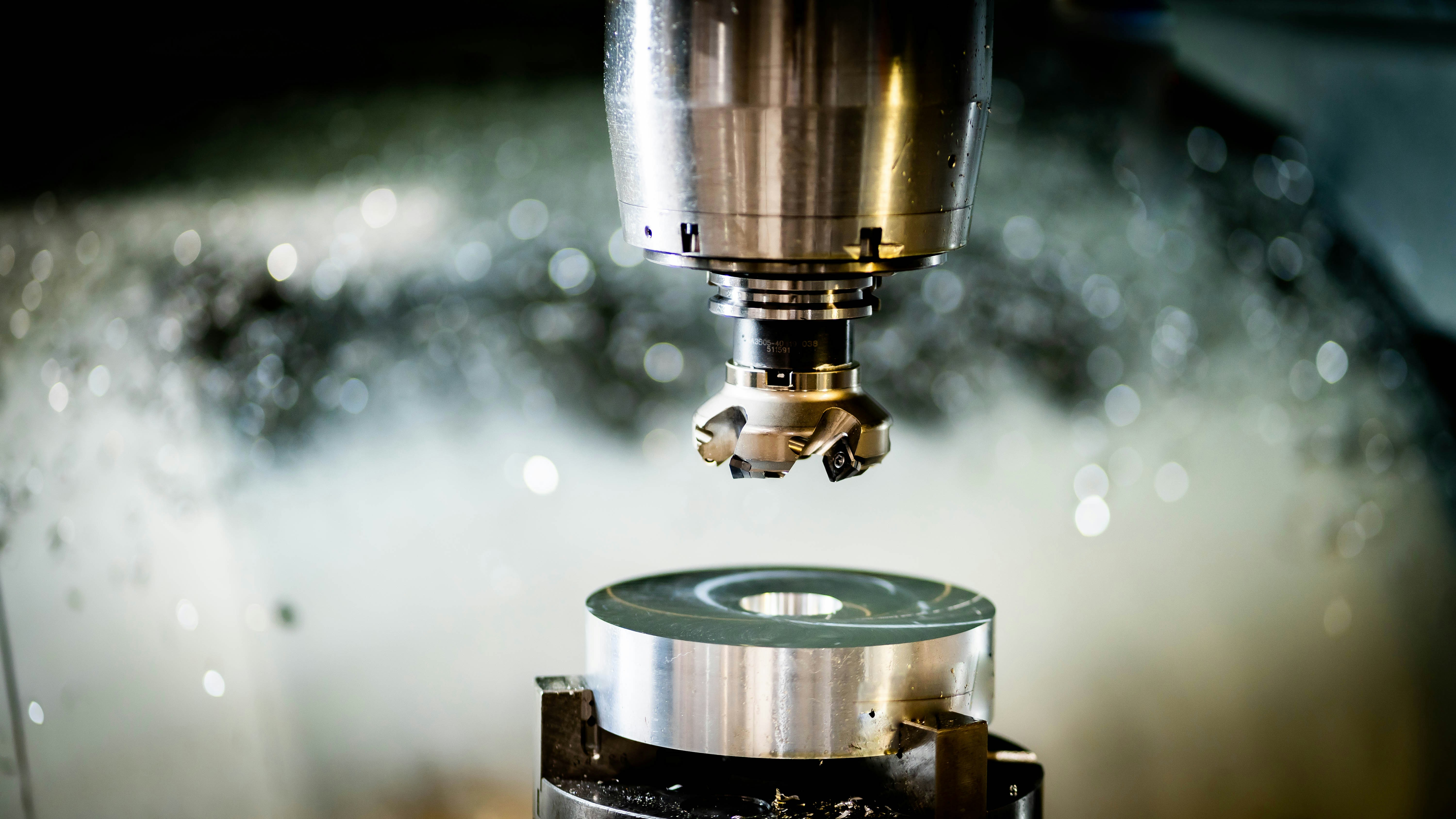
While traditional 3-axis CNC machines are capable for many tasks, the production of complex and intricate designs calls for more advanced technology. 5-axis CNC machining represents a significant leap in manufacturing capability. By allowing the cutting tool to approach the workpiece from five different axes simultaneously, these machines can create complex geometries and curved surfaces in a single setup.
The key benefits of 5-axis machining include:
- Increased Complexity: It enables the creation of highly intricate parts, such as the uniquely shaped bodies of 3D scanners or custom drone parts, that are impossible to make with 3-axis machines.
- Higher Precision: By eliminating the need to manually reposition the workpiece for different operations, the risk of human error is minimized, resulting in tighter tolerances and greater accuracy.
- Better Surface Finish: The tool can maintain an optimal cutting position relative to the material surface, resulting in a smoother finish that often requires less post-processing.
- Faster Production: Complex parts can be completed in a single setup, drastically reducing lead times and increasing overall efficiency.
For coffee machine accessories with ergonomic curves, internal channels, or other complex features, 5-axis CNC machining is the gold standard, ensuring both aesthetic perfection and functional excellence. This technology is also vital for producing components like industrial robot joints, aerospace structural components, and high-performance new energy vehicle parts.
Upholding International Certifications (e.g., ISO 13485 and AS9100) in Coffee Machine Accessories Manufacturing
Quality certifications are not just stamps on a piece of paper; they are a testament to a factory's commitment to robust, repeatable processes and continuous improvement. When evaluating a potential CNC partner, checking their certifications is a crucial step.
- ISO 9001: This is the baseline international standard for a quality management system (QMS). It demonstrates that a factory has established processes for consistent production and customer satisfaction.
- ISO 13485: This certification is specific to the manufacturing of medical devices. While coffee machines are not medical devices, a factory holding this certification has proven its ability to meet extremely stringent quality, documentation, and traceability standards. This is highly relevant for food-contact components where hygiene and material safety are critical.
- AS9100: The quality management standard for the aerospace industry. A factory with AS9100 certification operates at the highest level of precision, risk management, and process control.
Partnering with a factory that holds these certifications provides peace of mind that your coffee machine accessories, as well as any other components like terminal machine equipment accessories or automation equipment parts, will be manufactured under a system designed for excellence.
Collaborative Engineering and Multilingual Support for Global Coffee Machine Accessories Ventures
In a globalized market, effective communication and collaboration are essential. The best CNC machining partners in Dongguan act as an extension of your engineering team. They offer:
- Design for Manufacturability (DFM) Feedback: Before production begins, their engineers will review your designs and provide feedback to optimize them for manufacturing. This can lead to cost reductions, improved performance, and faster production times.
- Collaborative Problem-Solving: If challenges arise during development or production, a good partner will work with you proactively to find solutions.
- Multilingual Support: As many projects are international ventures, proficient English-speaking project managers and engineers are crucial to avoid miscommunication and ensure the project runs smoothly. This support is vital when discussing technical specifics for parts like brushless motor hardware accessories or sensor hardware accessories.
This collaborative approach ensures that your vision for premium coffee machine accessories is translated into a flawless final product.
Our Expertise in Elevating Performance and Design for Next-Generation Coffee Machine Accessories
A truly valuable manufacturing partner does more than simply execute on a blueprint. They bring their own expertise to the table, helping to elevate the product's design, performance, and manufacturability. By collaborating with clients, we can help refine initial concepts for a wide range of products—from electronic products to outdoor products—into optimized, market-leading goods. This partnership approach is critical for creating next-generation coffee machine accessories that stand out for their innovation and quality.
Strategic Design-for-Manufacturability (DFM) for Optimized Coffee Machine Accessories
Design for Manufacturability (DFM) is a proactive engineering practice of designing products in a way that makes them easier and more efficient to manufacture. A CNC factory with strong DFM capabilities can add immense value to your project. By analyzing a design in its earliest stages, potential manufacturing issues can be identified and addressed before they become costly problems.
For coffee machine accessories, DFM analysis might focus on:
- Simplifying Geometry: Can a complex part be redesigned to be machined more easily without compromising its function?
- Optimizing Tolerances: Are the specified tolerances unnecessarily tight? Applying tight tolerances only where functionally required can significantly reduce machining time and cost.
- Standardizing Features: Using standard tool sizes for features like holes and corner radii can speed up production and reduce the need for custom tooling.
- Material Selection: Confirming that the chosen stainless steel grade is the most appropriate for both the application and the machining process.
Engaging in a DFM review with your manufacturing partner ensures you are not just making a part, but making the best possible version of that part, whether it’s for a coffee machine or a more complex component like a motor shaft for a new energy vehicle.
Proven Track Record in Reducing Waste and Enhancing Efficiency for Coffee Machine Accessories Production
Efficiency in manufacturing is about more than just speed; it's about optimizing every aspect of the process to reduce waste, save resources, and improve quality. This is the core of lean manufacturing principles. A factory committed to lean manufacturing will continuously seek to eliminate waste in all its forms:
- Waste of Overproduction: Making more than is needed.
- Waste of Time (Waiting): Idle time for machines or operators.
- Waste of Transportation: Unnecessary movement of materials.
- Waste of Processing: Doing more work than is necessary.
- Waste of Inventory: Having excess stock.
- Waste of Motion: Unnecessary movement by people.
- Waste of Defects: Producing faulty parts that need rework or are scrapped.
By implementing lean principles, a manufacturer can reduce lead times, lower costs, and improve the consistency and quality of your coffee machine accessories. This efficiency also benefits the production of other high-volume parts, such as mobile phone precision parts and smart home components.
Tailored Material Selection and Processing for Innovative Coffee Machine Accessories Functionality
Innovation often requires pushing the boundaries of what's possible with materials and manufacturing processes. A forward-thinking CNC partner doesn't just work with standard materials; they have the expertise to explore and process new or advanced alloys to achieve unique functionality. For coffee machine accessories, this might involve:
- Specialty Stainless Steels: Exploring grades with enhanced thermal properties for better temperature stability in brewing, or alloys with unique surface characteristics.
- Custom Surface Treatments: Developing novel finishes that offer superior non-stick properties, improved scratch resistance, or unique aesthetic qualities beyond a standard mirror polish.
- Hybrid Manufacturing: Combining CNC machining with other processes like metal injection molding (MIM) or 3D printing to create highly complex components that would be impossible with one method alone.
Partnering with a factory that can provide this level of tailored material and processing expertise can be the key to unlocking true innovation and creating a coffee machine that redefines the user experience. This expertise is transferable to many other sectors, including the development of next-generation medical devices and aerospace components.
Key Takeaways
Selecting the right CNC machining factory in Dongguan for stainless steel mirror-finished coffee machine accessories is a decision that requires careful evaluation. The difference between a standard supplier and a true manufacturing partner can significantly impact product quality, cost, and time-to-market. A top-tier factory provides more than just production capacity; it offers integrated expertise that elevates your product from concept to completion.
The key considerations highlighted in this analysis—precision, technology, quality systems, and collaborative partnership—are the pillars of a successful manufacturing relationship. A reliable partner will demonstrate expertise in machining challenging materials like stainless steel, achieving flawless mirror finishes and holding incredibly tight tolerances of up to ±0.02mm or even tighter for critical components. Their investment in cutting-edge technology, particularly 5-axis CNC machining, allows for the creation of intricate and complex designs that set your product apart. This is as true for creating a unique coffee machine portafilter as it is for manufacturing complex automotive sensors or parts for surgical instruments.
Furthermore, a commitment to internationally recognized quality standards such as ISO 9001, and especially more stringent certifications like ISO 13485 for medical devices, indicates a mature and robust quality management system. This ensures that every component, whether it's a part for a new energy vehicle or a simple food machinery transmission shaft, is produced under rigorous process controls. Full material traceability, backed by material certificates, provides an essential guarantee of quality and safety, which is VITAL for food-contact items.
Finally, the value of a collaborative partnership cannot be overstated. A manufacturer that offers Design for Manufacturability (DFM) analysis, applies lean manufacturing principles to enhance efficiency, and provides responsive, multilingual support acts as a true extension of your team. This synergy ensures that potential issues are resolved early, processes are optimized for cost and speed, and the final product not only meets but exceeds expectations. This holistic approach is what defines a high-quality enterprise in Dongguan's competitive landscape and is the key to successfully launching next-generation coffee machine accessories and a host of other precision-engineered products.
Frequently Asked Questions (FAQ)
What makes Dongguan a good choice for CNC machining in 2026?
Dongguan remains a global manufacturing powerhouse due to its highly integrated and sophisticated supply chain. For CNC machining, particularly stainless steel processing, the region offers a dense ecosystem of experienced factories, skilled labor, advanced technology, and competitive pricing. A reliable factory in Dongguan will provide comprehensive services, from rapid prototyping to mass production, backed by robust quality control systems, making it an ideal hub for developing everything from coffee machine accessories to complex aerospace structural components.
Why is a mirror finish important for stainless steel coffee machine parts?
A mirror finish serves both aesthetic and functional purposes. Aesthetically, it gives the product a premium, high-end look. Functionally, a mirror-polished surface is extremely smooth and non-porous. This prevents coffee grounds and oils from sticking, makes the parts easier to clean, and resists the buildup of bacteria, which is a critical factor for food safety and hygiene in components that come into contact with food and beverages.
What are the most important stainless steel grades for coffee machine accessories?
The two most common and important grades are 304 and 316L.
- 304 Stainless Steel: An excellent, all-around choice for general components due to its good corrosion resistance and affordability. It's often used for body panels and structural parts.
- 316L Stainless Steel: This is the premium choice for parts in direct contact with hot water and acidic coffee, such as boilers, portafilters, and steam wands. The addition of molybdenum gives it superior resistance to corrosion, ensuring longevity and safety.
What does "tight tolerance" mean in CNC machining for coffee parts?
Tolerance refers to the acceptable deviation in a part's dimensions. In high-precision manufacturing, a "tight tolerance" means this deviation is extremely small. While a standard tolerance might be ±0.1mm, a tight tolerance for critical coffee machine parts, like sealing surfaces or mating components, is often in the range of ±0.02mm or even as tight as ±0.005mm. Achieving this requires advanced machinery, a controlled environment, and rigorous quality inspection. This level of precision is necessary to ensure parts fit together perfectly, preventing leaks and ensuring optimal performance.
What is 5-axis CNC machining, and why is it beneficial for coffee machine accessories?
5-axis CNC machining is an advanced manufacturing process where the cutting tool can move along five different axes simultaneously. This allows for the machining of highly complex shapes, curves, and angles in a single setup. For coffee machine accessories, this means designers can create more ergonomic and aesthetically pleasing forms without being limited by manufacturing constraints. It also improves precision, enhances surface finish, and can reduce production time for complex parts.
How can I verify the quality of a CNC machining factory in Dongguan?
Verifying quality involves several steps. First, check for internationally recognized certifications like ISO 9001 (quality management), ISO 13485 (medical devices), or AS9100 (aerospace). Second, request proof of their quality control processes, including sample inspection reports from Coordinate Measuring Machines (CMMs). Third, demand full material traceability with material certificates (MTCs) for the raw materials. Finally, it's always best to start with a small prototype or trial order to evaluate their communication, lead time, and the physical quality of their work firsthand before committing to a larger production run.
In conclusion, I have outlined the essential elements for selecting a highly reliable CNC factory in Dongguan for your stainless steel, mirror-finished coffee machine accessories. My analysis emphasizes prioritizing advanced manufacturing capabilities, robust quality management systems, and a comprehensive service approach from design to delivery. The ideal partner will not only possess the technical prowess for precision tasks like 5-axis machining but also demonstrate a commitment to quality through international certifications and full material traceability.
By diligently evaluating these factors—from their ability to achieve tight tolerances and perfect mirror finishes to their collaborative engineering support—I am confident that businesses can secure a partner who will not only meet but exceed their expectations for high-performance components. The right choice will empower you to bring innovative and superior quality products to market, whether they are for the coffee industry or other sectors demanding precision, such as medical devices, new energy vehicles, or aerospace. I encourage you to use these criteria as a roadmap in your search for a manufacturing partner.
Feel free to share this analysis with your colleagues, and I welcome any further discussion or questions on this critical topic.