Why Premium Appliances Use Stainless Steel Mirror Finishing on Knob Shafts
You pick up a premium coffee machine or a designer dimmer switch and turn the knob. It glides. There is no grit, no wiggle, no sticky resistance. That sensation is not luck - it is a deliberate materials and surface decision made long before the unit reached the shelf. The part you are turning is a knob shaft, and on a premium appliance it is almost always finished to a mirror polish rather than left as a raw machined surface.
As an appliance engineer or a buyer specifying components, you should understand exactly why that finish matters, because it touches perceived quality, warranty returns, and even food-safety compliance in the kitchen. This guide explains the mechanism, compares brass vs stainless, shows where knob shafts take the most abuse in coffee machine parts and smart home components, and gives you a practical checklist to source them right the first time.
We write this from the shop floor at Dongguan Licun Technology (brand LusterControl), where we have machined stainless and brass precision parts for appliance OEMs including De'Longhi, Donlim, and Breville since 2015. Everything below uses our real process numbers - Ra 0.2 µm mirror, ±0.005 mm tolerance, 60+ CNC machines - so you can verify a supplier against the same yardstick.
Table of Contents
- 1. Why Premium Appliances Demand Stainless Steel Mirror Finishing on Knob Shafts
- 2. Coffee Machine Parts: Where Knob Shafts Take the Most Abuse
- 3. Smart Home Components: Knobs That Define the User Experience
- 4. Brass Machining vs Stainless Steel for Knob Shafts
- 5. CNC Lighting Parts: Dimmer Knobs and Their Shafts
- 6. Custom CNC Parts: Matching a Knob Shaft to Your Assembly
- 7. How Stainless Steel Mirror Finishing (Ra 0.2 µm) Protects Knob Shafts
- 8. A Buyer's Checklist for Custom CNC Parts: Sourcing Knob Shafts
- 9. Common Sourcing Mistakes for Stainless Steel Mirror Finishing Knob Shafts
Consumer Electronics&Smart Home AI part image
Why Premium Appliances Demand Stainless Steel Mirror Finishing on Knob Shafts
A mirror finish on a knob shaft is an engineering choice, not a beauty treatment.
When you turn a knob hundreds of times a year, the surface of its shaft decides whether the motion feels precise or cheap. Stainless steel mirror finishing reduces the microscopic peaks and valleys left by cutting tools, dropping surface roughness toward Ra 0.2 µm (what the trade calls 8K mirror). Smooth metal against smooth metal means less friction, less abrasive wear on the mating bushing, and no place for grime to collect.
What mirror finishing actually changes for the user
- Feel - a polished shaft turns with consistent, light torque instead of a grainy drag.
- Wear - fewer surface peaks means the coating and the bushing last longer under repeated turns.
- Corrosion - a clean, passivated stainless surface resists the steam and splashes of a kitchen.
- Cleaning - smooth shafts do not trap coffee oils or fingerprints the way a matte cut surface does.
- Perception - the first touch of a knob sets the price expectation for the whole appliance.
The cheapest knob shaft is a raw turned pin. But the moment your brand is priced as 'premium', the finish on that pin is part of the product story - and a rough one is the fastest way to feel like a counterfeit.
Consumer Electronics&Smart Home AI part image
Coffee Machine Parts: Where Knob Shafts Take the Most Abuse
The kitchen is the harshest environment a knob shaft will ever meet.
Among all the coffee machine parts we make, the brew-temperature and function knobs sit in the worst spot in the house: hot, wet, and handled every morning. Steam condenses on the shaft, coffee oils wick in along the clearance, and the user grabs it with a damp hand. A plain stainless shaft survives, but a mirror-finished and passivated one stays smooth and good-looking for the life of the machine.
Three failure modes a mirror finish prevents
- Crevice corrosion - a rough surface holds moisture against the steel; polishing removes the hiding places.
- Sticky turning - coffee residue builds in the valleys of a cut surface and gums the rotation.
- Galvanic wear - against a brass or polymer bushing, a smooth hard shaft wears the mate evenly instead of gouging it.
| Condition | Raw turned shaft | Mirror-finished + passivated shaft |
|---|---|---|
| Daily steam exposure | Surface stains within months | Stays bright, passivation protects |
| Coffee-oil contact | Oils trap in cut valleys | Wipes clean, no residue hold |
| Turn feel after 1 year | Gritty, uneven torque | Consistent, light glide |
| Warranty return risk | Higher (stick / stain complaints) | Lower (cosmetic + functional) |
If your coffee machine parts are sold into a market that cares about build quality - and most premium coffee brands do - specify the finish in writing. 'Polished' is not a tolerance; 'Ra 0.4 µm max, passivated per ASTM A967' is.
Smart Home Components: Knobs That Define the User Experience
In a smart home, the physical knob is the one analog moment in a digital product.
Most smart home components are screens and touch surfaces, which makes the remaining physical knobs more important, not less. A dimmer, a thermostat dial, a speaker volume ring - these are where the user's hand meets your brand. The shaft behind that knob is a smart home component in its own right, and its finish is part of the interaction design.
What the UX team should tell the sourcing team
- Define a torque band, not just a look - the knob should turn within a target detent feel.
- Specify the shaft straightness so the knob does not wobble on its axis.
- Choose a material that survives the product's rated cycles, not just the showroom.
- Ask for a verified Ra so the 'premium' claim is measurable, not marketing.
We machine these shafts in both stainless and brass depending on the product tier. For a high-end smart-home dial, stainless steel mirror finishing gives the longest life and the cleanest look; for a cost-optimized tier, a polished brass shaft still beats a raw one at a fraction of the lifecycle risk.
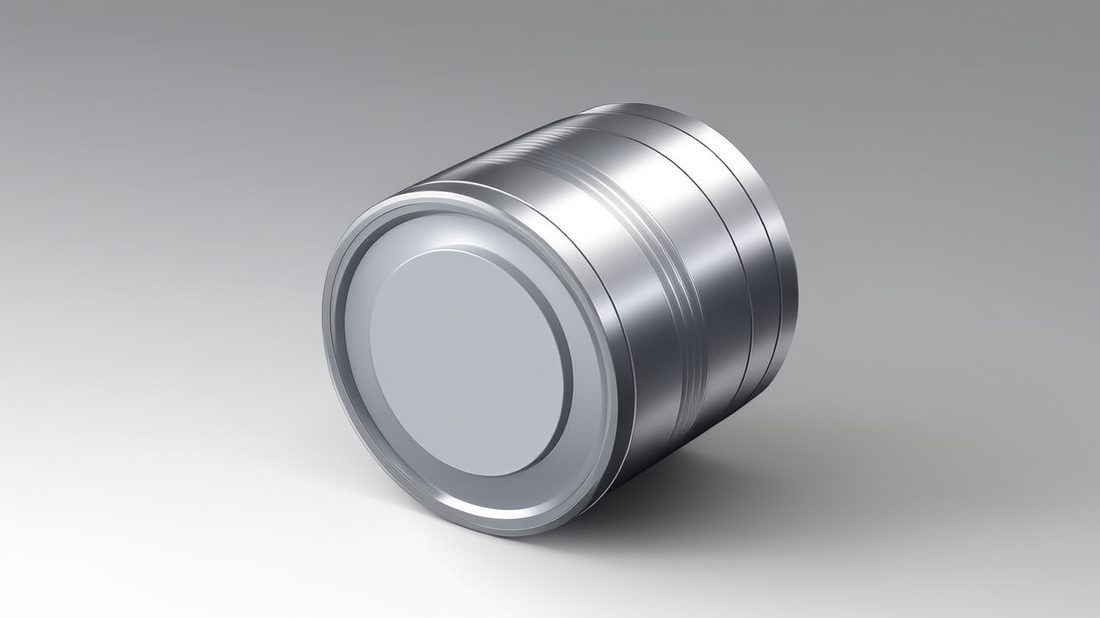
Consumer Electronics&Smart Home AI part image
Brass Machining vs Stainless Steel for Knob Shafts
Brass feels luxurious and machines cheaply; stainless lasts and cleans easily. Pick by duty.
The classic choice for a premium knob is brass: it is dense, takes a beautiful polish, and machines faster than stainless, which lowers cost. But brass tarnishes and is softer, so it wears and discolors where a stainless steel shaft would not. Brass machining is the right call for dry, handled, decorative dials; stainless is the right call wherever heat, steam, or food contact enters the picture.
How the two materials compare on the same shaft
| Factor | Brass (C3604 etc.) | Stainless 303 / 304 |
|---|---|---|
| Machinability | Excellent, fast cycle | Good, slightly slower |
| Polish result | Warm, bright, luxe | Cool, clean, 8K possible |
| Hardness / wear | Softer, wears faster | Hard, holds geometry |
| Corrosion (kitchen) | Tarnishes near steam | Passivates, stays bright |
| Food contact | Coat or plate advised | Direct contact OK |
| Relative cost | Lower (less machine time) | Higher (more machine time) |
Pros
- Brass: faster, cheaper, gorgeous polish
- Stainless: longer life, food-safe, no tarnish
Cons
- Brass: tarnishes, softer, needs coating for wet use
- Stainless: more machine time, higher unit cost
Either way, the finish is what you feel. A badly finished stainless shaft is worse than a well-finished brass one - so match the material to the environment, then polish to the level the tier demands.
CNC Lighting Parts: Dimmer Knobs and Their Shafts
Lighting controls are touched daily and judged instantly - the shaft decides the verdict.
Dimmer switches and smart lighting dials are CNC lighting parts where the shaft lives behind a knob you turn every evening. They are usually dry and indoor, which makes brass machining attractive, but the premium tiers increasingly use stainless steel mirror finishing for a cooler look and zero tarnish over the product's life.
What a lighting shaft must do
- Hold concentricity so the knob spins true with no radial wobble.
- Keep a tight clearance to the bushing for a consistent detent.
- Resist the slight hand-oil contact of daily use without staining.
- Match the enclosure's IP rating where the dial breaks the faceplate.
We build these as part of the same family as our other precision shafts, so a lighting brand can mix brass and stainless across its range while keeping one supplier, one quality system, and one set of inspection records.
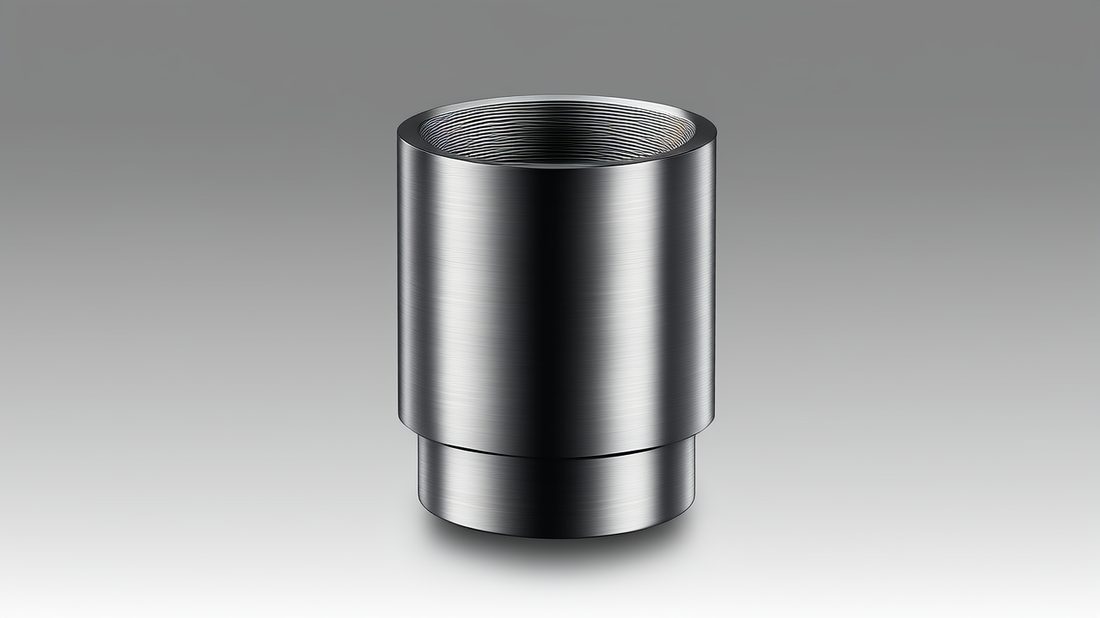
Consumer Electronics&Smart Home AI part image
Custom CNC Parts: Matching a Knob Shaft to Your Assembly
The shaft is custom the moment it has to fit your exact knob, bearing, and detent.
A knob shaft is rarely a catalog item. It is a custom CNC part shaped by your knob's bore, your detent spring, your bushing material, and the clearance your housing allows. Getting those relationships right at the drawing stage is what keeps the assembly quiet and the feel consistent across thousands of units.
The dimensions that actually decide the feel
| Dimension | What we typically hold | Why it matters to you |
|---|---|---|
| Shaft diameter | ±0.005 mm | Slip or press fit to the knob bore |
| Concentricity | ≤ 0.02 mm | No wobble when you turn the knob |
| Shoulder length | ±0.03 mm | Correct axial seating in the housing |
| Flat / slot feature | ±0.02 mm | Detent or drive alignment |
| Surface Ra | 0.2-0.4 µm mirror | The turn feel and wear life |
Treat the shaft as a system part, not a pin. Give your supplier the knob bore, the bushing ID, and the detent spec, and let them propose the tolerance stack - that is where a good custom CNC parts partner earns the relationship.
How Stainless Steel Mirror Finishing (Ra 0.2 µm) Protects Knob Shafts
Reaching a true mirror is a process chain, not a single polishing step.
Stainless steel mirror finishing to Ra 0.2 µm is the result of machining cleanly, then leveling the surface chemically and mechanically. On a knob shaft the payoff is a surface with almost no micro-valleys: nothing to trap oil, nothing for corrosion to start in, and almost no friction against the bushing.
The finish chain we run
- Machine to a fine baseline so polishing has minimal stock to remove.
- Deburr every edge so the polish is uniform and fingers feel no catch.
- Passivate per ASTM A967 to rebuild the chromium-oxide layer that makes stainless corrosion-resistant.
- Electropolish to level micro-peaks and pull Ra down toward 0.2 µm.
- Verify with a profilometer - we measure, we do not eyeball 'shiny'.
- Ra
- Arithmetic average surface roughness - lower means smoother. Ra 0.2 µm is a true mirror (8K).
- Passivation
- A acid treatment that thickens the passive chromium layer on stainless.
- Electropolish
- Electrochemical leveling that smooths and brightens the surface.
- ASTM A967
- The US standard that defines passivation of corrosion-resistant steels.
| Finish grade | Typical Ra | Use on a knob shaft |
|---|---|---|
| Standard machined | 0.8 µm | Non-visible, internal pins |
| Fine turned | 0.4 µm | Mid-tier handled knobs |
| Mirror (8K) | 0.2 µm | Premium, wet, or food-contact knobs |
For a premium appliance, write the Ra target and the passivation standard on the drawing. 'Polished stainless' tells a supplier nothing; 'Ra 0.4 µm max, passivated per ASTM A967' tells them exactly what to deliver and how to prove it.
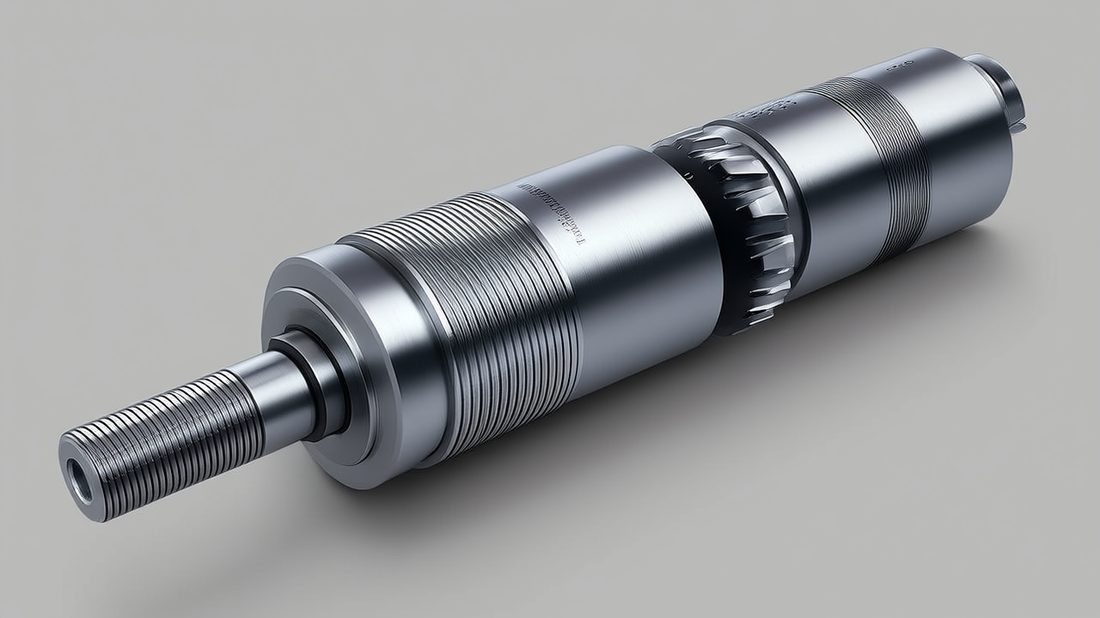
Consumer Electronics&Smart Home AI part image
A Buyer's Checklist for Custom CNC Parts: Sourcing Knob Shafts
Send this to every shop on your shortlist. The answers will sort them in one round.
- Can they state a finish target (Ra) and verify it with a profilometer, not just 'polished'?
- Do they passivate stainless per ASTM A967 and document it on the lot?
- Will they hold ±0.005 mm on diameter and ≤0.02 mm concentricity, with CMM proof?
- Do they machine brass and stainless regularly, not as a one-off experiment?
- Can they supply material mill certs and a CoC tied to batch traceability?
- Do they support prototype to volume without re-qualifying the process?
- Will they review your drawing for DFM and propose the tolerance stack?
- Do they answer engineering questions with numbers, not sales language?
A supplier that clears all eight is worth locking in. One that stumbles on finish verification or traceability should not be on a premium program where the knob is the first thing a customer touches.
Common Sourcing Mistakes for Stainless Steel Mirror Finishing Knob Shafts
Most knob-shaft problems are decided at the RFQ stage, not on the shop floor.
- Leaving finish as 'polished' on the drawing, then arguing about it after shipment.
- Specifying brass for a steam-exposed coffee knob without a coating plan - it tarnishes fast.
- Chasing the lowest pin price and eating the cost in rework, returns, and brand damage.
- Skipping first-article inspection to 'save time' - it is the cheapest insurance you have.
- Ignoring concentricity, so the knob wobbles even though the diameter is 'in tolerance'.
- Forgetting traceability - without a mill cert and CoC, a food-contact complaint becomes a recall.
None of these are exotic failures. They are habits - and the right custom CNC parts partner should make the correct habit the default, not something you have to police on every lot.
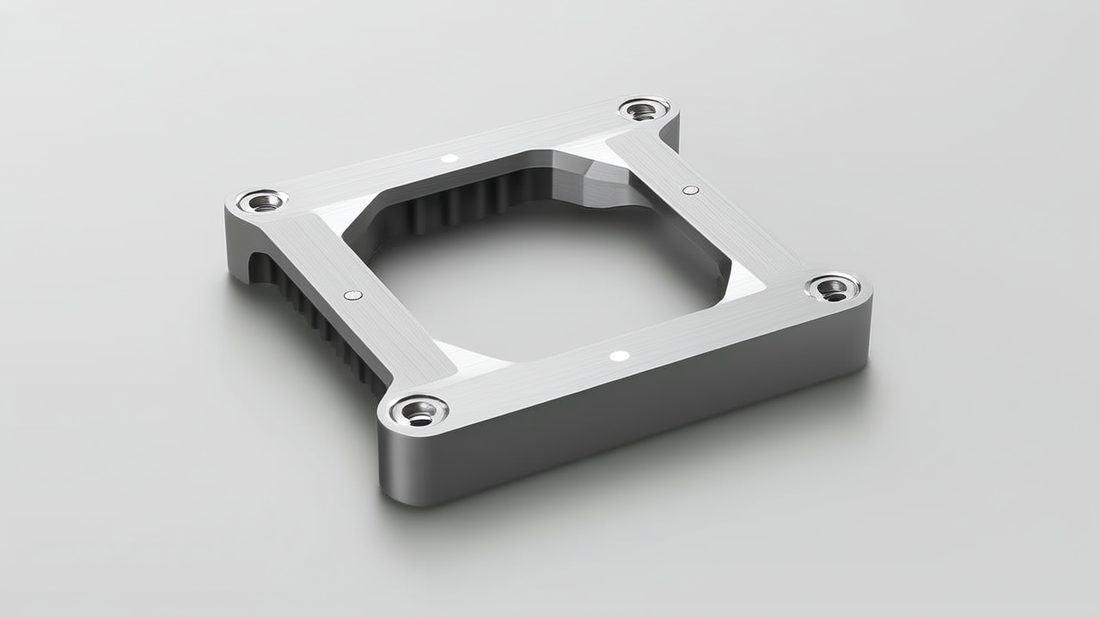
Consumer Electronics&Smart Home AI part image
Consumer Electronics&Smart Home AI part image
Consumer Electronics&Smart Home AI part image
Consumer Electronics&Smart Home AI part image
FAQ: coffee machine parts & Consumer Electronics&Smart Home Buyer Questions
A: A mirror finish (Ra 0.2-0.4 µm) removes the micro-peaks left by cutting, so the shaft turns smoothly, wears its bushing evenly, resists corrosion in a steamy kitchen, and cleans easily. On a premium product the first touch of the knob sets the price expectation, so the finish is part of the build quality.
A: Brass machines faster and polishes to a warm, luxe look, so it suits dry, decorative, handled dials. Stainless (303/304) lasts longer, stays bright, and is food-safe, so it wins wherever steam, heat, or food contact is involved - coffee machine parts and premium smart-home dials. Match the material to the environment, then polish to the tier.
A: For a premium, wet, or food-contact knob, specify Ra 0.2 to 0.4 µm (mirror / 8K) with passivation per ASTM A967. 'Polished' alone is not a controllable requirement; write the Ra number and the passivation standard so the supplier can deliver and prove it.
A: We routinely hold ±0.005 mm on shaft diameter and ≤0.02 mm on concentricity for knob shafts, verified by CMM and profilometry rather than estimated. Shoulder length and slot features are typically held to ±0.02 to ±0.03 mm for clean axial seating and detent alignment.
A: Yes - we passivate per ASTM A967 after polishing. Passivation rebuilds the chromium-oxide layer that makes stainless corrosion-resistant. A bright polish without passivation can still stain or corrode in a humid kitchen, so finish and chemistry must be specified together.
A: Yes. We run first-article inspection on new designs, support low-volume custom runs, and scale to monthly volume from the same 4,000 m2 Dongguan plant with the same documented process and batch traceability - so your program grows without re-qualifying the source.
Specifying knob shafts for your next premium appliance? Send us your drawing and we will return a free DFM review with material, tolerance, and finish recommendations - whether you need coffee machine parts, smart home components, or CNC lighting parts. No obligation, just a clear engineering answer.
Request a Free CNC Quote