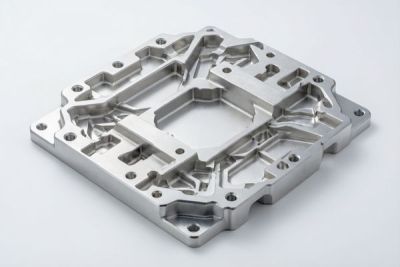
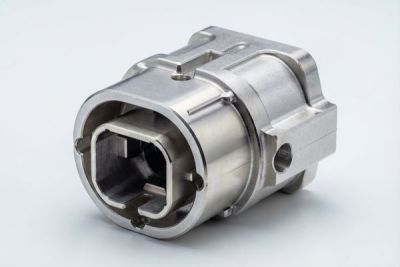
Why Smart Home Brands Outsource Precision CNC Components (2026)
If you run a smart home brand, the metal parts are the last thing you want to think about — until one of them rattles, leaks or fails a drop test and becomes the reason for a one-star review. A thermostat actuator, a sensor housing, a coffee machine brew chamber, an LED heat sink: none of them is glamorous, all of them decide whether your product feels premium or cheap. The question most founders hit at scale is the same: do we keep this in-house, or outsource the precision CNC?
This 2026 buyer's guide is written from the purchasing side of the table. We break down why smart home brands outsource precision CNC components, what custom CNC parts actually cost when you do them yourself, and where stainless steel parts, brass machining and CNC lighting parts each fit. By the end you should be able to price the in-house trap honestly and write a supplier shortlist that survives volume.
Everything here reflects how Dongguan Licun Technology (brand LusterControl) actually runs a 60-machine stainless mirror-finishing source factory in Dongguan, China — the same line that has shipped precision parts for brands such as De'Longhi, Donlim and Breville. No invented certificates, no rounded-off numbers.
Table of Contents
- 1. Smart Home Components: Why Brands Stop Running CNC In-House
- 2. Custom CNC Parts: The Hidden Cost of In-House Machining
- 3. Stainless Steel Parts and Brass Machining: What Outsourcing Unlocks
- 4. Coffee Machine Parts: A Case Study in Outsourced Precision
- 5. CNC Lighting Parts: Scaling Without Buying More Machines
- 6. Smart Home Components vs Coffee Machine Parts: Two Outsourcing Mindsets
- 7. Custom CNC Parts Buyer's Checklist: When to Outsource
- 8. Brass Machining and Stainless Steel Parts: Red Flags in a CNC Partner
- 9. Smart Home Components: Why Brands Choose One Outsourced CNC Partner
Consumer Electronics&Smart Home AI part image
Smart Home Components: Why Brands Stop Running CNC In-House
The capacity wall arrives long before you expect it.
Most smart home brands do not start by outsourcing. They prototype with a local job shop, then buy two or three CNC machines to 'control the supply chain.' That works until the product sells. The moment a single SKU crosses a few tens of thousands of units, in-house CNC turns from a control lever into a bottleneck: you are now recruiting machinists, arguing with your plating subcontractor, and explaining to customers why a finish drifted between two batches.
The capacity wall at 50,000 units
A single 3-axis machine makes maybe a few hundred simple parts a day. When your smart home components program needs consistent weekly volume, you are staffing shifts, maintaining spindles and carrying inventory you never planned for. Outsourcing to a shop that already runs 60 CNC machines across a 4,000 m2 floor at 500,000 parts per month means the capacity is somebody else's problem — and your lot still ships on the same datum discipline.
Consumer Electronics&Smart Home AI part image
Custom CNC Parts: The Hidden Cost of In-House Machining
Unit price is the smallest number on the real P&L.
Buyers comparing in-house versus outsourced almost always compare the wrong thing. They put the outsourced piece price next to their own raw material plus machine-hour estimate and conclude in-house is cheaper. They forget the rest of the line: deburring, mirror finishing, passivation, inspection, scrap, and the engineer half of whose week is now spent fighting tolerances instead of designing the next product.
What in-house really costs you
| Cost line | In-house CNC | Outsourced to a precision shop |
|---|---|---|
| Machine + tooling | Capital you depreciate | Partner's amortized capacity |
| Operators + shifts | You recruit and train | Included in piece price |
| Mirror finish / passivation | You build or subcontract | One cell, one QC system |
| Inspection + first-article | You staff metrology | CMM report shipped with lot |
| Scrap + rework | Hits your margin directly | Priced into partner's process |
| Traceability paperwork | You create from scratch | Batch-level, audit-ready |
Pros
- In-house keeps early prototypes fast and iterations private
- You control IP physically on the floor
- Zero freight and no language gap for the first 1,000 units
Cons
- Fixed cost explodes at volume — you buy machines you under-use
- Finish and plating quality plateau at your weakest subcontractor
- Your best engineer becomes a machine supervisor
- Audit trail for medical/auto customers is built late, not by design
The honest buyer's read: in-house wins for the first prototype batch and loses at scale. Past a few tens of thousands of units, custom CNC parts are almost always cheaper and more consistent when outsourced to a shop whose whole business is holding the tolerance you need. Start a drawing review on our inquiry page and we will show you the crossover point for your volume.
Stainless Steel Parts and Brass Machining: What Outsourcing Unlocks
One partner for the whole bill of materials.
A smart home product is rarely one material. The brew chamber is stainless, the valve is brass, the heat sink is aluminium, the sensor housing is stainless again. Running each at a different shop means three quality systems, three lot records and three chances for a datum to drift between parts that must fit together. Outsourcing to a shop that runs stainless steel parts and brass machining on the same turn-mill compound cells removes that fracture.
One supplier for the bill of materials
| Part in your BOM | Best material | What precision buys you |
|---|---|---|
| Brew chamber / filter | 304 / 316 stainless | Mirror finish, food-contact hygiene |
| Valve body / regulator | Brass, passivated | Sealing seat at +/-0.005 mm |
| LED heat sink | Aluminium 6061 | Flat mate face, thermal path |
| Sensor / actuator housing | Stainless or aluminium | Tight bore, clean deburr, no rattle |
| Brackets / hinges | Stainless or steel | Fit and finish at volume |
Because all of these run on the same rigid cells, your tolerances, your finishes and your lot records stay consistent across the appliance. That is the quiet advantage of outsourcing to a single precision CNC partner instead of three specialists — and it is why LusterControl machines stainless, brass and aluminium on one floor under one ISO 9001 / ISO 13485 quality system with IATF 16949 in application.
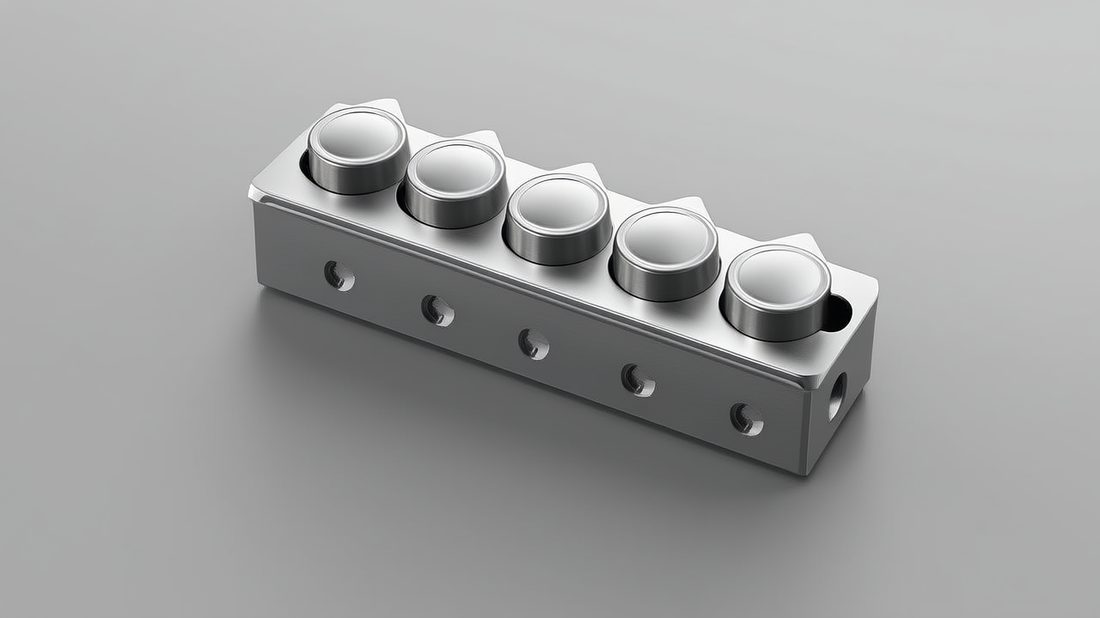
Consumer Electronics&Smart Home AI part image
Coffee Machine Parts: A Case Study in Outsourced Precision
The smart-home precision part everyone underestimates.
The coffee machine is the canonical smart-home precision product, and it is the clearest argument for outsourcing. A capsule filter plate, a brewing chamber and a valve seat all sit in the food-and-water path, where a 0.05 mm burr changes extraction and a rough internal surface grows bacteria. Holding that consistently across hundreds of thousands of units is exactly the kind of process control a brand should not be building from scratch.
Why a coffee brand outsourced its brew path
When a coffee appliance scales, the brew path demands mirror-finished stainless (Ra down to 0.2 µm, our 8K tier) plus ASTM A967 passivation, and brass valves held to a +/-0.005 mm seat. A brand that tried to keep this in-house would be running a food-grade finishing line — a regulated, audited, scrap-prone operation. Outsourcing to a shop that already does it daily collapsed the brand's fixed cost and lifted its first-pass yield.
CNC Lighting Parts: Scaling Without Buying More Machines
Lighting is a flatness problem in a pretty package.
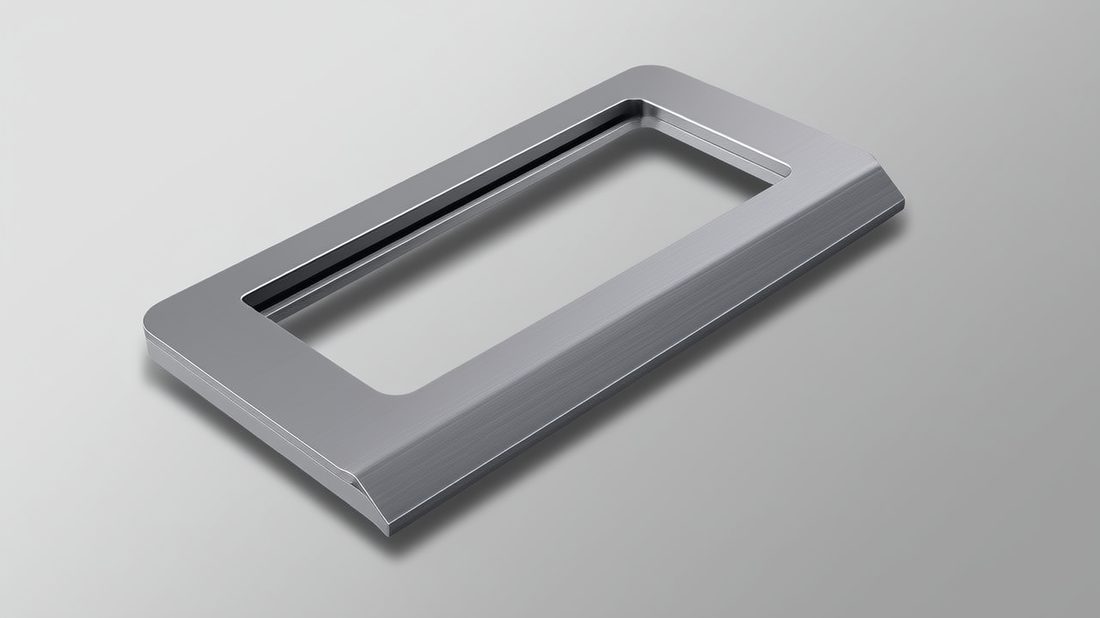
CNC lighting parts — LED heat sinks, reflector housings, trim rings — look simple and are anything but. A heat sink that is 0.02 mm out of flat loses contact with the board, runs hot and dims early; a reflector that is not round throws a wobbly beam. At prototype volume you can hand-finish; at production volume you need the flatness held by the machine, every unit, every week.
Thermal flatness at volume
| Requirement | In-house at scale | Outsourced precision CNC |
|---|---|---|
| Flat mate face | Drifts with operator skill | Held by rigid cell, burr-free |
| Fin geometry consistency | Varies unit to unit | Same program, same result |
| Finish for reflectivity | Manual polish, uneven | Mirror / anodize controlled |
| Capacity for a spike | You buy more machines | Partner absorbs the swing |
Outsourcing CNC lighting parts means a demand spike does not force a capital decision — the partner's 500K-per-month capacity absorbs it. The same mirror-finishing know-how that gives Ra 0.2 µm on a brew chamber gives a clean reflective surface on a lighting part without a separate process.
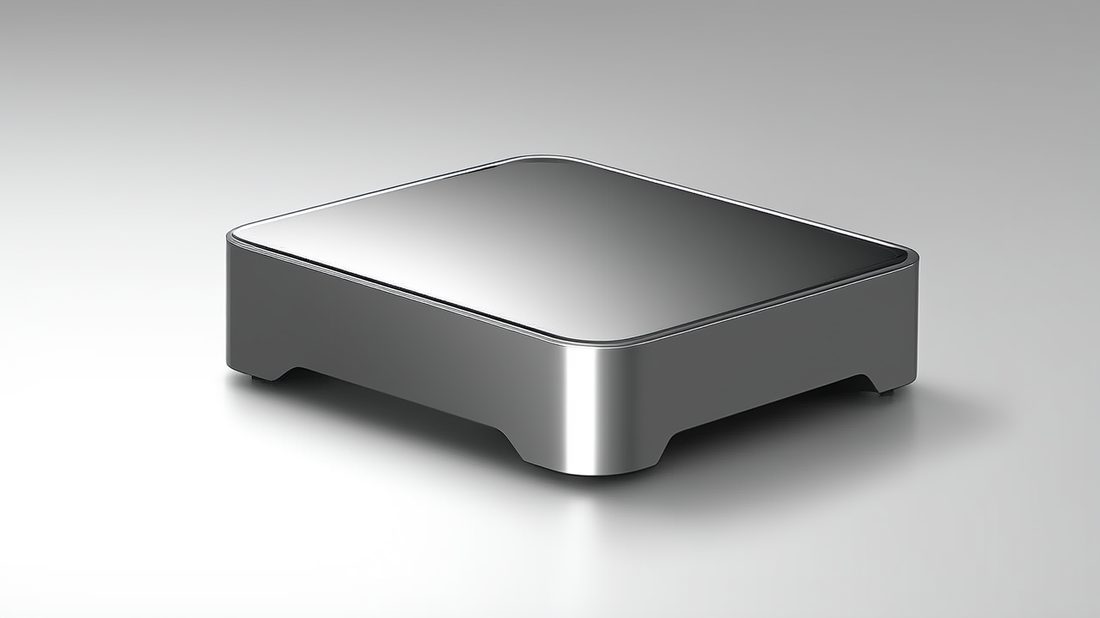
Consumer Electronics&Smart Home AI part image
Smart Home Components vs Coffee Machine Parts: Two Outsourcing Mindsets
Same shop, two different buying logics.
Buyers often treat 'small metal parts' as one category. They are not. Broad smart home components spread across valves, thermal and housings where volume and fit dominate; coffee machine parts lean hard on food-contact finish and flow geometry. Knowing which mindset your program needs changes how you shortlist a CNC partner.
| Factor | Smart home components | Coffee machine parts |
|---|---|---|
| Dominant spec | Fit, flatness, volume cost | Mirror finish + flow geometry |
| Key finish | Anodize / clean deburr | Ra 0.2 µm 8K, ASTM A967 |
| Tolerance focus | Bore, flat, overall fit | Hole array + sealing seat +/-0.005 mm |
| Material mix | Aluminium + stainless + brass | 304/316 stainless + brass valves |
| Buyer's top risk | Rattle, thermal, fit returns | Channeling, hygiene, leakage |
| LusterControl capacity | Same line, same traceability | Same line, same traceability |
Custom CNC Parts Buyer's Checklist: When to Outsource
The six signals it is time to hand the CNC to a partner.
- Weekly volume has crossed a few tens of thousands of units per SKU
- Your finish or plating subcontractor is now your bottleneck, not your machines
- A senior engineer spends more time on tolerances than on product
- A customer (medical / auto / appliance) asked for batch traceability you do not have
- Scrap or first-pass yield is eating margin you cannot see on the quote
- Demand swings would force a capital machine purchase you would under-use
Common mistakes buyers make
- Comparing only piece price and ignoring QC, finishing and scrap
- Keeping food-contact finishing in-house to 'protect quality' and creating a regulated line by accident
- Splitting brass valves and stainless chambers across two shops and losing datum control
- Asking for 'mirror finish' with no Ra number, so every quote means something different
- Shortlisting on price alone, then discovering the partner has no audit trail
Hit two or more of those and outsourcing custom CNC parts will lower your real cost and raise your consistency. A free DFM review before you cut tells you which tolerances are bought with cycle time and which actually change the product — the conversation that pays for itself.
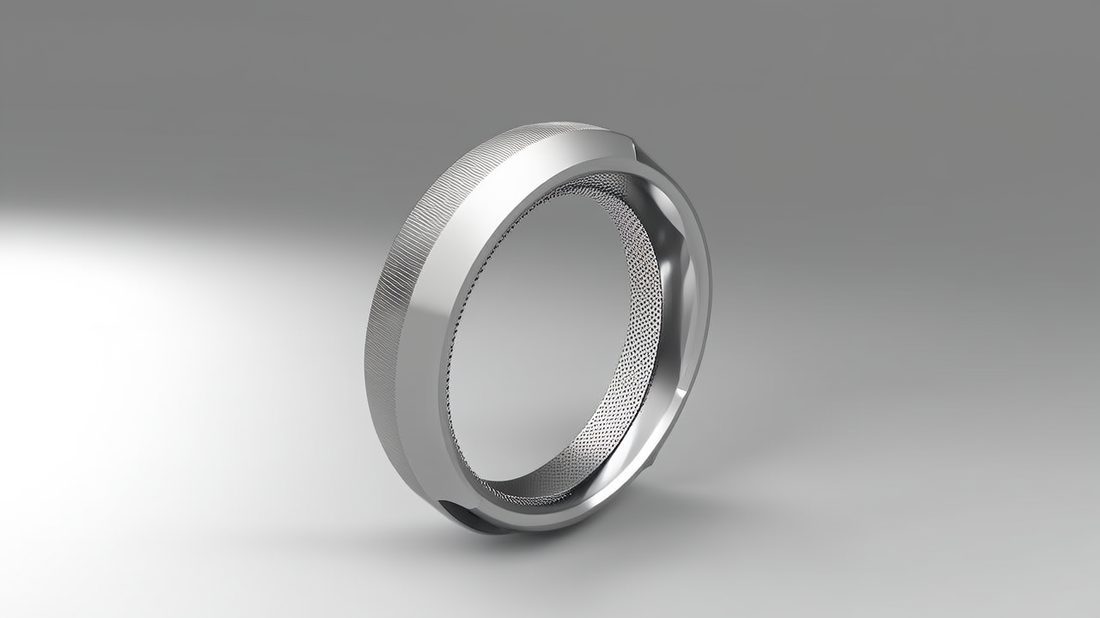
Consumer Electronics&Smart Home AI part image
Brass Machining and Stainless Steel Parts: Red Flags in a CNC Partner
What a qualified shop shows without being asked.
Outsourcing only helps if the partner is actually qualified. For brass machining and stainless steel parts the same red flags repeat: a shop that will not show measured data, will not name the tolerance it holds, or treats passivation as optional. Walk before you scale with any of these.
- No mill cert for stainless or named brass grade on the lot
- No measured first-article report — only 'looks good'
- No Ra evidence on the contact faces you care about
- Passivation (ASTM A967) treated as optional for stainless in the brew path
- No batch traceability — a field failure cannot be tied to stock or process
- Vague tolerance claims with no micron band and no datum
Smart Home Components: Why Brands Choose One Outsourced CNC Partner
Capacity, finish and paperwork under one roof.
LusterControl did not add smart home components to chase a badge. We added them because the same discipline they demand — rigid cells, +/-0.005 mm control, single-setup datum locking and batch traceability — is exactly what makes every other industry's parts better. A smart-home program is a stress test that lifts the whole floor, which is why we serve consumer electronics alongside medical, automotive, semiconductor, UAV and robotics work.
The quality system underneath the metal
Every part at LusterControl is made under ISO 9001 and ISO 13485 controls, with IATF 16949 in progress, and with passivation where ASTM A967 cleanliness is required. For smart home brands that means the paperwork trail — material certs, CMM data, batch records — is built in, not bolted on after the fact. You get audit-ready evidence whether the run is a prototype or 500K pieces.
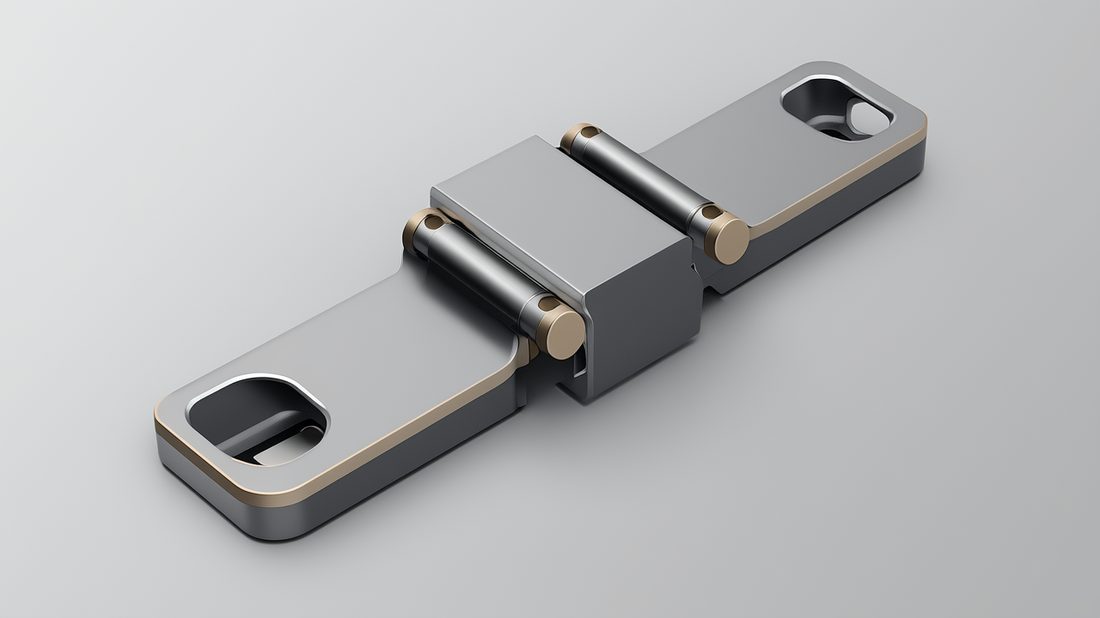
Consumer Electronics&Smart Home AI part image
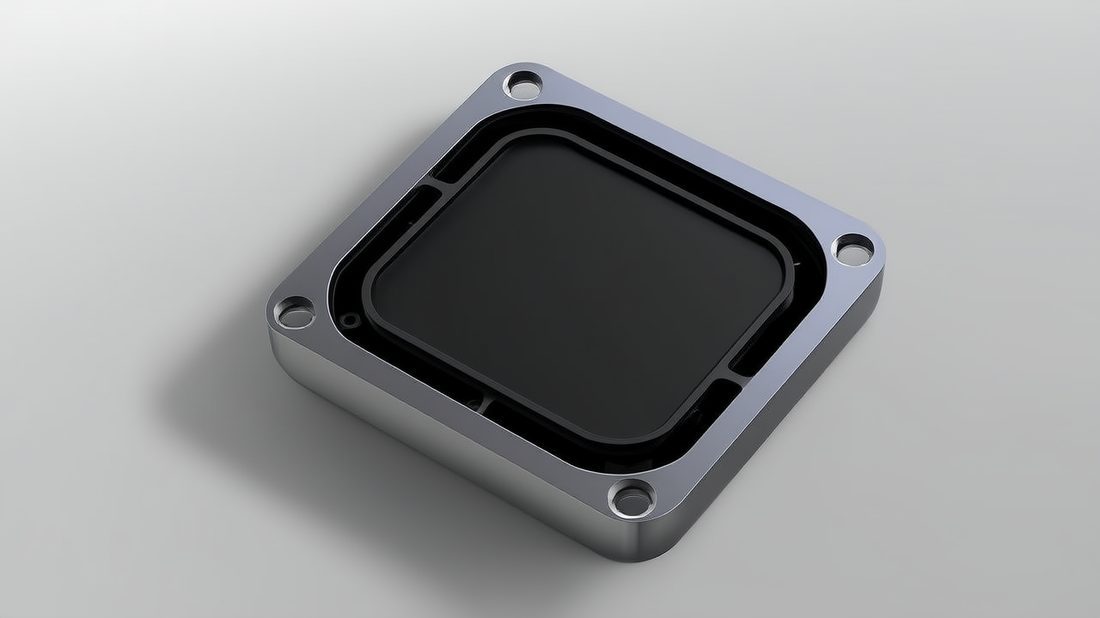
Consumer Electronics&Smart Home AI part image
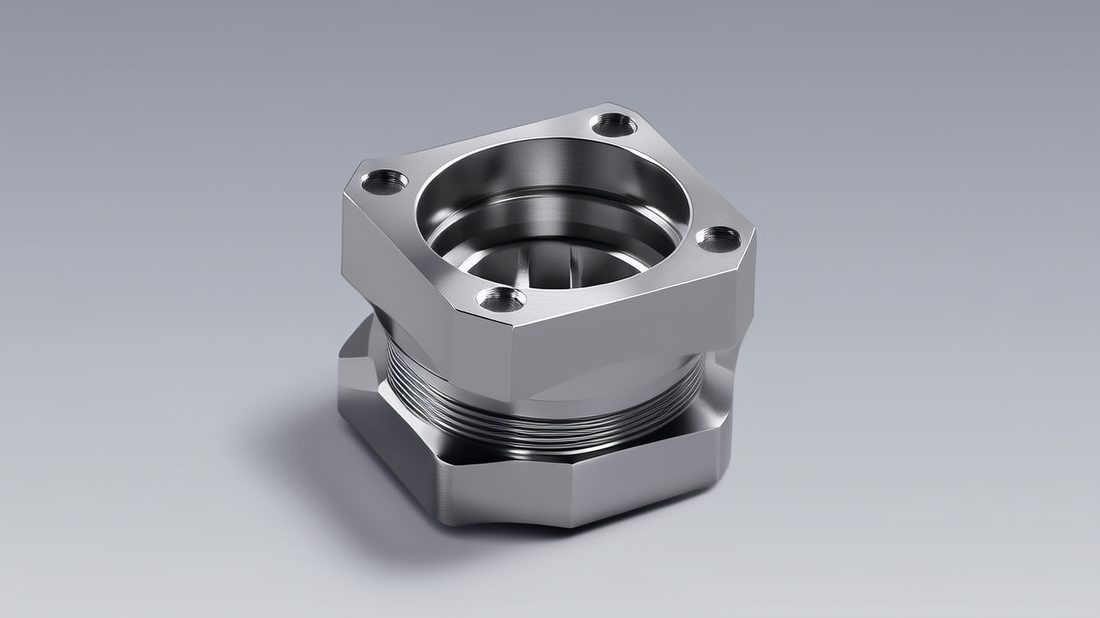
Consumer Electronics&Smart Home AI part image
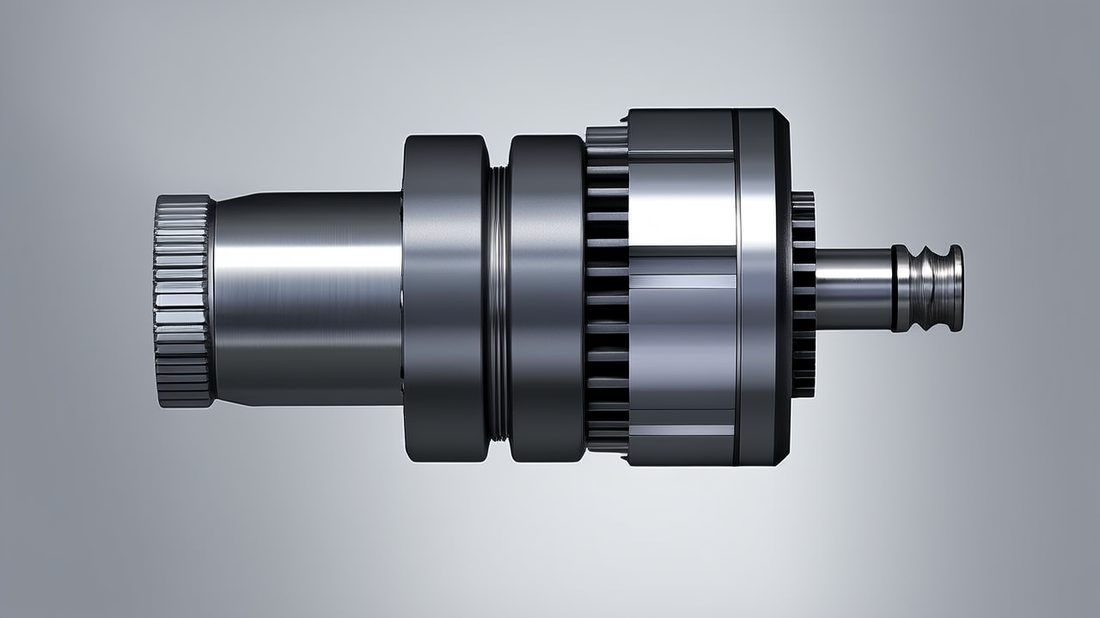
Consumer Electronics&Smart Home AI part image
FAQ: smart home components & Consumer Electronics&Smart Home Buyer Questions
A: Once a single SKU crosses a few tens of thousands of units per week, in-house CNC stops being a control lever and becomes a capacity and quality bottleneck. Outsource when your plating subcontractor is the bottleneck, a senior engineer is stuck on tolerances, or a customer asks for batch traceability you cannot produce. Past that volume, custom CNC parts are usually cheaper and more consistent outsourced.
A: The brew path needs mirror-finished stainless (down to Ra 0.2 µm, our 8K tier) plus ASTM A967 passivation, and brass valves held to a +/-0.005 mm seat — a food-grade, audited, scrap-prone finishing line. Outsourcing to a shop that runs it daily collapses your fixed cost and lifts first-pass yield, while inheriting medical-grade traceability you would otherwise build from scratch.
A: Yes. The same turn-mill compound cells run 304/316 stainless brew chambers, brass valve bodies and aluminium LED heat sinks, so your tolerances, finishes and lot records stay consistent across the appliance. Sourcing them together means one QC system and one audit trail instead of three separate shops.
A: No mill cert for the named grade, no measured first-article report, no Ra evidence on contact faces, passivation treated as optional for stainless in the brew path, and no batch traceability. Any of these means the cheapest quote is the one that becomes a field failure.
A: Our turn-mill and 5-axis cells hold +/-0.005 mm repeatably on turned features such as bores, seats and pilot diameters, with Ra 0.2 µm (8K mirror) achievable on internal and food-contact surfaces. Bores, seats and threads are cut in one setup so concentricity is locked by the machine, and every lot ships with CMM reports and first-article inspection.
A: Add the machine and tooling, operators and shifts, mirror finishing or passivation, inspection and first-article work, scrap and rework, and the traceability paperwork — not just raw material plus machine-hour. At volume the fixed cost of all of that usually exceeds a qualified partner's piece price, which already includes it.
Send us your smart home components drawing for a free DFM review — we will flag the seats, finishes and tolerances that actually decide fit and yield, and quote stainless, brass and CNC lighting parts from one Dongguan line.
Request a Free CNC Quote