LusterControl Scales to 60+ CNC Machines for Global OEM Demand (2026 Capacity News)
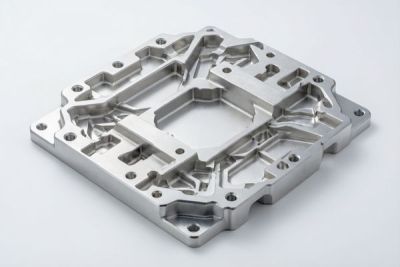
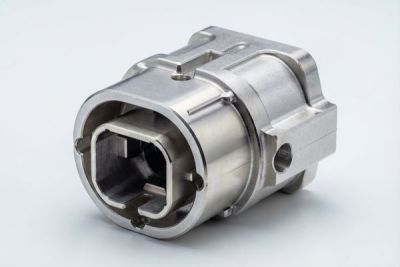
LusterControl (Dongguan Licun Technology Co., Ltd.) has spent 15 years since our 2015 founding building precision parts for OEMs across 14 industries. A LusterControl news update for 2026: we have scaled our Dongguan source-factory floor to 60+ CNC machines spanning 4,000 m², purpose-built to meet growing global OEM demand without giving up the tight tolerance and mirror finish that define our work.
In this capacity update we walk you through what 60+ machines actually buy you as a buyer: turn-mill compound machining that holds geometry in one setup, stainless steel mirror finishing to Ra 0.2 μm (8K) on a mass-production line, and the ability to move a part from a 200-piece validation to 500,000 pieces a month on the same quality system. If you are consolidating suppliers for a global program, this is the scale and the discipline behind it.
Scaling floor space is the easy part. Scaling discipline is the hard part — keeping ±0.005 mm and a clean Ra 0.2 μm mirror identical on the 500,000th part as on the first. That is what 4,000 m² and 60+ machines let us do consistently, and why global OEMs can treat us as one supplier from prototype to volume rather than juggling two.
Table of Contents
- 1. LusterControl News: Scaling to 60+ CNC Machines for Global OEM Demand
- 2. CNC Precision Machining at Scale: 60+ Machines, 500K Parts/Month
- 3. Turn-Mill Compound Machining: One Setup, Tighter Geometry
- 4. Stainless Steel Mirror Finishing on a Mass-Production Floor
- 5. Global OEM Demand: Why Brands Consolidate Suppliers in Dongguan
- 6. CNC Precision Machining Capacity: From Prototype to 500K/Month
- 7. Turn-Mill Compound Machining vs Standalone Lathe for OEM Volume
- 8. Why Global OEMs Trust LusterControl's Stainless Steel Mirror Finishing in 2026
Company CNC precision component
LusterControl News: Scaling to 60+ CNC Machines for Global OEM Demand
More floor, same discipline.
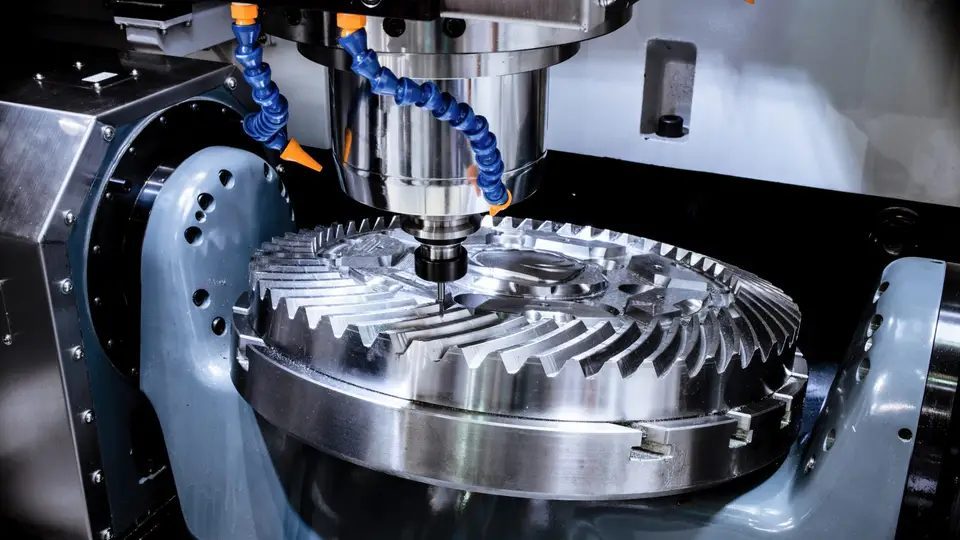
This LusterControl news note is about capacity that earns its keep. Our Dongguan plant now spans 4,000 m² with 60+ CNC machines — turn-mill compound centres, 5-axis mills, and Swiss-type lathes — zoned so a prototype cell and a mass-production line share one quality system. The point is not the square metres; it is that a global OEM can place one order and watch it scale without changing suppliers or re-qualifying a process.
- Global OEM
- A brand that designs and sells finished products worldwide and sources components from specialist factories
- CNC precision machining
- Computer-controlled cutting held to tight tolerances, typically ±0.005 mm
- Turn-mill compound machining
- A machine that turns and mills in one setup, holding geometry without re-clamping
- Mass production
- High-volume runs, here up to 500,000 precision parts per month
Company CNC precision component
CNC Precision Machining at Scale: 60+ Machines, 500K Parts/Month
Volume is only valuable if tolerance survives it.
Any factory can buy machines. The test is holding ±0.005 mm on the 500,000th part at volume. Our CNC precision machining lines do exactly that: in-process probing and SPC catch drift on the machine, not at final inspection, so a 500,000-piece month does not ship with a hidden tail of out-of-spec parts. That is the discipline global OEMs audit for.
What 60+ machines let us guarantee
| Capability | Our control | Why it matters to an OEM |
|---|---|---|
| Tolerance | ±0.005 mm standard | Fit and seal hold at volume |
| Mirror finish | Ra ≤0.6 μm, 8K Ra 0.2 μm | Look and cleanability at scale |
| Throughput | 500,000 parts/month | One supplier covers the ramp |
| Consistency | In-process SPC | No drift across the month |
- In-process gauging catches drift before QA
- First-article inspection approved before any full run
- Batch traceability ties every lot to raw stock
- One quality system from prototype to 500K/month
Turn-Mill Compound Machining: One Setup, Tighter Geometry
Fewer clamps, better parts.
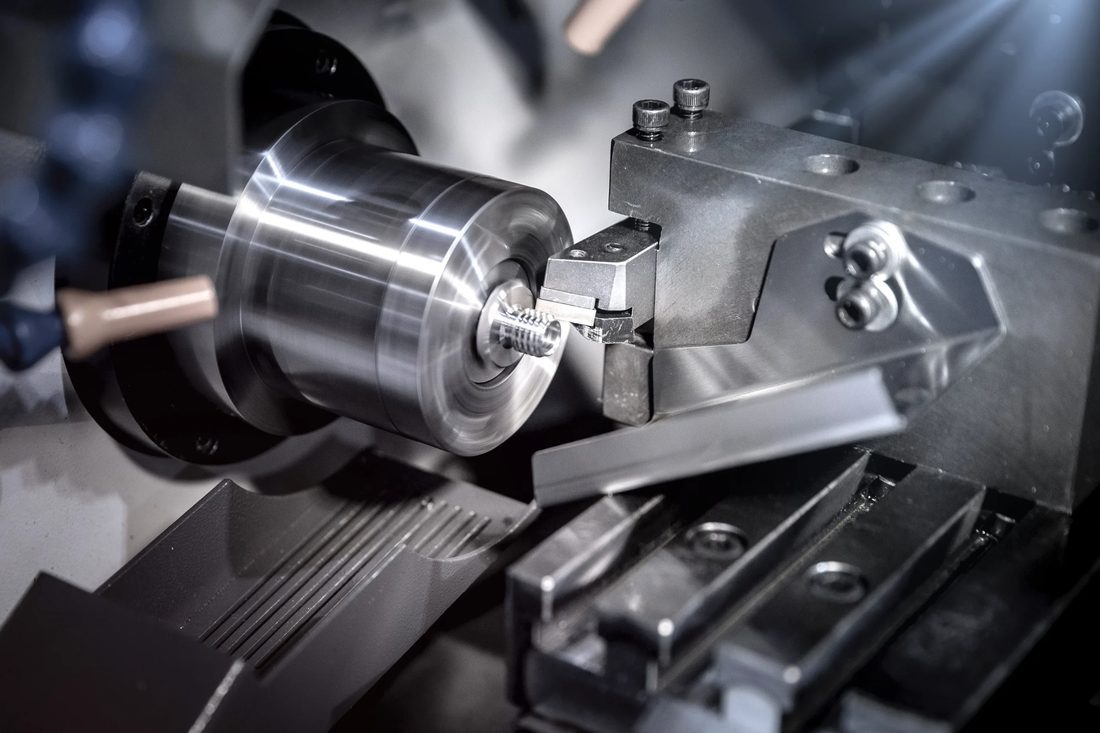
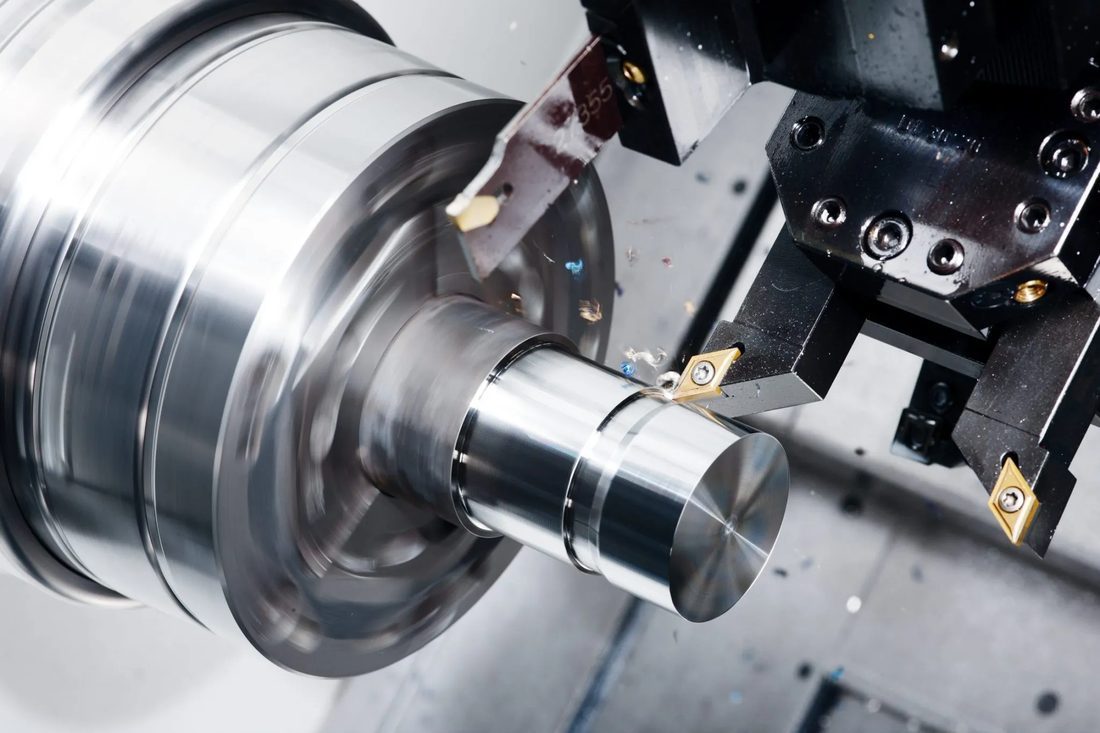
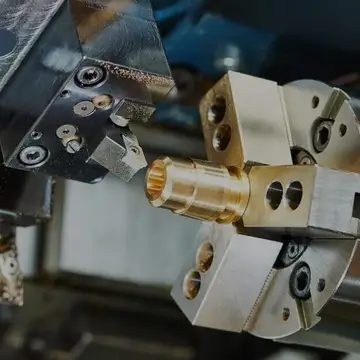
A big share of our 60+ machines are turn-mill compound centres, and they are the reason we can scale complex parts without losing accuracy. Turning and milling in one setup means the part is never re-clamped, so the datum stays true from the turned bore to the milled feature. For global OEM parts with both round and milled geometry, that single-setup discipline is what keeps ±0.005 mm across a 500,000-piece month.
Why turn-mill beats lathe-then-mill
| Factor | Lathe then mill | Turn-mill compound |
|---|---|---|
| Setups | Two, re-clamp error | One, same datum |
| Accuracy | Accumulated per setup | Held to ±0.005 mm |
| Cycle time | Longer, two fixtures | Shorter, one fixture |
| Consistency | Drift between ops | Stable across volume |
Pros
- One datum means tighter, repeatable geometry
- Shorter cycle, lower fixture cost
- Stable accuracy at 500K/month
- Ideal for round-plus-milled OEM parts
Cons
- Higher machine hourly rate
- Needs rigid workholding discipline
Company CNC precision component
Stainless Steel Mirror Finishing on a Mass-Production Floor
Mirror at volume is a process, not a polish.
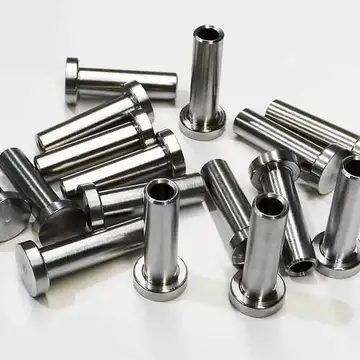
Most shops can mirror-finish a hero part. Doing it on a 500,000-piece month — Ra ≤0.6 μm as standard, 8K Ra 0.2 μm on request — is a different problem. Our stainless steel mirror finishing runs as a standard cell on the same floor as mass production, so a visible premium component and a hidden structural one share the same ±0.005 mm base and the same batch traceability.
Mirror grades we hold at volume
- 8K mirror finish
- Highest stainless decorative mirror grade; near-perfect reflective surface at Ra 0.2 μm
- Ra (roughness average)
- Arithmetic mean surface roughness in micrometres; lower means smoother
- Electropolishing
- Electrochemical smoothing and passivation for cleanability
- ASTM A967
- Standard practice for passivating stainless steel
| Finish grade | Typical Ra | Best for |
|---|---|---|
| Standard mirror | Ra ≤0.6 μm | Most visible housings, fluid parts |
| 8K mirror | Ra 0.2 μm | Premium, medical, food |
| Passivated | Per ASTM A967 | Food / medical contact |
| As-machined | Ra 1.6 μm | Hidden structural faces |
Global OEM Demand: Why Brands Consolidate Suppliers in Dongguan
One qualified supplier beats five cheap ones.
Global OEM demand is pushing brands to consolidate. Managing five sub-suppliers across three cities means five audit cycles, five lots to trace, and five chances for a tolerance to drift. A single Dongguan source factory like LusterControl — 60+ machines, 4,000 m², ISO 9001 / ISO 13485, IATF 16949 in progress — collapses that to one quality system, one audit, one traceable lot flow.
| Model | Audit load | Risk profile |
|---|---|---|
| Five sub-suppliers | Five cycles, scattered | Higher drift and trace gaps |
| One source factory | One system, one audit | Single lot flow, consistent |
- One quality system across all parts
- One audit, one certificate set
- Batch traceability from one floor
- Prototype and volume on the same machines
- Fewer hand-offs, less tolerance drift
Company CNC precision component
CNC Precision Machining Capacity: From Prototype to 500K/Month
The same floor, every stage.
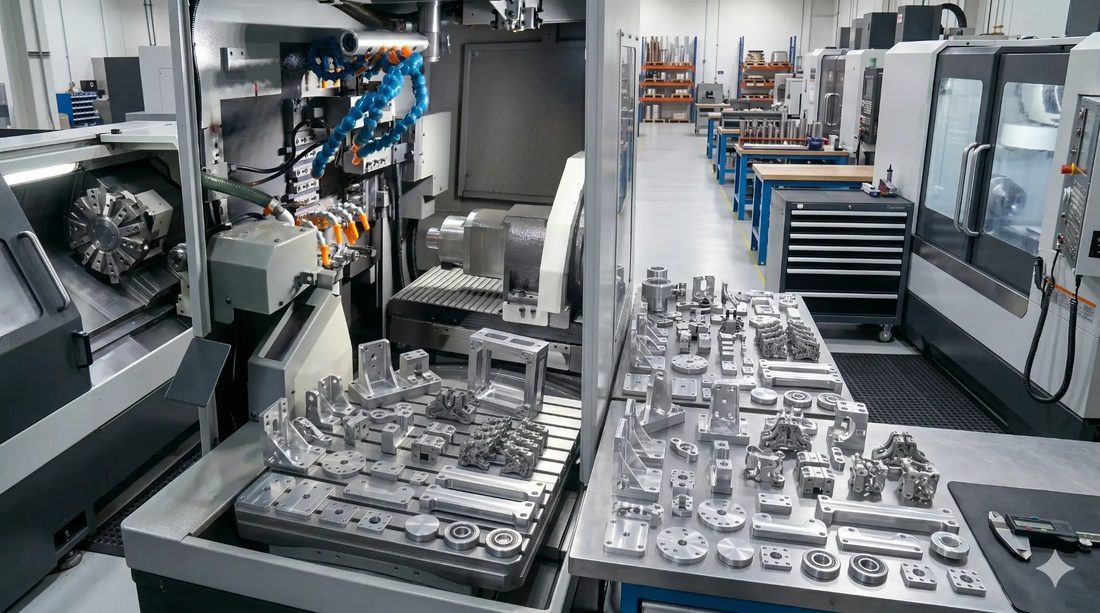
Capacity is only useful if it covers the whole product curve. Our 60+ machines and 4,000 m² floor run custom CNC parts from a 200-piece validation through pilot to 500,000 parts a month, so the prototype and the mass run share identical process control. That removes the classic risk of a prototype shop handing off to a volume shop that cannot repeat the result.
How we scale without losing the tolerance
- Send the drawing and the real fit tolerance your assembly needs
- State the target finish grade (Ra ≤0.6 μm or 8K Ra 0.2 μm)
- Flag any material certificate and ASTM A967 passivation need
- Share expected volume so we route prototype vs mass cell
- Confirm batch traceability and FAI before full run
- Plan the ramp from validation to 500K/month with one supplier
Turn-Mill Compound Machining vs Standalone Lathe for OEM Volume
Pick the process by the part, not the rate.
When scoping OEM volume, the process choice shapes both cost and quality. A standalone lathe is cheap for simple round parts; turn-mill compound machining wins the moment a part has milled features, oblique faces, or needs ±0.005 mm across both turned and milled geometry. Here is the practical split we use when advising global OEM buyers.
| Part shape | Pick standalone lathe | Pick turn-mill compound |
|---|---|---|
| Simple round shaft | Yes — cheapest | Overkill |
| Shaft + milled flat | Two setups, drift | Yes — one setup |
| Oblique feature | Hard, inaccurate | Yes — direct cut |
| Tight across ops | Accumulated error | Yes — same datum |
Pros
- Right process cuts cost on simple parts
- Turn-mill nails complex geometry in one setup
- One supplier covers both on one floor
- Mixed routing validated under one FAI
Cons
- Needs a DFM call per part, not a blanket rule
- Turn-mill has higher hourly rate
Company CNC precision component
Why Global OEMs Trust LusterControl's Stainless Steel Mirror Finishing in 2026
One floor, every grade, documented quality.
The reason global OEMs consolidate with us is the same across medical, automotive, drone and coffee-machine programs: LusterControl runs stainless steel mirror finishing as a standard cell on one Dongguan floor, so a 200-piece validation gets the identical Ra ≤0.6 μm, and 8K Ra 0.2 μm on request, as a 500,000-piece run. We serve 14 industries from 60+ CNC machines, 4,000 m² of zoned floor, and a monthly capacity of 500,000 precision parts, with annual output now exceeding ¥20 million.
Our quality ladder is consistent: ISO 9001 certified, ISO 13485 completed, and IATF 16949 in progress, applied from coffee-machine parts for De'Longhi, Donlim and Breville to medical and aerospace programs. Learn more in our CNC machining guides, read about Dongguan Licun Technology, or explore our stainless steel mirror finishing and other capabilities on the home page.
Scale means nothing if the 500,000th part is not the twin of the first article — that is the only capacity an OEM should pay for.
Company CNC precision component
Company CNC precision component
Company CNC precision component
Company CNC precision component
FAQ: LusterControl news & Company Buyer Questions
A: LusterControl runs 60+ CNC machines across a 4,000 m² Dongguan source-factory floor, zoned so prototype and mass-production cells share one quality system. The plant supports up to 500,000 precision parts per month.
A: Yes. Our CNC precision machining lines hold ±0.005 mm as standard, with in-process probing and SPC that catch drift on the machine rather than at final inspection, so tolerance stays consistent across a full monthly volume.
A: Turn-mill compound machining turns and mills a part in one setup, so the datum never changes and geometry stays true. For OEM parts with both round and milled features, that single-setup discipline is what keeps ±0.005 mm across a 500,000-piece month.
A: Yes. Our stainless steel mirror finishing runs as a standard cell on the same floor as mass production: Ra ≤0.6 μm as standard and 8K Ra 0.2 μm on request, with electropolishing or ASTM A967 passivation where cleanability dominates — identical on a 200-piece validation and a 500K run.
A: We are ISO 9001 certified, ISO 13485 completed, with IATF 16949 in progress. Every lot ships with incoming batch traceability and material certificates, audit-ready on request under the relevant standard — exactly what global OEMs require.
A: Yes. The same Dongguan floor runs custom CNC parts from a 200-piece validation through pilot to 500,000 parts per month, so the prototype and the mass run share identical process control, first-article records and batch traceability.
Send us your drawing for a free DFM review, and our Dongguan engineering team will confirm the right process — turn-mill compound or standalone — the CNC precision machining tolerance, and the stainless steel mirror finishing grade your next global OEM program needs, scalable from validation to 500,000 parts a month.
Request a Free CNC Quote