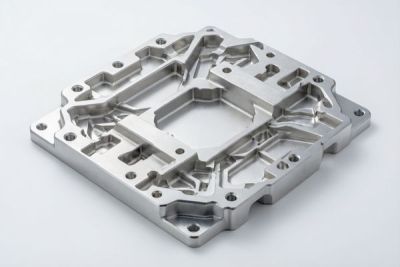
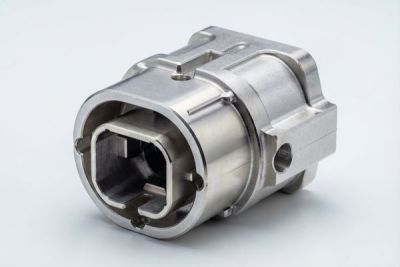
Coffee Machine Parts: Why Brass & Stainless Rule
If you source espresso or drip coffee machine parts, you have probably noticed the same two metals everywhere — brass in the brew path, stainless on everything that touches water and gets seen. That is not tradition for its own sake. The brew chamber, group head and steam wand live in a hostile place: hot, wet, pressurized, and constantly disassembled for cleaning. The metal you pick decides whether the machine tastes clean, holds temperature, and survives a decade of daily pulls.
This 2026 industry insight is written from the buyer's side of the table. We walk through why brass machining still owns the brew chamber, where stainless steel parts earn their place (and their mirror finish), how smart home components are changing what a coffee machine asks of its mechanics, and why custom CNC parts beat a catalog part when the geometry is yours. By the end you should know which metal to put on which component — and which specs to demand from a supplier.
The practice below is how Dongguan Licun Technology (brand LusterControl) machines coffee and appliance parts daily — the same 60-machine, 4,000 m2 Dongguan source factory that holds +/-0.005 mm and an 8K Ra 0.2 micrometer mirror finish on stainless and brass under ISO 9001 and ISO 13485 control, with IATF 16949 in progress, and already a precision-parts supplier to De'Longhi, Donlim and Breville.
Table of Contents
- 1. Coffee Machine Parts: Why Brass & Stainless Rule the Brew Path
- 2. Brass Machining: The Material Behind the Brew Chamber
- 3. Stainless Steel Parts: Where Hygiene Meets 8K Mirror Finish
- 4. Smart Home Components: When the Coffee Machine Gets Connected
- 5. Custom CNC Parts: Matching Geometry to Your Brew System
- 6. Coffee Machine Parts Material Showdown: Brass vs Stainless Steel
- 7. Brass Machining or Stainless Steel Parts: Which for Your Component?
- 8. Coffee Machine Parts Buyer's Checklist: 7 Specs to Put on the Drawing
- 9. Coffee Machine Parts Sourcing: Red Flags and the LusterControl Capability
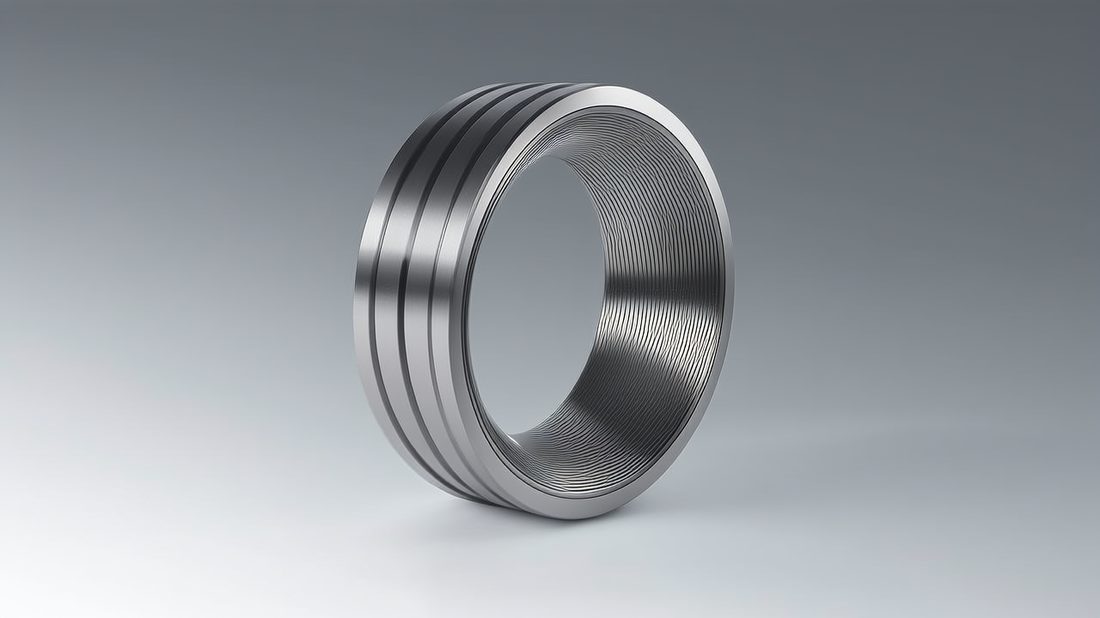
Consumer Electronics&Smart Home AI part image
Coffee Machine Parts: Why Brass & Stainless Rule the Brew Path
The brew path decides the metal, not the other way around.
The brew path is the set of components water actually flows through on its way to your cup: the boiler or thermoblock, the brew chamber, the group head, the shower screen, the steam wand and the valves. Every one of those lives at 90-96°C, under pressure, in contact with water and coffee oils. In that environment two materials dominate — brass for heat-loving, tight-tolerance fluid parts, and stainless for surfaces that must stay clean and corrosion-free.
What the brew path actually puts a metal through
Heat cycles the metal thousands of times a year. Water carries dissolved minerals that plate onto rough surfaces. Coffee oils turn rancid on a porous finish. And the user takes the group head apart every week. A material that machines to a tight, clean, sealed geometry and keeps doing so for years is the whole game — which is exactly why coffee machine parts settle on brass and stainless.
- Brew path
- The internal route water takes from the boiler to the cup — boiler, chamber, group head, shower screen, valves and wand.
- Group head
- The metal block that distributes pressurized water through the coffee puck; typically stainless, mirror-finished for clean extraction.
- Lead-free brass
- Brass grades (e.g. CW617N, DZR) formulated so drinking-water contact stays within modern lead limits.
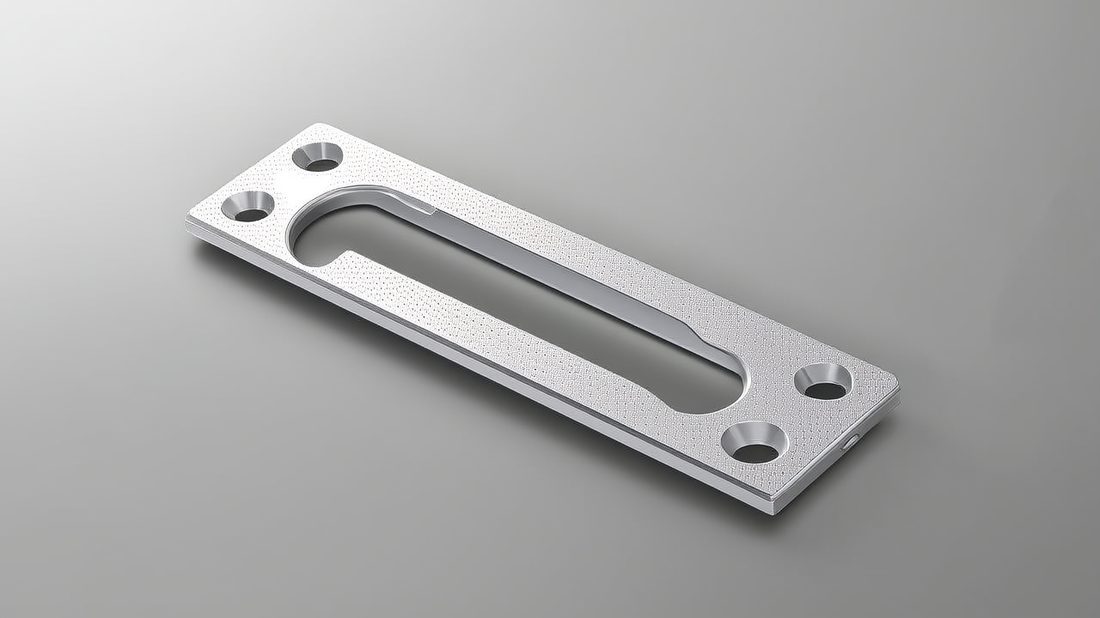
Consumer Electronics&Smart Home AI part image
Brass Machining: The Material Behind the Brew Chamber
It cuts clean, seals tight, and carries heat.
Brass has been the default brew-chamber metal for generations, and the reason is boring in the best way: it machines beautifully, seals tightly, and carries heat where stainless cannot. On a CNC lathe brass cuts like butter, holds fine threads and small bores, and leaves a surface smooth enough that scale has nowhere to grip. That is why boilers, valves and many fittings are still brass even on premium machines.
Why brass still wins the boiler
- High thermal conductivity keeps brew temperature stable between shots
- Excellent machinability (free-cutting grades) gives tight threads, clean bores, low cycle time
- Easy to solder or braze to copper lines used in the fluid system
- Readily available lead-free grades (CW617N, DZR) for drinking-water contact
- Polishes to a clean, scale-resistant surface without exotic tooling
The honest caveat is lead. Old brass used lead to improve machinability, and lead has no business in a beverage path. Modern sourcing specifies lead-free brass (CW617N or DZR) and asks for the material cert — the same discipline LusterControl applies with incoming-batch traceability on every coffee machine parts lot.
| Brass grade | Lead-free? | Use in coffee machine | Machinability |
|---|---|---|---|
| CW617N (CuZn40Pb2) | Lead-free compliant | Brew chamber, valves, fittings | Excellent |
| DZR brass (CW602N) | Low-lead, dezincification resistant | Boilers, water-contact bodies | Excellent |
| C3604 (legacy) | Contains lead | Non-food or secondary only | Best, but not for drinking path |
Stainless Steel Parts: Where Hygiene Meets 8K Mirror Finish
Not a heat conductor — a cleanability champion.
Stainless takes over everywhere the part is seen, handled, or must stay surgically clean: group heads, steam wands, portafilters, shower screens and the visible body panels. Its job is not to conduct heat (it is a poor conductor) but to resist corrosion, shrug off coffee oils, and present a surface so smooth that nothing sticks or stains.
Why the mirror finish is a hygiene feature, not a luxury
A standard stainless surface can hold micro-pits where coffee oil oxidizes and bacteria hide. Polishing to a standard Ra <= 0.6 micrometer — and up to an 8K mirror Ra 0.2 micrometer — closes those pits so the part rinses clean and passes inspection. After machining, passivation per ASTM A967 strips free iron from the surface and rebuilds the chromium oxide layer that makes stainless stainless.
- Mirror finish (8K)
- A polished stainless surface reaching Ra 0.2 micrometer, visually reflective and near-non-porous.
- Passivation (ASTM A967)
- A nitric or citric acid treatment that removes free iron and restores corrosion resistance.
- Ra (roughness average)
- A surface texture metric in micrometres; lower means smoother and easier to clean.
| Stainless grade | Corrosion resistance | Typical coffee-part use | Finish achievable |
|---|---|---|---|
| 304 | Good, food-grade | Group head, wand, body | 8K Ra 0.2 micrometer |
| 316L | Better (molybdenum) | High-end, humid or coastal use | 8K Ra 0.2 micrometer |
| 430 (ferritic) | Moderate | Low-cost visible parts | Brushed or polished |
Consumer Electronics&Smart Home AI part image
Smart Home Components: When the Coffee Machine Gets Connected
The wet half and the smart half share one tolerance stack.
The connected coffee maker is now a smart-home node: it weighs beans, logs shots to an app, schedules brews, and talks to the rest of the kitchen. That does not change the brew path's metallurgy, but it adds a layer of smart home components — sensor brackets, actuator housings, valve drivers and enclosure parts — that must sit precisely against the same fluid system without leaking or rattling.
Where the mechanics meet the electronics
Every sensor and actuator still bolts to a machined bracket or seats in a milled pocket. If that pocket is a few tenths out, the sensor reads drift, the valve actuator binds, or the enclosure seam leaks steam. So the smart home components around a coffee machine inherit the same +/-0.005 mm discipline as the brew parts — the enclosure is the other half of the seal. Learn more on our about page or browse related capability notes on our blog.
- Smart home component
- A mechanical or enclosure part that hosts sensors, actuators or modules in a connected appliance.
- Actuator housing
- The milled body that holds a motor or solenoid driving a valve or grinder.
- Sealing pocket
- A machined recess that receives a gasket or O-ring to keep steam and water contained.
| Component | What it must do | Tolerance we hold |
|---|---|---|
| Sensor bracket | Hold probe position against thermal drift | +/-0.01 mm |
| Valve actuator housing | Seat solenoid square to the fluid path | +/-0.005 mm |
| Enclosure seam | Close the EMI and steam path | +/-0.01 mm flatness |
Custom CNC Parts: Matching Geometry to Your Brew System
The geometry should match your system, not the other way around.
Most coffee-machine brands do not buy a generic boiler and bolt it in — they design the chamber, the group and the wand to their own flow, their own look and their own service procedure. That is where custom CNC parts beat a catalog part. You get the thread, the bore, the sealing face and the brand's own external form in one coordinated part, instead of adapting three off-the-shelf pieces and hoping the stack-up holds.
Prototype to volume without re-tooling the relationship
- Send the drawing (or a concept) for a free DFM review
- We flag impossible bores, unsafe wall thickness and finish-vs-flatness conflicts
- First article cut on the same cell that runs production
- Volume scales on 60+ CNC machines with batch traceability
Turn-mill and 5-axis cells cut the chamber, the threads and the sealing face in one setup, so the brew face stays referenced to the same datum as the mounting features. Swiss-type turning handles the small, high-volume fittings repeatably. The point of custom CNC parts is not novelty — it is that the geometry matches your system instead of the other way around. Start a review on our inquiry page.
Consumer Electronics&Smart Home AI part image
Coffee Machine Parts Material Showdown: Brass vs Stainless Steel
It is a per-component decision, not one choice.
Buyers ask 'brass or stainless?' as if it were one decision. It is really a per-component decision. The brew chamber wants brass's heat; the group head wants stainless's cleanability. Here is the honest comparison for coffee machine parts.
| Factor | Brass (lead-free) | Stainless (304/316L) |
|---|---|---|
| Thermal conductivity | ~109 W/mK - fast, stable heat | ~16 W/mK - poor conductor |
| Machinability | Excellent, low cycle time | Harder, slower, work-hardens |
| Cleanability | Good when polished | Best - 8K mirror, passes QA easily |
| Corrosion resistance | Good; needs lead-free grade | Excellent, food-grade |
| Best coffee-part use | Boiler, brew chamber, valves | Group head, wand, shower screen |
| Relative cost | Lower | Higher |
Pros
- Faster warm-up and steadier temperature shot to shot
- Cheaper and faster to machine fine threads and bores
- Tight sealing faces hold easily on rigid cells
Cons
- Must be lead-free for any drinking-water path
- Softer - scratches more in daily service
- Can tarnish if not maintained
Pros
- Best hygiene and corrosion resistance
- Mirror finish reads as premium and validated
- Food-grade, easy to pass QA with passivation on file
Cons
- Poor heat conductor - not a boiler metal
- Higher machining cost per part
- Work-hardens, needs rigid 5-axis cells
Brass Machining or Stainless Steel Parts: Which for Your Component?
A decision table beats a guess.
Use a decision table, not a guess, and match the component's job to the metal. The same approach works whether you are sourcing a single fitting or a full brew assembly of coffee machine parts.
| Component job | Recommended material | Why it wins |
|---|---|---|
| Boiler / thermoblock | Lead-free brass | Conducts heat, seals, machines fast |
| Brew chamber body | Lead-free brass | Temperature stability shot to shot |
| Group head | Stainless 304/316L | Mirror-clean, food-grade, visible |
| Steam wand | Stainless 304/316L | Corrosion-proof, polishes clean |
| Valves / fittings | Brass or stainless | Brass for cost, SS for corrosion |
| Sensor / actuator brackets | Stainless or aluminum | Dimensional stability, light |
- Choose brass machining if: the part carries or stabilizes heat (boiler, chamber)
- Choose brass machining if: you need fine threads and bores at low cost
- Choose brass machining if: it is a sealed, non-visible fluid component
- Choose stainless steel parts if: the part is seen, handled or must read premium (group head, wand)
- Choose stainless steel parts if: it contacts coffee oils and must rinse perfectly clean
- Choose stainless steel parts if: you need food-grade validation with passivation on file
For the mirror surface itself, see our deep dive on how we reach 8K Ra 0.2 micrometer on stainless in our 8K mirror finish guide, and read how we approach flatness on power parts on our about page.
Consumer Electronics&Smart Home AI part image
Coffee Machine Parts Buyer's Checklist: 7 Specs to Put on the Drawing
Seven items that keep the part real.
- Material grade - lead-free brass (CW617N/DZR) or stainless 304/316L, with mill cert
- Brew-path finish - Ra <= 0.6 micrometer standard, 8K Ra 0.2 micrometer option where cleanability matters
- Sealing-face flatness - a number, e.g. +/-0.005 mm, not just 'precision'
- Passivation - ASTM A967 for stainless water-contact parts
- Threads and bores - call out pitch, class and sealing method
- Batch traceability - material lot tied to the part for field failures
- Quality paperwork - CMM report, first-article, under ISO 9001 / ISO 13485
Common mistakes buyers make on coffee machine parts
- Writing 'brass' with no lead-free grade, inviting a compliance problem
- Specifying a mirror finish but forgetting the flatness that actually seals
- Treating the group head as decorative, not as a sealing and extraction surface
- Leaving sensor/actuator pockets off the brew-part drawing, so they fight the fluid path
- No batch traceability, so a leak in the field cannot be tied to stock
Send those seven items and a supplier can run a free DFM review and tell you which metal fits which component, which flatness number protects your seal, and where passivation must land. That conversation before cutting beats a thermal report after shipment. Start one on our inquiry page, or read more capability notes on our blog.
Coffee Machine Parts Sourcing: Red Flags and the LusterControl Capability
What a qualified brew-parts shop shows without asking.
- No lead-free grade or mill cert on brass water-contact parts
- No flatness number at the sealing face, only a vague 'high precision'
- No passivation (ASTM A967) paperwork on stainless
- Mirror finish claimed but flatness unstated
- No batch traceability tying a failure to material and process
- Cannot show coffee, appliance or food-grade relevant experience
With 500K parts per month across coffee, medical, automotive, semiconductor and electronics work, the same cells that build your brass brew chamber and stainless group head also run parts held to medical and automotive discipline - so your coffee machine parts leave production-ready, not prototype-lucky. A UAV customer's first order reached 1.2 million RMB and annual output now exceeds 20 million RMB, a scale that keeps the cells busy and the process proven. Learn more on our about page or browse related capability notes on our blog.
Consumer Electronics&Smart Home AI part image
Consumer Electronics&Smart Home AI part image
Consumer Electronics&Smart Home AI part image
Consumer Electronics&Smart Home AI part image
FAQ: coffee machine parts & Consumer Electronics&Smart Home Buyer Questions
A: It is per-component. Use lead-free brass (CW617N/DZR) for the boiler, brew chamber and valves where heat stability and machinability win; use stainless 304/316L for the group head, steam wand and shower screen where cleanability, corrosion resistance and a premium mirror finish matter. Write the grade on the drawing either way.
A: Passivation per ASTM A967 removes free iron from the machined surface and restores the chromium oxide layer that gives stainless its corrosion resistance. On a water-contact part that means the surface stays clean and resists rust spotting through years of daily brewing.
A: A standard Ra <= 0.6 micrometer is cleanable; an 8K mirror Ra 0.2 micrometer is the premium option for group heads and steam wands because it closes micro-pits where coffee oil hides. But always pair the finish with a flatness number (e.g. +/-0.005 mm) - the seal depends on shape first, finish second.
A: Old brass used lead to improve machinability, and lead has no place in a drinking-water path. Modern sourcing specifies lead-free grades (CW617N, DZR) and asks for the mill cert. A supplier quoting plain 'brass' with no lead statement is a compliance risk.
A: LusterControl holds sealing and interface faces to +/-0.005 mm, with a flatness callout at the device interface. A flat, slightly rougher face beats a mirror face that is wavy - the part seals to the shape first. Demand a flatness number, not just a finish word.
A: A lead-free grade with mill cert, a stated finish and flatness, ASTM A967 passivation on stainless, batch traceability, and CMM/first-article paperwork under ISO 9001 / ISO 13485. Red flags: no grade cert, no flatness number, no passivation record, no traceability.
Send us your coffee machine part, brew-chamber or enclosure drawing for a free DFM review - we will flag the brass-vs-stainless call, the finish-and-flatness spec, and the sealing faces that actually decide whether your machine brews clean and lasts.
Request a Free CNC Quote