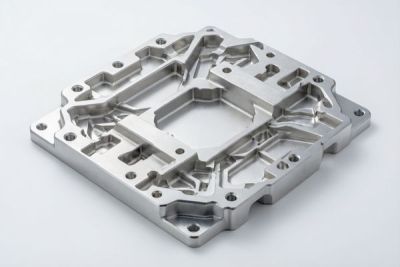
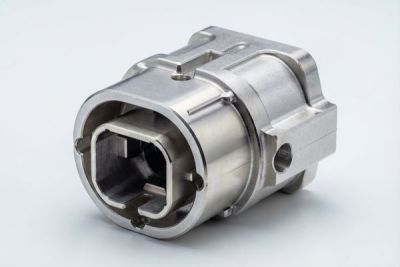
LusterControl Reaches ISO 13485 Milestone for Medical CNC Parts
LusterControl has completed its ISO 13485 quality system for medical-device CNC machining — a milestone that matters directly to the surgical-instrument and implant buyers who specify us. It is the formal recognition that our processes for risk management, material control and traceability meet the bar the medical industry expects.
In this update we explain what the certification changes for your supply chain, the part types we now machine under it, and the process controls — Ra <= 0.6 um mirror finishing, +/-0.005 mm tolerance and batch-level traceability — that back it up.
It is the latest step on a quality ladder that started with ISO 9001 in our early years and now points toward IATF 16949 for automotive-grade work.
Table of Contents
- 1. LusterControl News: ISO 13485 Completion Marks a Medical Machining Milestone
- 2. What ISO 13485 Machining Means for Medical Device Components
- 3. How CNC Precision Machining Supports Surgical-Grade Parts
- 4. Stainless Steel Mirror Finishing for Implantable and Instrument Housings
- 5. From ISO 9001 to ISO 13485: LusterControl's CNC Precision Machining Quality Ladder
- 6. Medical Device Components We Machine Under ISO 13485
- 7. Why Buyers Choose LusterControl for ISO 13485 Machining
- 8. LusterControl News: Next Steps After the ISO 13485 Milestone
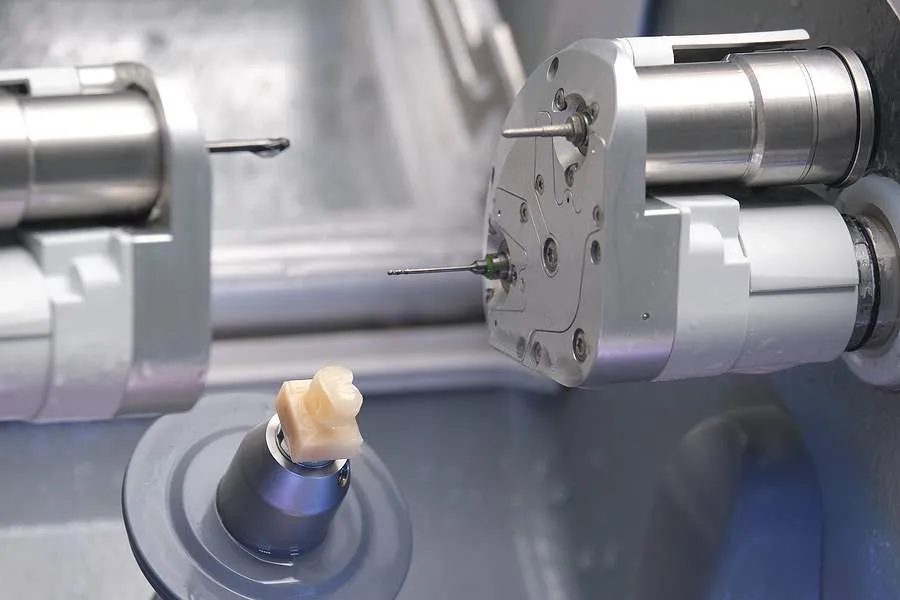
Company: factory
LusterControl News: ISO 13485 Completion Marks a Medical Machining Milestone
A short, plain-language summary of what changed and why it matters to buyers.
Founded in 2015, LusterControl (Dongguan Licun Technology Co., Ltd.) has spent 15 years specializing in CNC stainless-steel mirror finishing. Completing ISO 13485 is the point where that experience is locked into a documented, auditable medical-quality system rather than staying informal know-how.
What changed for our medical line
- A documented risk-management process applied to every medical job
- Tighter material certification and lot-control from incoming stock
- Audit-ready records for every medical batch we ship
Company: team
What ISO 13485 Machining Means for Medical Device Components
The standard is about risk management, not just hitting a tolerance.
Many shops can hold a tight tolerance. Far fewer can prove, batch after batch, that the process is controlled, documented and improvable. That is the heart of ISO 13485 for medical device components: predictable outcomes for parts that end up in bodies or life-science equipment.
| Dimension | ISO 9001 (general) | ISO 13485 (medical) |
|---|---|---|
| Focus | Customer satisfaction | Patient-safety risk management |
| Material control | Basic incoming check | Certified stock + lot segregation |
| Records | Order-level | Batch-level, audit-ready |
| Change control | Ad hoc | Documented and verified |
For a buyer, the practical difference is simple: when you ask 'can you prove this lot was made to plan?', an ISO 13485 shop can answer yes with evidence.
How CNC Precision Machining Supports Surgical-Grade Parts
Tolerance and repeatability are where the metal meets the spec.
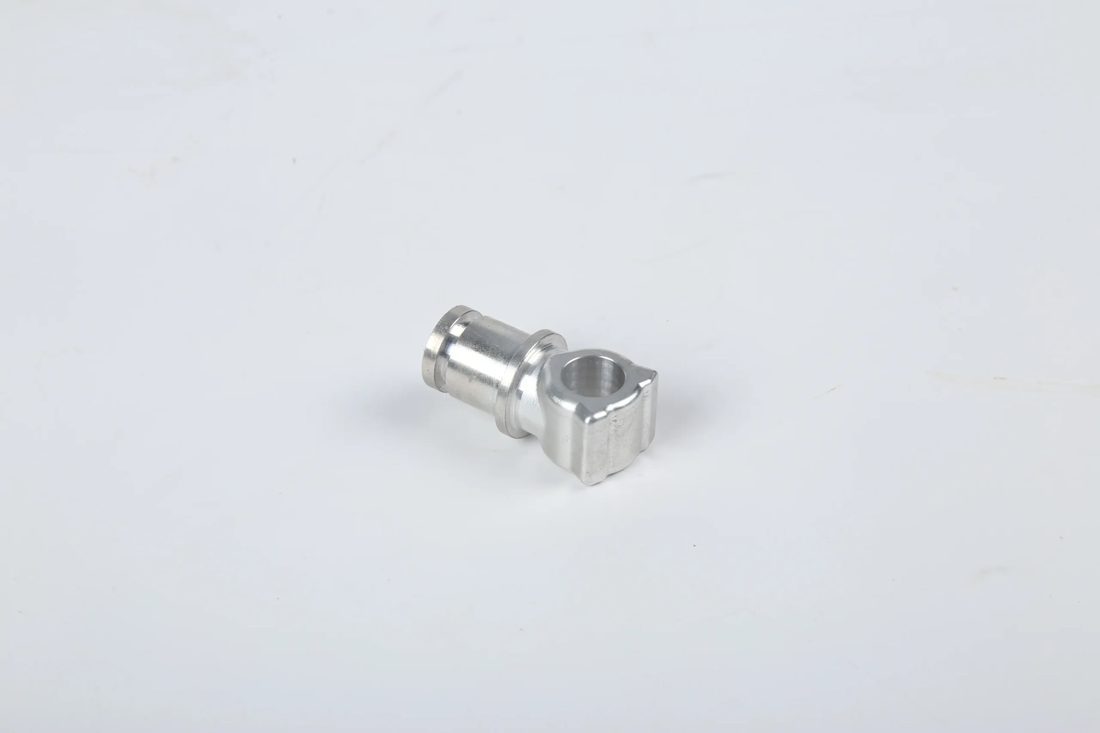
Surgical-grade parts live or die on consistency. Our 60 CNC machines across a 2,000 m2 Dongguan plant let us hold the same numbers on the first part and the fifty-thousandth, which is what medical programs actually require.
The numbers we hold
These are not marketing figures — they are the controls we publish to buyers during quote and DFM review, and they are what the ISO 13485 system now documents end to end.
Company: warehouse
Stainless Steel Mirror Finishing for Implantable and Instrument Housings
Surface finish is a safety and cleanability issue in medicine, not just looks.
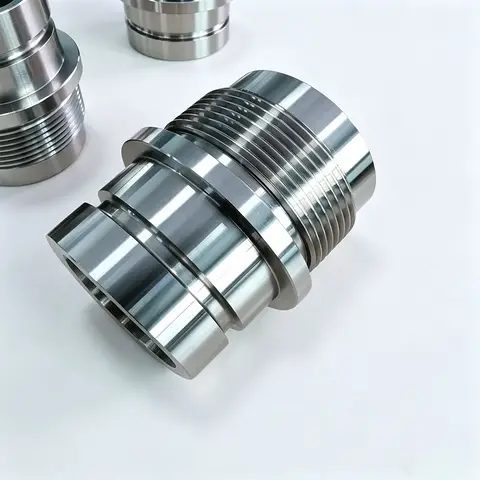
Stainless steel mirror finishing is one of our core competencies, and it matters enormously for medical housings: a smoother surface leaves less room for bacterial adhesion and is far easier to clean and validate.
Why finish grade matters in medical
- Reduces bacterial adhesion on instrument and implant surfaces
- Simplifies cleaning validation and reprocessing
- Improves seal fit on fluid-path and housing parts
From ISO 9001 to ISO 13485: LusterControl's CNC Precision Machining Quality Ladder
Certifications are a sequence, not a single trophy.
Quality at LusterControl was built in stages. Each step raised the bar on documentation and control before the next one began.
- ISO 9001 established our baseline quality management system
- Stainless-steel mirror finishing was standardized to Ra <= 0.6 um
- Batch-level traceability was rolled out across all CNC lines
- ISO 13485 was completed for medical-device CNC machining
- IATF 16949 is now in progress for automotive-grade programs
This ladder is why a buyer can start with a simple component and later trust us with a regulated medical or automotive part from the same source factory.
Company: metal
Medical Device Components We Machine Under ISO 13485
A practical list of what we already run in the medical program.
| Part family | Typical material | Finish / tolerance |
|---|---|---|
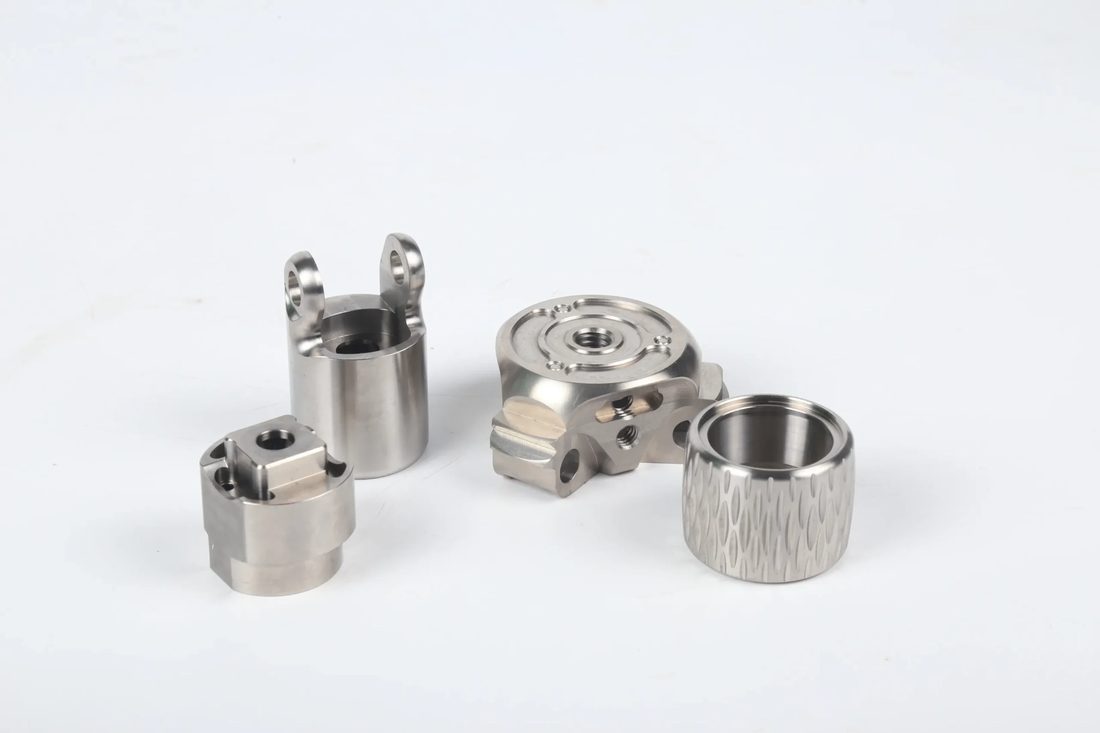
| Surgical instrument bodies | Stainless 304 / 316L | Ra <= 0.6 um, +/-0.005 mm |
| Implantable housings | Titanium / 316L | 8K mirror on request |
| Scanner and imaging parts | Aluminum 6061 / 7075 | Anodize-ready, tight flatness |
| Fluid-path and valve parts | Stainless steel | Mirror seal surfaces |
If your part is not on the list, send the drawing — our engineering team will tell you quickly whether ISO 13485 machining fits and where the risk controls apply.
Why Buyers Choose LusterControl for ISO 13485 Machining
Source-factory economics plus medical-grade discipline.
Buyers come to us for two reasons at once: the cost structure of a Dongguan source factory, and the discipline of a certified medical process. We supply precision parts to well-known appliance brands such as De'Longhi, Donlim and Breville, and one coffee-equipment OEM improved cosmetic consistency by 30% after switching to our mirror finishing.
What to expect when you send a drawing
- Send us your drawing for a free DFM review
- We confirm material certification and lot control up front
- We machine and finish to Ra <= 0.6 um mirror standard
- We return batch-level traceability records with the shipment
Company: machining
LusterControl News: Next Steps After the ISO 13485 Milestone
Completion is a beginning, not a finish line.
With ISO 13485 complete, the immediate next step is IATF 16949, which extends the same rigor to automotive and EV programs. We are also expanding our electrolytic polishing line to add mirror-finishing capacity without sacrificing the traceability the medical system demands.
Company: robotic,arm
Company: engineering
Company: welding
Company: meeting
FAQ: LusterControl news & Company Buyer Questions
A: LusterControl has completed its ISO 13485 quality system for medical-device CNC machining, building on its existing ISO 9001 certification, with IATF 16949 in progress.
A: Primarily stainless steel 304 and 316L, plus titanium for implantable housings and aluminum 6061/7075 for scanner and imaging parts.
A: Yes. Ra <= 0.6 um is our standard mirror finish, and we offer 8K (Ra 0.2 um) stainless-steel mirror finishing on request for high-visibility medical products.
A: Yes. Every medical batch ships with material certification and batch-level traceability records, which is a core requirement of our ISO 13485 system.
A: We hold +/-0.005 mm on our CNC precision machining lines, with 60 machines across a 2,000 m2 Dongguan plant for volume and repeatability.
A: Yes. IATF 16949 is currently in progress, extending the same documented quality controls from medical to automotive and EV components.
Send us your drawing for a free DFM review on your next medical CNC part, and we will confirm material, finish and traceability up front.
Request a Free CNC Quote