Smart Home Brands Outsource CNC Precision Machining: 2026 Risks & Reasons
If you source hardware for a smart home brand, you already know the uncomfortable truth: the catalog part that looks perfect on the distributor's website rarely fits your enclosure, your gasket, or your assembly line. The tolerance that mattered was never on the datasheet. That gap is exactly why more smart home brands in 2026 are moving from off-the-shelf fasteners and brackets to outsourced CNC precision machining.
This guide is written for the buyer, the mechanical engineer, and the sourcing lead — not the factory sales desk. We walk through the genuine reasons brands hand precision work to a CNC partner, the five risks that actually bite when you outsource, and the concrete checks you should run before you place the first order. Every number here comes from a real Dongguan source factory that has machined parts for De'Longhi, Donlim and Breville.
You will leave with a sourcing checklist you can paste into your next RFQ, plus an honest view of where CNC wins and where it quietly loses against die casting at very high volumes.
Table of Contents
- 1. What Smart Home Components Actually Require from Precision CNC
- 2. Why Brands Choose Custom CNC Parts Over Catalog Hardware
- 3. The Case for CNC Precision Machining in Smart Home Housings
- 4. Brass Machining for Smart Home Connectors and Valve Bodies
- 5. Stainless Steel Parts for Durable Smart Home Hardware
- 6. Smart Home Components: 5 Outsourcing Risks You Must Control
- 7. Custom CNC Parts: A Buyer's Sourcing Checklist for 2026
- 8. CNC Precision Machining vs Die Casting for Smart Home Volumes
Consumer Electronics&Smart Home AI part image
What Smart Home Components Actually Require from Precision CNC
Before you outsource anything, name the parts and the tolerances that decide whether your product feels premium or feels cheap.
A smart home device is a stack of small, unforgiving parts: sensor housings, motor brackets for motorized blinds, connector bodies for power and data, valve seats for water modules, and decorative trims that customers touch every day. Each one looks trivial until it does not fit. When you move from a prototype to ten thousand units, the difference between a part that snaps in and a part that needs a file is usually a few microns of position tolerance — and that is precisely what CNC precision machining is built to hold.
Housings, brackets and connector bodies
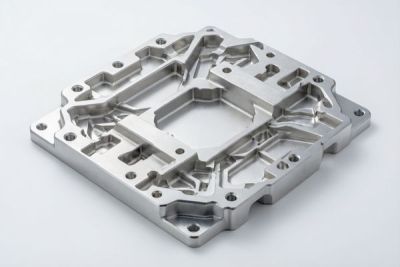
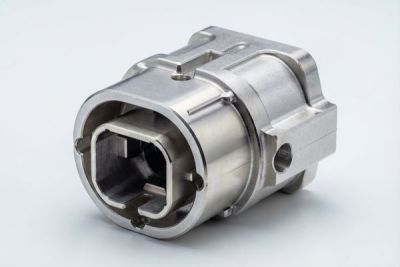
Housings protect electronics from dust and fingers. Brackets carry loads from small motors. Connector bodies must seal against both vibration and humidity. For all three, the buyer-facing spec is rarely the headline number; it is the relationship tolerance between two bores, or the flatness of a mating face. A source factory running 60+ CNC machines and holding ±0.005 mm can hold those relationships consistently across a batch, which is what keeps your assembly yield up.
Why surface finish decides perceived quality
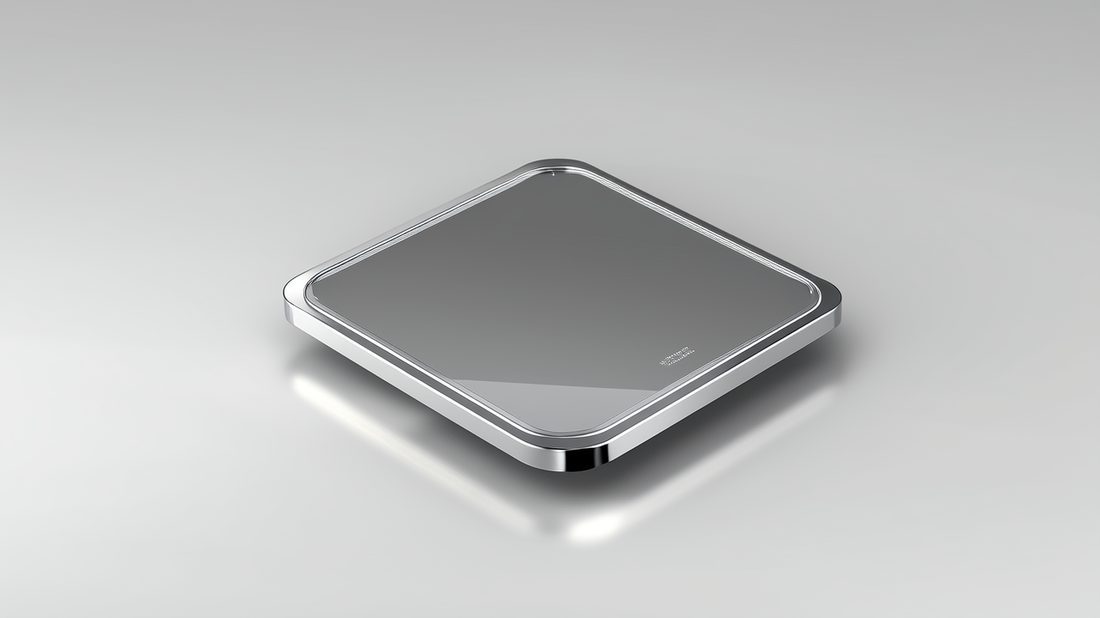
In appliances and smart home hardware, the surface the customer sees is the brand. A standard mirror finish of Ra ≤ 0.6 μm reads as 'engineered'; an 8K mirror at Ra 0.2 μm reads as 'premium'. Smart home components that sit on a counter or a wall live or die on that first tactile impression, which is why brands increasingly specify machined and mirror-finished parts instead of raw die-cast surfaces that need secondary plating.
- Tolerance
- The permitted deviation from a nominal dimension, e.g. ±0.005 mm. Tighter tolerance means a costlier setup but a more repeatable fit.
- Smart home component
- Any machined part inside a connected appliance or fixture: housing, bracket, connector, valve seat, trim, or gear.
| Part type | Typical material | Tolerance you should specify | Why it matters |
|---|---|---|---|
| Sensor housing | 304 stainless / aluminum | ±0.02 mm, flatness 0.03 mm | Keeps the seal and the PCB aligned |
| Motor bracket | Aluminum 6061 / steel | ±0.01 mm, bore-to-bore 0.02 mm | Stops motor wobble and noise |
| Connector body | Lead-free brass CW617N | ±0.015 mm, thread class 6H | Seals against humidity and vibration |
| Valve seat | 316L stainless | ±0.01 mm, Ra 0.4 μm seat | Prevents drip and creep |
| Decor trim | 304 stainless, 8K mirror | ±0.05 mm, Ra 0.2 μm | The tactile 'premium' cue |
Consumer Electronics&Smart Home AI part image
Why Brands Choose Custom CNC Parts Over Catalog Hardware
Catalog parts win on price for one unit. They lose on fit, lead time, and branding for ten thousand.
The temptation is real: a catalog bracket costs cents and ships tomorrow. But the moment your enclosure changes by two millimeters — which it will, because industrial design always changes — the catalog part no longer fits, and now you are hand-modifying ten thousand pieces or redesigning around someone else's geometry. Custom CNC parts let your mechanical team own the geometry, so the part follows the product instead of the product following the part.
The fit problem with catalog parts
Catalog hardware is optimized for the catalog maker's average use case, not yours. Thread pitch, standoff height, and mounting-hole pattern are fixed. When your smart-home module needs a non-standard standoff or an integrated cable clip, you either accept a compromise or pay a premium for a 'modified standard' that still was not designed for you. Custom CNC folds that feature into the base part for roughly the same per-unit cost at volume.
| Factor | Custom CNC parts | Catalog hardware |
|---|---|---|
| Geometry | Your exact enclosure | Fixed, average-case |
| Fit at volume | Held to ±0.005 mm batch-to-batch | Toleranced for general use |
| Lead time (first) | 5–10 days for first article | Ships next day |
| Lead time (repeat) | Stable with batch traceability | Stock-dependent |
| Branding | Your engraved logo possible | Supplier's mark |
| Unit cost at 10k | Comparable after NRE amortizes | Low, but compromise cost hidden |
Pros
- Geometry owned by your engineering team, not the supplier
- Integrated features cut secondary operations and assembly steps
- Batch-to-batch consistency via incoming material traceability
- Logo and finish become part of the brand, not an afterthought
Cons
- First-article lead time is days, not hours
- Non-recurring engineering (tooling/setup) must amortize across volume
- You carry the design responsibility for DFM feedback
The Case for CNC Precision Machining in Smart Home Housings
Complex housings with internal features are where turn-mill and 5-axis earn their keep.
Smart home housings are no longer simple boxes. They carry internal bosses, sealed pockets, and cable channels that used to require two or three separate operations. CNC precision machining on turn-mill compound and 5-axis centers cuts those features in one setup, which removes the cumulative error you get when a part is re-fixtured between operations. For a buyer, one setup means one accountable tolerance chain.
Turn-mill and 5-axis for complex housings
Turn-mill compound machines cut round and mill flat features without moving the part. 5-axis centers reach undercuts and angled faces that a 3-axis machine simply cannot. When your housing has a sealed pocket on one face and a threaded boss on another at 30 degrees, 5-axis holds the relationship in a single clamp. A Dongguan source factory running 60+ CNC machines across these platforms can scale that from a 20-piece prototype to 500,000 pieces a month without re-quoting the process.
If your housing is a simple plate, you do not need 5-axis and you should not pay for it. The case for CNC precision machining is specifically the complex, feature-dense part where re-fixturing would otherwise blow your tolerance budget. Our blog covers how to decide that boundary before you brief a supplier.
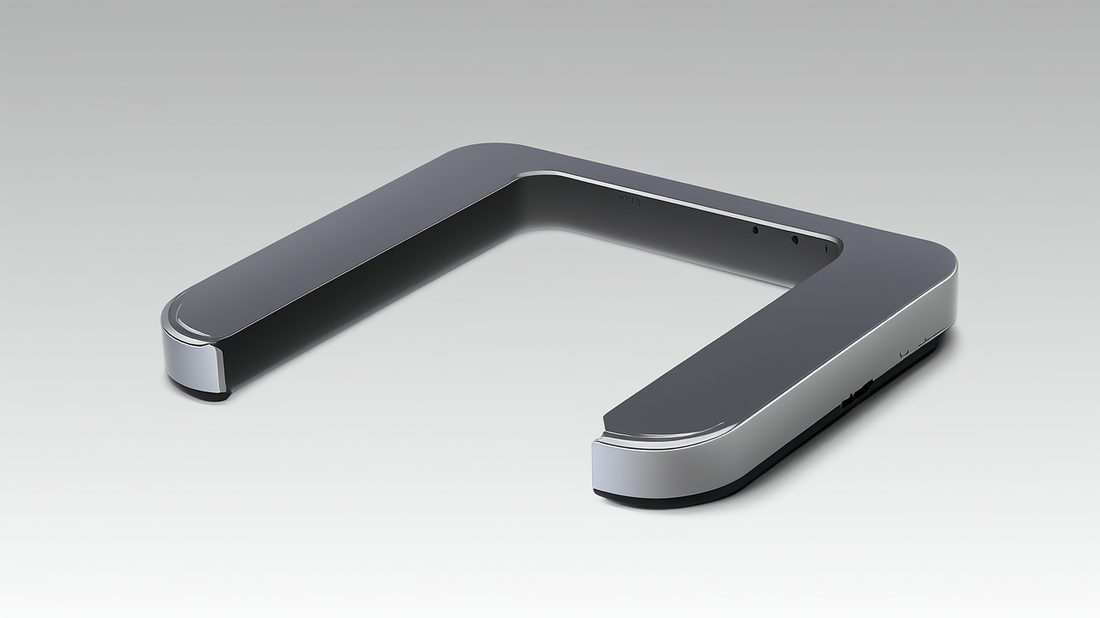
Consumer Electronics&Smart Home AI part image
Brass Machining for Smart Home Connectors and Valve Bodies
Brass is still the king of small connectors — if you specify the right grade and the right finish.
For power connectors, valve bodies, and any part that must seal and conduct, brass machining remains the default because brass is machinable, corrosion-resistant, and easy to plate. The trap for smart-home buyers is lead content: older free-cutting brass (C3604) machines beautifully but carries lead you cannot ship in many markets. Specify lead-free grades and you protect both the user and your compliance file.
Lead-free brass grades buyers should specify
CW617N (lead-free, within modern lead limits) and DZR (dezincification-resistant) brass are the workhorses for connector and valve bodies in appliances. After machining, passivation per ASTM A967 removes free iron and improves corrosion resistance, which matters in humid kitchens and bathrooms where smart-home hardware lives. Ask your supplier to confirm the passivation spec in writing — it is a cheap line that saves a field-failure later.
- ASTM A967
- The U.S. standard for chemical passivation of corrosion-resistant steels and, by extension, the finishing discipline buyers cite for cleaned, passivated surfaces.
- DZR brass
- Dezincification-resistant brass alloy used where water contact would otherwise leach zinc and weaken the part.
| Brass grade | Best use | Machinability | Buyer caveat |
|---|---|---|---|
| CW617N | Connectors, general fittings | High | Confirm lead content meets your market |
| DZR (CW602N) | Water valve bodies | Good | Use where dezincification is a risk |
| C3604 (lead) | Non-appliance, legacy | Very high | Avoid for smart-home shipped goods |
| CuZn39Pb3 | Non-critical trim | High | Leaded — restrict by market law |
Stainless Steel Parts for Durable Smart Home Hardware
When the part is seen, touched, or wet, stainless steel parts are the safe default.
Stainless steel parts earn their place wherever a smart-home device meets a human or meets water: trims, handles, sensor rings, and any bracket in a humid room. 304 is the all-rounder for indoor use; 316L adds molybdenum for coastal or bathroom environments where chloride would pit 304 over time. Both machine cleanly and take a mirror finish that reads as premium without plating.
304 vs 316L for indoor vs humid environments
Choosing between them is a simple environment question, not a performance one. If the device lives in a dry living room, 304 stainless is plenty and cheaper to machine. If it lives in a bathroom, near a sink, or within a kilometer of the coast, specify 316L and accept the small material premium — the alternative is a pitted trim and a bad review. After machining, passivation per ASTM A967 is what actually delivers the corrosion resistance buyers assume stainless 'just has.'
| Property | 304 stainless | 316L stainless |
|---|---|---|
| Indoor humidity | Adequate | Excellent |
| Coastal / bathroom | Risk of pitting | Recommended |
| Mirror finish | Ra 0.2 μm achievable | Ra 0.2 μm achievable |
| Machining cost | Lower | Slightly higher |
| Typical smart-home use | Trims, indoor brackets | Valve seats, wet-area hardware |
For a deeper look at how mirror finishing is specified and controlled, see our guide on 8K mirror finishing at Ra 0.2 μm — the same discipline that makes a stainless trim feel like a flagship product.
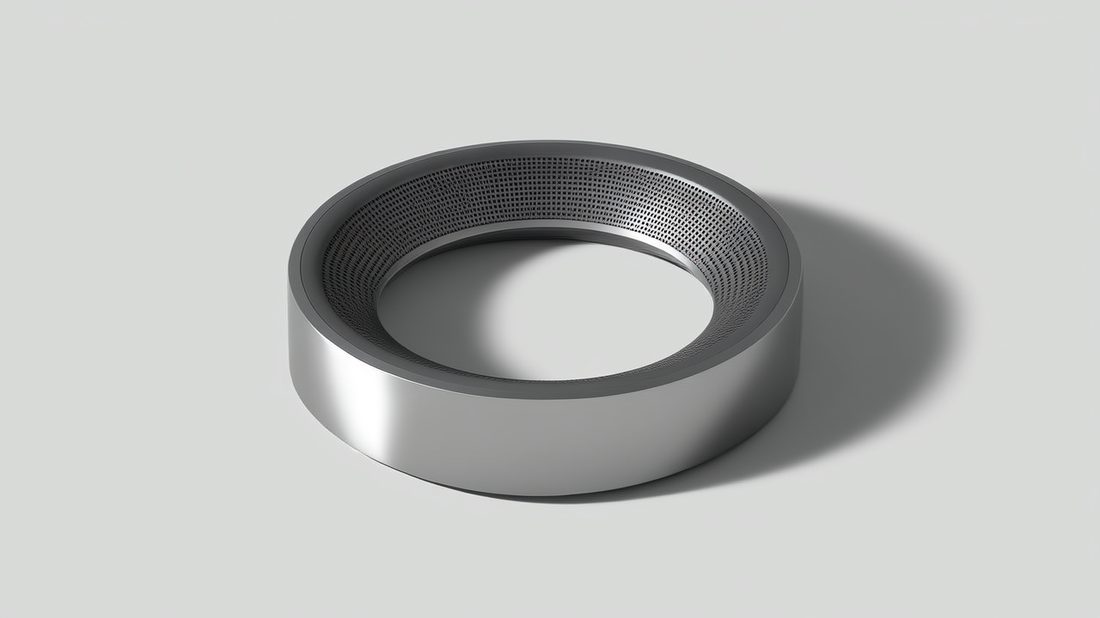
Consumer Electronics&Smart Home AI part image
Smart Home Components: 5 Outsourcing Risks You Must Control
Outsourcing is not free. These are the five risks that actually cost brands money, and the control for each.
The reason to outsource is fit and speed; the reason outsourced programs fail is a control nobody owned. Here are the five risks we see most often in smart-home supply chains, and the concrete control a buyer should put in the contract before the first chip is cut.
- Material substitution: a supplier swaps your specified grade for a cheaper one. Control: require a mill certificate (MTC) per batch and map it to your incoming inspection.
- Tolerance drift at volume: the first article is perfect, the 50,000th is not. Control: demand batch-level traceability and a Cpk report, not just a one-off first-article report.
- Finish that looks right, measures wrong: a photo passes, a profilometer fails. Control: put the Ra number and measurement method in the PO.
- Compliance gap: brass ships with lead you cannot sell. Control: name the grade and the passivation standard (ASTM A967) explicitly.
- Single-source fragility: one shop, one flood, zero supply. Control: qualify a second source or keep a documented safety stock for the long-lead feature.
- Mill certificate (MTC) required for every material batch
- First-article inspection (FAI) plus ongoing Cpk data, not just FAI
- Surface finish specified as Ra value with measurement method
- Brass grade and ASTM A967 passivation named in the PO
- Batch traceability from incoming material to shipped lot
- Documented backup source or safety-stock plan for long-lead parts
- IP and drawing handling terms agreed before sharing CAD
Custom CNC Parts: A Buyer's Sourcing Checklist for 2026
Paste this into your next RFQ and you will filter serious CNC partners from catalog resellers.
A good sourcing checklist is less about finding the cheapest shop and more about finding the one that will still be holding your tolerance on the 100,000th part. Use the list below as the gate, then use the decision matrix to match the method to the program.
- Years in mirror-finish CNC (15 years focused is a strong signal)
- Certifications held: ISO 9001, ISO 13485, IATF 16949 status
- Machine count and process mix (turn-mill, 5-axis, Swiss-type)
- Demonstrated tolerance, e.g. ±0.005 mm, with a sample report
- Batch traceability system from material to shipment
- Real reference clients you can name-check (De'Longhi, Donlim, Breville)
- Free DFM review offered before you commit to tooling
| Project requirement | Recommended method | Why it wins |
|---|---|---|
| Complex housing, <5k units | 5-axis CNC | No hard tooling, fast iteration |
| Simple plate, 200k units | 3-axis CNC or stamping | Lowest unit cost |
| Sealed valve body, wet use | 316L CNC + ASTM A967 | Corrosion-resistant, leak-tight |
| Connector, high volume | Lead-free brass CNC | Machinable, plateable, compliant |
| Decor trim, premium feel | 304/316L, 8K mirror | Tactile 'flagship' cue |
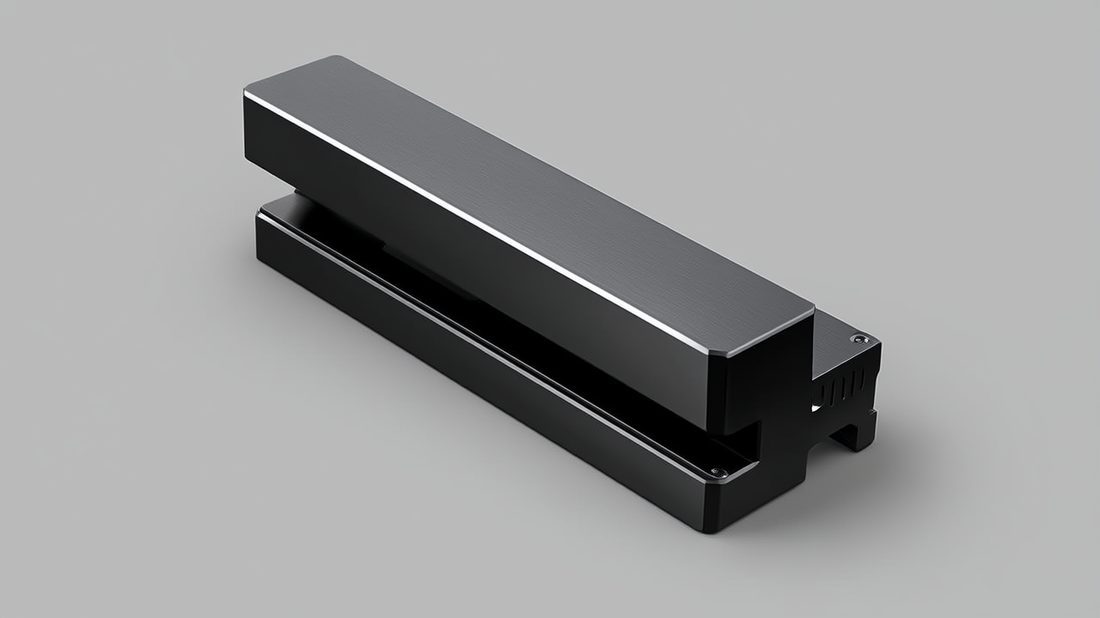
Consumer Electronics&Smart Home AI part image
CNC Precision Machining vs Die Casting for Smart Home Volumes
The real question is volume and change-rate, not which process is 'better'.
Every smart-home buyer eventually hits the CNC-versus-die-casting decision. Die casting wins on per-unit cost at very high volumes because the tool amortizes across millions of shots. CNC wins on flexibility, lead time, and tolerance because there is no hard tool to wait on. The honest answer is that they serve different points on the same curve.
Which wins at your volume
If your program is below about 50k units a year, or your enclosure revises every quarter, CNC precision machining is almost always cheaper once you include tooling and obsolescence. If you are locked at 500k units a year with a frozen design, die casting pulls ahead on unit cost but you trade away the ability to change the part without scrapping a mold. Smart-home brands that iterate fast usually stay on CNC far longer than legacy appliance makers expect.
| Factor | CNC precision machining | Die casting |
|---|---|---|
| Tooling cost | Low / none | High mold |
| Lead time to first part | Days | Weeks to months |
| Design change | Cheap, fast | Scrap the mold |
| Tolerance | ±0.005 mm easily | Wider, post-machined |
| Surface as-cast | Mirror possible directly | Rough, needs finish |
| Best volume | <100k/yr agile | >300k/yr stable |
Pros
- CNC: no mold, so you can revise the part every sprint
- CNC: mirror finish straight off the machine
- Die cast: lowest unit cost at stable high volume
Cons
- CNC: higher unit cost above ~100k/yr
- Die cast: slow to first part and rigid to change
- Die cast: surface needs secondary finishing
The part should follow the product, not the other way around — and CNC is the process that lets you keep it that way.
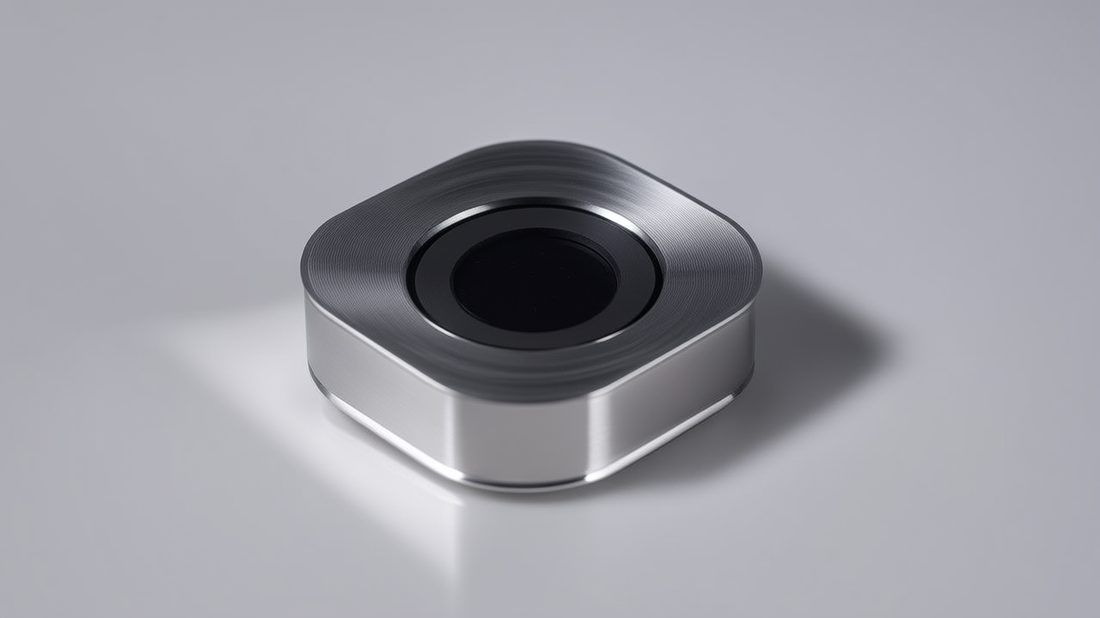
Consumer Electronics&Smart Home AI part image
Consumer Electronics&Smart Home AI part image
Consumer Electronics&Smart Home AI part image
Consumer Electronics&Smart Home AI part image
FAQ: smart home components & Consumer Electronics&Smart Home Buyer Questions
A: Catalog parts fit a supplier's average case, not your enclosure. When industrial design changes by two millimeters, the catalog part no longer fits and you either hand-modify thousands of units or redesign around someone else's geometry. Custom CNC lets your team own the geometry so the part follows the product, with batch-to-batch consistency a source factory holds via incoming material traceability.
A: Specify lead-free CW617N for general connectors and DZR (dezincification-resistant) brass for any water-contact valve body. Avoid leaded grades like C3604 for shipped smart-home goods. Always name the grade and the passivation standard ASTM A967 in the purchase order so compliance is documented, not assumed.
A: For dry indoor use, 304 stainless is adequate and cheaper to machine. For bathrooms, sinks, or coastal locations within roughly a kilometer of the sea, specify 316L because its molybdenum resists chloride pitting that would degrade 304 over time. In both cases, passivation per ASTM A967 is what actually delivers the corrosion resistance buyers expect.
A: A focused mirror-finish CNC plant such as LusterControl holds ±0.005 mm and can scale from a 20-piece prototype to 500,000 parts a month across 60+ CNC machines. The number that matters for fit is the relationship tolerance between mating features, not a single bore size, so specify that relationship in the drawing.
A: Choose die casting only when your annual volume is stable above roughly 300k units and the design is frozen, because the mold amortizes across millions of shots. Below about 100k units a year, or whenever the part revises each quarter, CNC is cheaper once tooling and obsolescence are included, and it keeps your design agile.
A: Require a mill certificate per material batch, first-article plus ongoing Cpk data, surface finish stated as an Ra value with measurement method, the brass grade and ASTM A967 passivation named in the PO, batch traceability from material to shipment, and a free DFM review before you commit to tooling. These controls separate a serious partner from a catalog reseller.
Send us your drawing for a free DFM review — we will tell you honestly whether CNC precision machining, brass, or stainless steel is the right call for your smart home component, and where die casting would actually save you money.
Request a Free CNC Quote