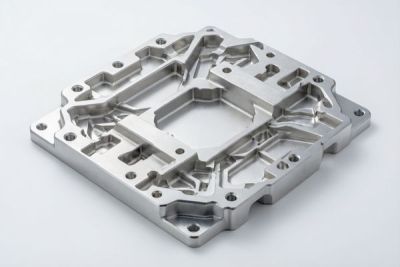
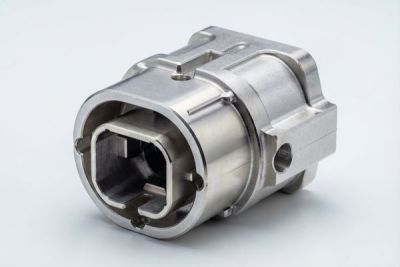
EV Thermal Management Demands Higher CNC Flatness — Here's Why (2026)
Electric vehicles moved the thermal problem from the radiator to everywhere. Battery packs, power electronics and EV motor parts all generate heat that has to leave fast, and the path out is a flat metal face pressed against a thermal interface material. In 2026 the spec that separates a stable pack from a thermal runaway is no longer just tolerance — it is flatness, and CNC machining is where flatness is won or lost.
At LusterControl (Dongguan Licun Technology Co., Ltd.) the automotive signal is loud: our IATF 16949 certification is in progress precisely because automotive and EV buyers audit flatness, traceability and process control harder than anyone. Founded in 2015, we run 60+ CNC machines across a 4,000 m² Dongguan floor at up to 500,000 precision parts a month, with aluminum CNC machining and 5-axis cells built for the flat, thin-walled parts thermal systems demand.
This piece explains why thermal management raises the flatness bar, which parts it hits hardest, and what a buyer should specify so a heat sink or cold plate actually transfers heat instead of trapping it. The short version: a thermal interface is only as good as the face it touches, and that face is a CNC flatness problem.
Table of Contents
- 1. Thermal Management: Why EV Motor Parts Need Flatter CNC Faces
- 2. Heat Sink Machining for EV Thermal Management: Flatness Is the Product
- 3. Aluminum CNC Machining in EV Thermal Management Systems
- 4. Automotive CNC Parts: How Flatness Protects EV Thermal Management
- 5. EV Motor Parts and Heat Sink Machining: A Buyer Guide to Flatness
- 6. Why LusterControl's Aluminum CNC Machining Serves EV Thermal Management
- 7. Automotive CNC Parts and Thermal Management: What Buyers Should Verify in 2026
- 8. Heat Sink Machining and EV Motor Parts: The Flatness Bar for 2026
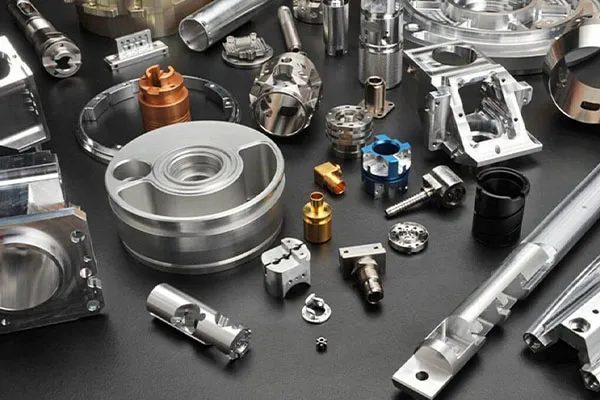
Automotive&EV CNC precision component
Thermal Management: Why EV Motor Parts Need Flatter CNC Faces
Heat leaves through the flat face.
Thermal management in an EV is a contact problem. A motor housing, inverter base or battery cold plate sheds heat through a flat machined face mated to a thermal interface material (TIM); any gap becomes insulation. That is why EV motor parts now spec flatness in microns, not just overall tolerance — a surface that is in tolerance but not flat lets the TIM bridge air instead of metal, and the hotspot stays put.
- Thermal management
- Moving heat out of batteries, motors and electronics
- Flatness
- Deviation of a surface from a perfect plane
- Thermal interface material (TIM)
- A pad or paste that bridges two surfaces to conduct heat
- Cold plate
- A machined plate with channels that carries coolant past heat sources
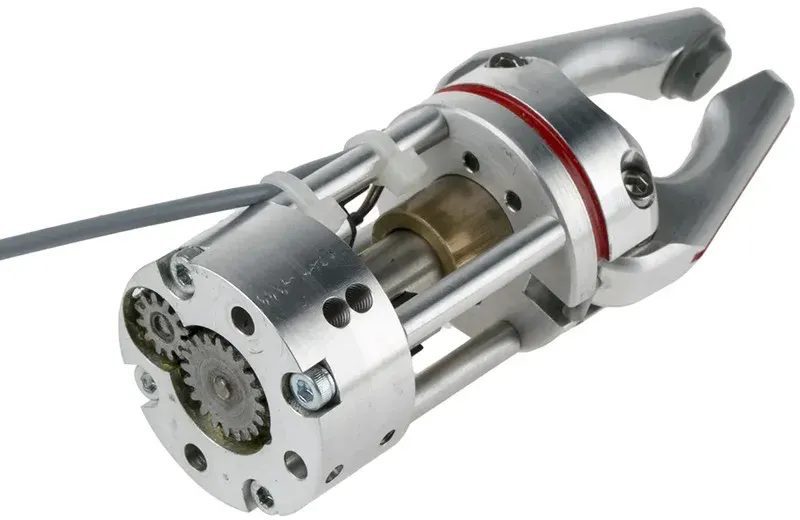
Automotive&EV CNC precision component
Heat Sink Machining for EV Thermal Management: Flatness Is the Product
The finish is the function.
Heat sink machining for EV thermal management is the clearest case: the sink's value is the flat face that meets the heat source, so flatness is the product, not a by-product. Thin aluminium fins and skived or bonded sinks need a base that stays flat after machining and after the TIM is clamped — which means the blank geometry and the clamping strategy matter as much as the cutter path.
What flatness protects
- Intimate TIM contact so heat actually transfers
- Even clamping load without warping the thin base
- Lower junction temperature and longer component life
- Repeatable performance across a 500,000-piece run
Aluminum CNC Machining in EV Thermal Management Systems
Aluminium is the default, warping is the risk.
Aluminum CNC machining is the default for EV thermal management systems because aluminium conducts heat and is light — but it also warps easily, so holding flatness takes discipline. Our 5-axis and turn-mill cells cut thin-walled aluminium housings and cold plates in fewer setups, which means fewer re-clamps and less induced distortion, and the same gauges verify flatness from a 200-piece validation to volume.
| Part | Material | Flatness driver |
|---|---|---|
| Battery cold plate | Aluminium 6061/3003 | TIM contact, coolant seal |
| Inverter base | Aluminium, sometimes copper | IGBT junction temperature |
| Motor end shield | Aluminium die-cast + machined | Bearing seat + cooling face |
| Heat sink base | Aluminium skived/bonded | Source-to-TIM plane |

Automotive&EV CNC precision component
Automotive CNC Parts: How Flatness Protects EV Thermal Management
Audit the face, not just the number.
Automotive CNC parts live in a harsher audit than consumer work, and EV thermal management is where that shows. A buyer protects the system by auditing the flatness record, not just the nominal tolerance: first-article inspection proves the face, in-process measurement catches drift, and batch traceability isolates any lot that warps. Our lines hold ±0.005 mm as standard and verify flatness per the print, lot by lot.
What a buyer can actually verify
- First-article inspection reports showing measured flatness
- In-process checks that catch warp before full run
- Material certificates and incoming batch traceability
- Clamping strategy documented so flatness holds in service
- IATF 16949 (in progress) quality system on file
EV Motor Parts and Heat Sink Machining: A Buyer Guide to Flatness
Specify the face, not the shine.
For EV motor parts and heat sink machining, the buyer guide is to specify flatness on the thermal face explicitly, choose aluminium CNC machining with a warp-aware clamping plan, and let a free DFM review settle the grade before cutting. Over-machining a hidden face adds cost; under-specifying the thermal face quietly kills heat transfer. The right call is a flatness datum on the contact face, planned up front.
| Need | Specify | Why |
|---|---|---|
| TIM contact | Flatness datum on thermal face | No air gap, real heat transfer |
| Thin aluminium | Warp-aware clamping plan | Stays flat after bolting |
| Volume run | FAI + in-process flatness | Repeatable across 500K |
| Audit | Batch traceability + certs | EV program compliance |
Automotive&EV CNC precision component
Why LusterControl's Aluminum CNC Machining Serves EV Thermal Management
Real capacity, documented flatness.
LusterControl's aluminum CNC machining serves EV thermal management because flatness is built into the process, not inspected in later. Across our 4,000 m² Dongguan floor, 60+ CNC machines and 5-axis cells cut thin-walled aluminium cold plates and housings in minimal setups, and the same gauges verify flatness from prototype to 500,000 pieces a month. We serve 14 industries with annual output now exceeding ¥20 million, and IATF 16949 in progress brings the automotive audit trail EV buyers expect.
Pros
- Flatness verified lot by lot, not sampled away
- 5-axis cuts thin walls in fewer setups
- Prototype and volume on one quality system
- IATF 16949 (in progress) automotive traceability
Cons
- Thin aluminium needs careful clamping
- Tight flatness adds cycle time
- Over-spec on hidden faces wastes cost
- Capacity bounded by one zoned floor
Automotive CNC Parts and Thermal Management: What Buyers Should Verify in 2026
Habits that catch warp early.
Automotive CNC parts and thermal management in 2026 are verified before cutting, not after complaint. A free DFM review flags an unreachable flatness callout; batch traceability finds a warped lot before it reaches your line; and IATF 16949 (in progress) keeps your own audit clean. The cheapest thermal failure is the one prevented at the drawing stage.
- Put an explicit flatness datum on every thermal contact face
- State aluminium grade and whether thin-wall warping is expected
- Ask for a free DFM review before any quote is fixed
- Require FAI with measured flatness and in-process checks
- Confirm batch traceability and material certificates
- Plan prototype-to-volume on one supplier and one quality system
Automotive&EV CNC precision component
Heat Sink Machining and EV Motor Parts: The Flatness Bar for 2026
One floor, every grade, documented.
The flatness bar for 2026 is set by the thermal system, not the machine's spec sheet: heat sink machining and EV motor parts must hold a flat face that stays flat under clamp load, lot after lot. Our Dongguan floor runs that discipline on one quality system — ISO 9001 certified, ISO 13485 completed, IATF 16949 in progress — so a cold plate, a motor end shield and a sink base ship from the same accountable partner at up to 500,000 pieces a month.
Read more in our CNC machining guides, learn about Dongguan Licun Technology, or explore our automotive and 5-axis capabilities on the home page — each claim here is one you can verify on the floor.
In EV thermal management, the flatness of the face is the difference between cooling and cooking — and flatness is a CNC discipline, not a coating.
Automotive&EV CNC precision component
Automotive&EV CNC precision component
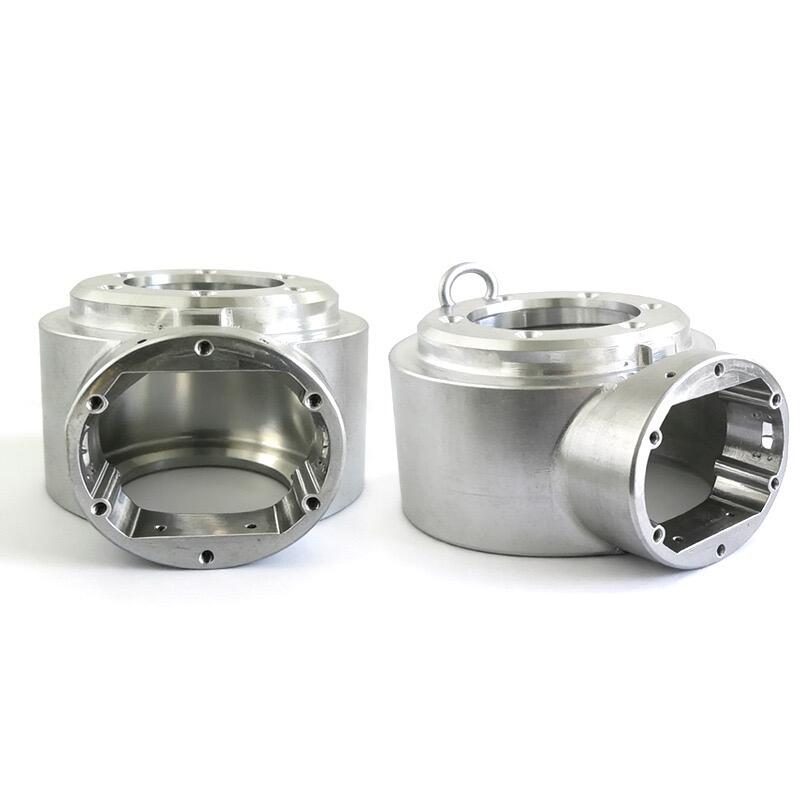
Automotive&EV CNC precision component
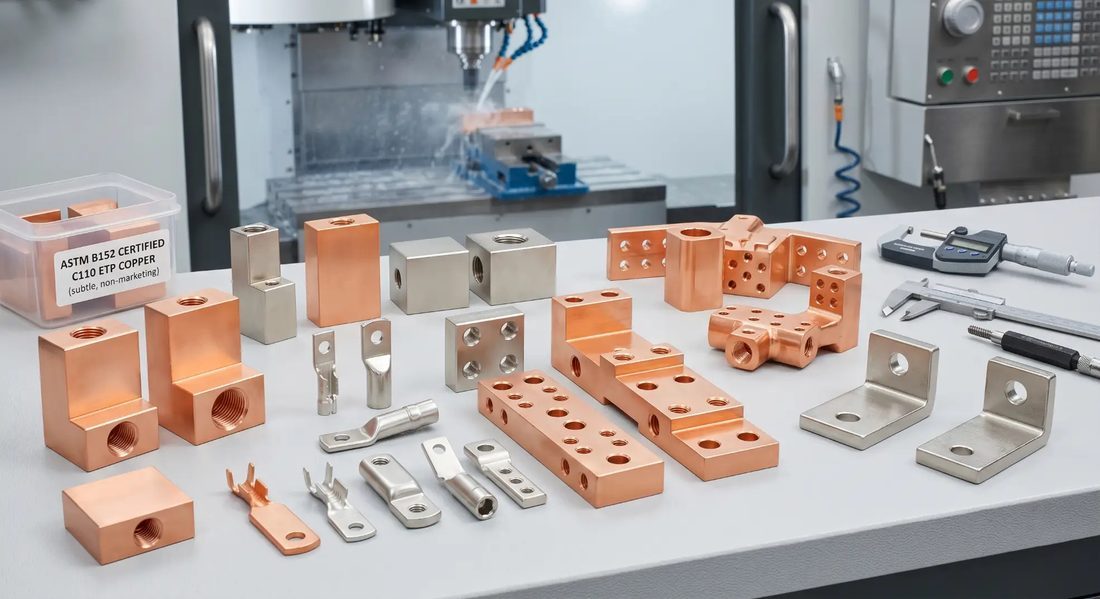
Automotive&EV CNC precision component
FAQ: EV motor parts & Automotive&EV Buyer Questions
A: Because heat leaves an EV battery, motor or inverter through a flat machined face pressed to a thermal interface material. Any bow in that face becomes an air gap that insulates, so thermal management now specs flatness in microns, not just overall size tolerance.
A: Battery cold plates, inverter bases, motor end shields and heat sink bases — any part whose machined face meets a TIM or coolant seal. These are exactly the automotive CNC parts where a bowed surface quietly raises junction temperature.
A: Yes. Our tight tolerance CNC lines hold ±0.005 mm as standard, and 5-axis cells cut thin-walled aluminium in fewer setups to limit induced warp. Flatness is verified by first-article and in-process measurement, lot by lot.
A: We are ISO 9001 certified, ISO 13485 completed, with IATF 16949 in progress — the automotive-grade audit trail EV buyers require, applied from FAI to batch traceability on thermal and automotive CNC parts.
A: Put an explicit flatness datum on the thermal contact face, state the aluminium grade and thin-wall warping risk, require FAI with measured flatness plus in-process checks, and confirm batch traceability. A free DFM review will confirm what is reachable at your volume.
A: Send your drawing with the thermal-face flatness callout, aluminium grade, expected volume and any IATF 16949 documentation needs. We return a free DFM review and first-article inspection, then route you from prototype to volume on one quality system. Start at our <a href='https://www.lustercontrol.com/sendinquiry.htm'>inquiry page</a>.
Send us your drawing for a free DFM review, and our Dongguan engineering team will confirm the flatness datum on your thermal contact face, the aluminum CNC machining process, and the IATF 16949-grade traceability your next EV thermal part needs — scalable to 500,000 pieces a month.
Request a Free CNC Quote