Medical Device Outsourcing: What ISO 13485 Really Buys Buyers
When you outsource medical device components, the first question every procurement manager asks is 'are you ISO 13485 certified?' It is the right question, but most buyers stop there and never ask what the certification actually changes on the part that ships to their line. A certificate on the wall does not machine a surface, hold a tolerance or trace a batch — so what exactly does it buy you?
At LusterControl (Dongguan Licun Technology Co., Ltd.), medical-grade work is a permanent part of the floor. Founded in 2015, we have spent 15 years on stainless precision machining, run 60+ CNC machines across a 4,000 m² Dongguan plant at up to 500,000 precision parts a month, and hold ISO 9001 certified plus ISO 13485 completed — with IATF 16949 in progress. That stack matters for medical buyers because it is the audit trail behind every surgical instrument and implant-adjacent part.
This piece explains, from the buyer's side, what ISO 13485 machining really delivers, where tight tolerance CNC becomes a safety issue, and which questions to put to a supplier before you sign. The short version: certification is not paperwork, it is the discipline that keeps a 500,000-piece medical run identical to the first-article part you approved.
Table of Contents
- 1. ISO 13485 Machining: What the Standard Actually Buys a Medical Buyer
- 2. Medical Device Components: Why Outsourcing Demands a Certified Floor
- 3. Surgical Instruments and Tight Tolerance CNC: Where Microns Are Safety
- 4. Tight Tolerance CNC for Medical Device Components: The Process Behind the Micron
- 5. CNC Precision Machining in Medical Outsourcing: A Buyer's Checklist
- 6. ISO 13485 Machining vs Non-Certified: What Buyers Risk Without It
- 7. Surgical Instruments Outsourcing: How LusterControl's Certified Floor Delivers
- 8. Medical Device Components and CNC Precision Machining: 2026 Sourcing Reality
- 9. Why Buyers Choose ISO 13485 Machining for Surgical Instruments in 2026
Medical AI part image
ISO 13485 Machining: What the Standard Actually Buys a Medical Buyer
A certificate is only as good as the process it enforces.
ISO 13485 machining is not a coating you add at the end — it is a quality-management system built around risk, traceability and documented control of every step that touches the part. For a buyer, what it buys is predictability: the 50,000th part behaves like the first-article part, and if something drifts, you can find exactly which lot, which machine and which operator was involved. That is the difference between a recall that is contained and a recall that is not.
- ISO 13485
- The quality-management standard for medical device organizations, focused on risk and traceability
- Medical device components
- Machined parts used in or near medical devices, from housings to surgical tips
- Traceability
- The ability to link every part back to its material lot, machine and inspection record
- CAPA
- Corrective and Preventive Action — the documented loop that fixes and prevents defects
Medical AI part image
Medical Device Components: Why Outsourcing Demands a Certified Floor
Outsourcing moves the risk to your supplier's system.
When you make medical device components in-house, your own quality system owns the risk. The moment you outsource, that risk moves to your supplier's system — and if their system is not certified, the liability and the variance land back on your desk anyway. A certified floor is the only practical way to outsource without quietly importing uncontrolled process variation into a regulated product.
What certification changes on the floor
- Incoming material is verified and certified before it touches a machine
- Setups are controlled and documented so the 200th part matches the first
- In-process inspection catches drift before a full lot is cut
- Every lot is traceable to material, machine, operator and gauge
- Changes go through a controlled review, not a hurried workaround
| Control | Certified floor (ISO 13485) | Non-certified floor |
|---|---|---|
| Material verification | Certified incoming, logged lot-by-lot | Often assumed from supplier paperwork |
| Process control | Documented setups and change control | Tribal knowledge, ad-hoc tweaks |
| Traceability | Full lot-to-operator record | Partial or none |
| Drift response | CAPA loop, contained and documented | Reactive, often undocumented |
Surgical Instruments and Tight Tolerance CNC: Where Microns Are Safety
On a surgical instrument, the tolerance is the outcome.
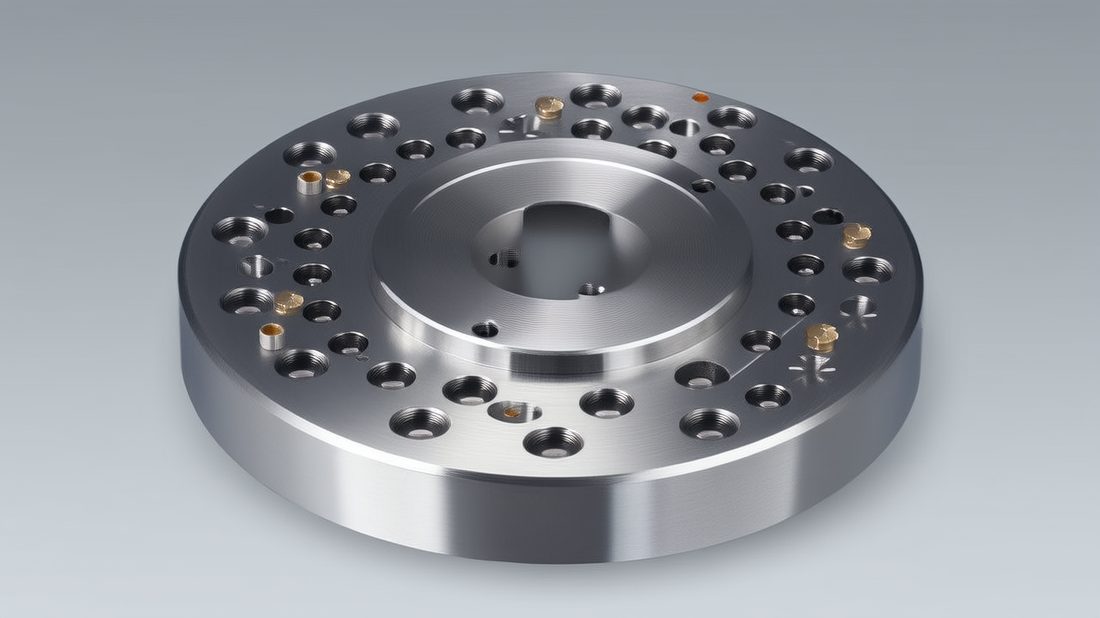
Surgical instruments live where microns are not a nicety but a safety margin. A cutting edge that is a few microns off geometry cuts differently; a shaft that is out of round vibrates in the hand; a hinge that is not flat binds at the worst moment. Tight tolerance CNC is what makes the instrument behave the same in the thousandth use as in the first, and that repeatability is the part of 'safety' you cannot see on a spec sheet.
Edge geometry and fit you can verify
- Cutting-edge geometry held to print so the instrument performs as designed
- Shaft roundness and straightness within the tolerance the procedure demands
- Hinge and joint fit that stays smooth across the instrument's service life
- Surface finish (down to Ra 0.2 µm, 8K mirror) where biocompatibility or cleaning matter
Medical AI part image
Tight Tolerance CNC for Medical Device Components: The Process Behind the Micron
Repeatability is engineered, not hoped for.
Holding ±0.005 mm on a medical device component across half a million pieces is not luck — it is a sequence of controlled steps. Each step removes a source of variation, and ISO 13485 is the system that keeps the sequence from being skipped when a deadline looms. Here is the path a certified floor runs for a tight-tolerance medical part.
- Design and DFM review: confirm the tolerance and finish are reachable on the volume and material
- Material certification: verify the stainless lot and log it before machining
- First-article inspection (FAI): measure and document the actual part against the print
- Controlled setup: lock fixtures, tools and programs so every piece runs the same
- In-process inspection: check drift on the floor before a full lot is committed
- Passivation per ASTM A967: treat stainless for corrosion resistance and cleanability
- Final inspection and traceability: record the lot, machine, operator and gauge for every batch
| Requirement | Reachable process | Why it matters medically |
|---|---|---|
| ±0.005 mm tolerance | CNC precision machining, controlled setups | Fit and function of the assembly |
| Ra 0.2 µm (8K) finish | Mirror / electrolytic polishing | Cleanability and biocompatibility |
| Corrosion resistance | Passivation, ASTM A967 | Patient safety, service life |
| Lot identity | Batch traceability | Recall containment |
CNC Precision Machining in Medical Outsourcing: A Buyer's Checklist
Five things to demand before you approve a supplier.
Before you move medical work to a CNC precision machining supplier, a short buyer's checklist prevents most of the failures that show up later as scrap, delays or audit findings. None of these cost you anything to ask; all of them cost you plenty if you skip them.
- Ask for the ISO 13485 / ISO 9001 certificate and confirm it is current
- Request a sample lot record: material cert, FAI report, in-process and final inspection
- Require incoming material certification and batch traceability on every lot
- Confirm the tolerance and finish you need are reachable on the stated volume
- Ask for a free DFM review before any quote is fixed
- Verify ASTM A967 passivation and surface-finish capability for stainless parts
Medical AI part image
ISO 13485 Machining vs Non-Certified: What Buyers Risk Without It
The risk does not disappear, it moves to you.
Buyers sometimes accept a lower price from a non-certified shop and assume the risk is small. It is not — it simply relocates. Without ISO 13485 machining, you lose the documentation that proves the part was made the way the print required, and you inherit the job of proving it yourself during audits and complaints. The table below shows where the risk lands.
| Risk event | With ISO 13485 machining | Without it |
|---|---|---|
| Out-of-spec lot found | Contained via traceability, CAPA filed | Source unknown, full recall likely |
| Auditor asks for records | Provided from the quality system | Gaps found, finding issued |
| Customer complaint | Lot traced, root cause fixed | No data, reputation damage |
| Process change | Reviewed and re-validated | Silent, uncontrolled |
Surgical Instruments Outsourcing: How LusterControl's Certified Floor Delivers
Real capacity, documented discipline.
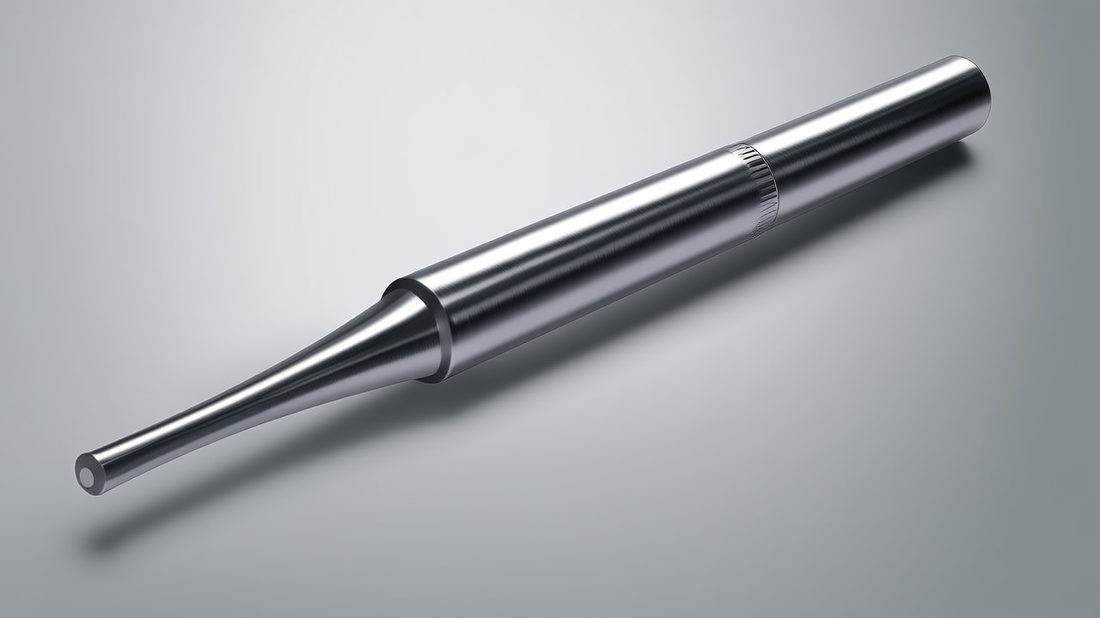
For surgical instruments outsourcing, LusterControl's certified floor delivers because the discipline is built in, not inspected in later. Across our 4,000 m² Dongguan plant, 60+ CNC machines and 5-axis cells cut stainless shafts, tips and housings in minimal setups, and the same gauges verify edge geometry, roundness and finish from prototype to 500,000 pieces a month. We serve 14 industries with annual output now exceeding ¥20 million, and the medical-grade audit trail travels with every lot.
Pros
- ISO 13485 completed + ISO 9001 certified quality system
- Tolerance and finish verified lot by lot, not sampled away
- 5-axis and turn-mill cut complex instruments in fewer setups
- Prototype-to-volume on one accountable supplier
Cons
- Tight tolerance adds cycle time versus loose work
- Passivation and documentation add steps
- Over-spec on hidden faces wastes cost
- Capacity bounded by one zoned floor
Medical AI part image
Medical Device Components and CNC Precision Machining: 2026 Sourcing Reality
Match the supplier to the risk, not the price.
In 2026 the sourcing reality for medical device components is simple: match the supplier to the risk the part carries. A non-contact housing can tolerate a lighter supplier; a part that touches a patient or a surgical field cannot. The decision matrix below, and the two checklists beneath it, help you choose without overthinking.
| Part risk | Recommended supplier | Why it wins |
|---|---|---|
| Patient-contact / surgical | ISO 13485 certified, full traceability | Audit trail and recall containment |
| Structural, non-contact | ISO 9001, tight tolerance CNC | Cost-efficient, still controlled |
| High-volume validated | Certified floor with volume capacity | Repeatability at 500K/month |
| Prototype-to-scale | One supplier, one quality system | No drift across the curve |
Choose a certified floor if / choose a lighter shop if
- Choose a certified floor if the part touches a patient, a surgical field, or a regulated assembly
- Choose a certified floor if you must show lot-level traceability in an audit
- Choose a lighter shop if the part is non-contact, structural and low-risk
- Choose a lighter shop only if you still keep your own verification records
Why Buyers Choose ISO 13485 Machining for Surgical Instruments in 2026
One floor, every grade, documented.
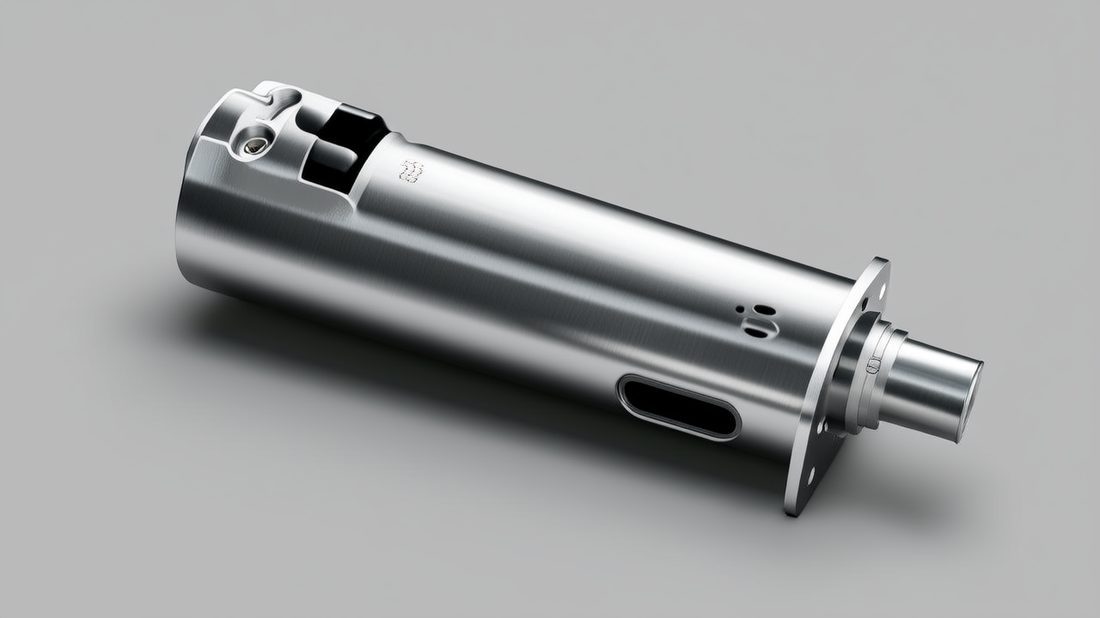
Buyers choose ISO 13485 machining for surgical instruments in 2026 because the standard is the only practical guarantee that a 500,000-piece run still matches the first-article part an auditor approved. Our Dongguan floor runs that discipline on one quality system — ISO 9001 certified, ISO 13485 completed, IATF 16949 in progress — so a shaft, a tip and a housing ship from the same accountable partner at up to 500,000 pieces a month, each with its material cert and inspection log attached.
On a surgical instrument, the tolerance is not a specification — it is the outcome, and ISO 13485 is the system that proves the outcome was deliberate.
Medical AI part image
Medical AI part image
Medical AI part image
Medical AI part image
FAQ: ISO 13485 machining & Medical Buyer Questions
A: It buys predictability and proof: material certified and logged lot-by-lot, controlled setups so the 200th part matches the first, in-process inspection that catches drift, and full traceability so any lot can be contained. The certificate is the promise; the lot record is the product.
A: Yes. On a surgical instrument the tolerance is the outcome — edge geometry, shaft roundness and joint fit decide how the instrument performs and how long it lasts. Tight tolerance CNC keeps the thousandth use identical to the first, which is the repeatability patient safety depends on.
A: Ask for the current ISO 13485 / ISO 9001 certificate, a sample lot record (material cert, first-article and inspection reports), incoming material certification, batch traceability, confirmation the tolerance and finish are reachable at volume, and a free DFM review. All of these are free to ask and costly to skip.
A: For medical stainless, yes. Passivation per ASTM A967 restores the corrosion-resistant surface layer and supports cleanability and biocompatibility. A certified floor includes it in the process and records it, so the treatment is provable rather than assumed.
A: Yes. Our CNC precision machining lines hold ±0.005 mm as standard, and mirror finishing reaches Ra 0.2 µm (8K) where a medical surface demands it, with electrolytic polishing and ASTM A967 passivation for stainless. Flatness, roundness and finish are verified by first-article and in-process measurement, lot by lot.
A: Send your drawing with the tolerance, finish and material callouts, expected volume, and any ISO 13485 documentation needs. We return a free DFM review and first-article inspection, then route you from prototype to volume on one quality system. Start at our <a href='https://www.lustercontrol.com/sendinquiry.htm'>inquiry page</a>.
Send us your drawing for a free DFM review, and our Dongguan engineering team will confirm the tolerance, finish and traceability your next medical device component or surgical instrument needs — certified to ISO 13485 discipline and scalable to 500,000 pieces a month.
Request a Free CNC Quote