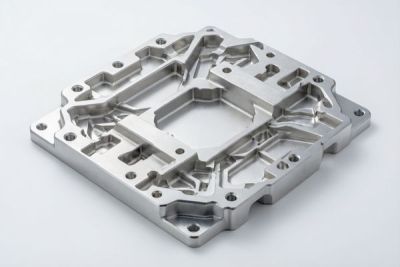
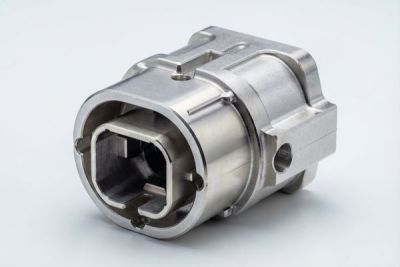
Harmonic Drive Makers Seek Turn-Mill Housings
Demand for precision robot joint parts in Robotics is rising through 2026, driven by tighter performance targets and shorter product cycles. Suppliers that cannot prove tolerance and traceability are being squeezed out.
LusterControl's view from the shop floor: buyers now ask for CMM data and lot traceability on every order, not just the regulated ones.
Table of Contents
Robotics AI part image
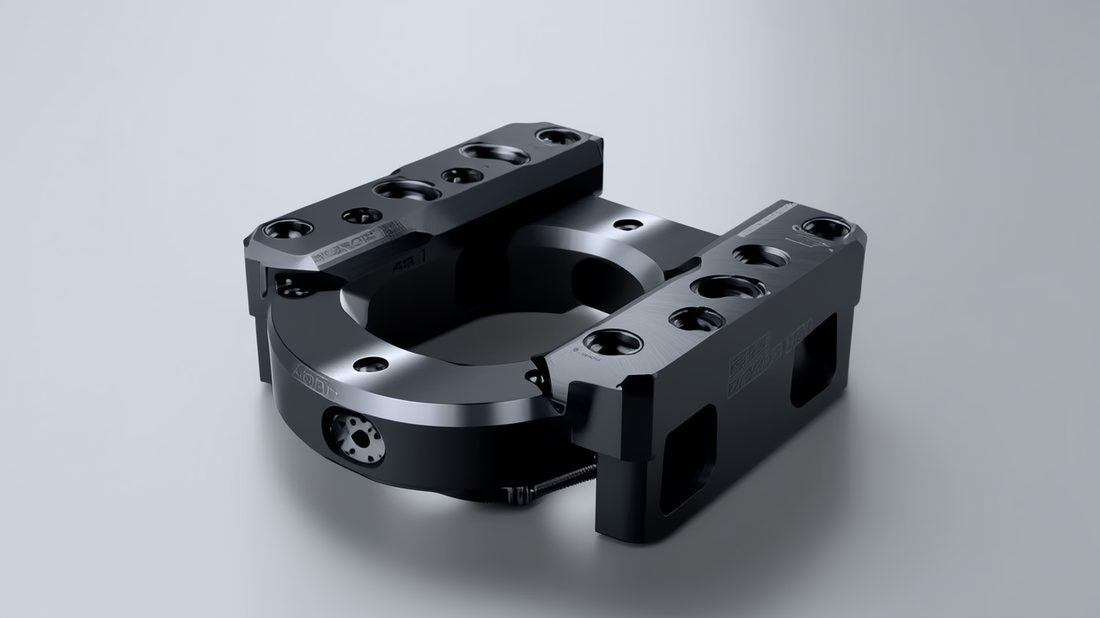
What Is Driving Robot Joint Parts
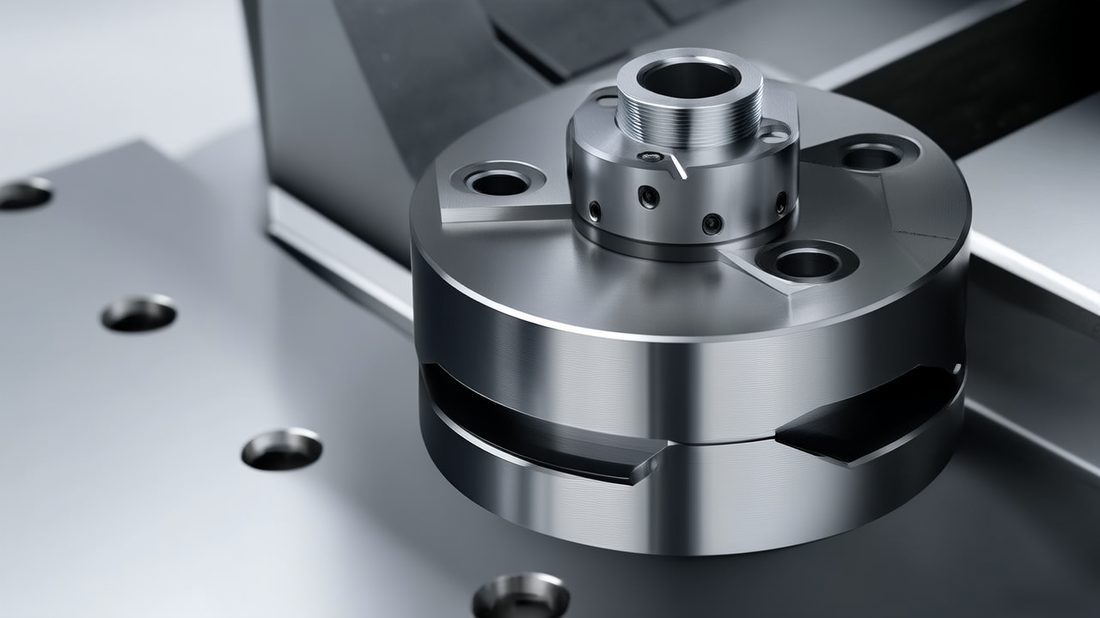
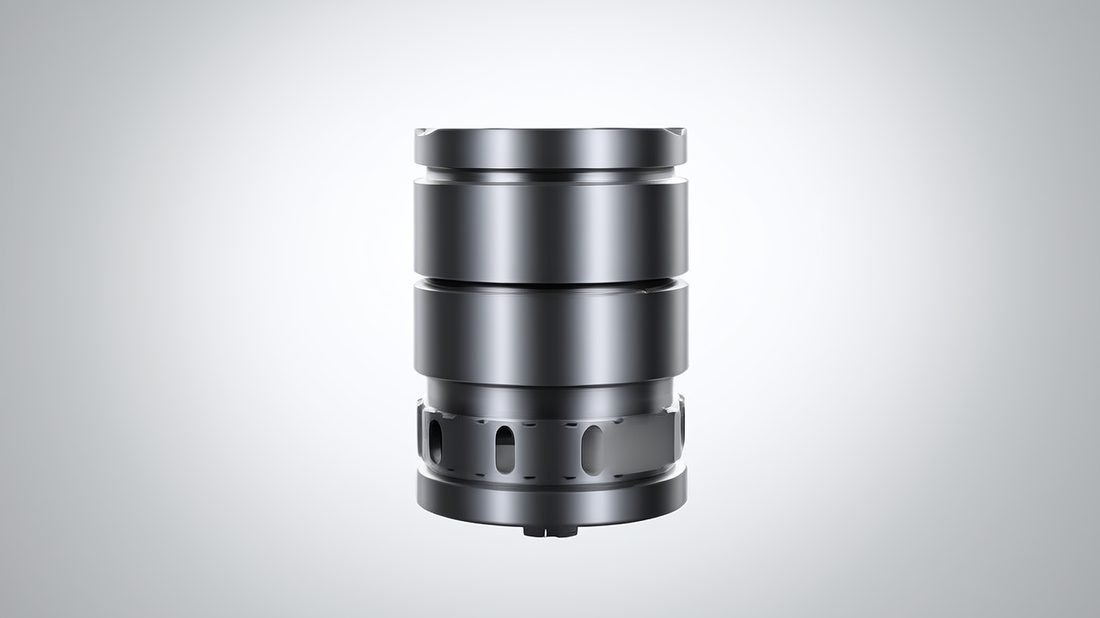
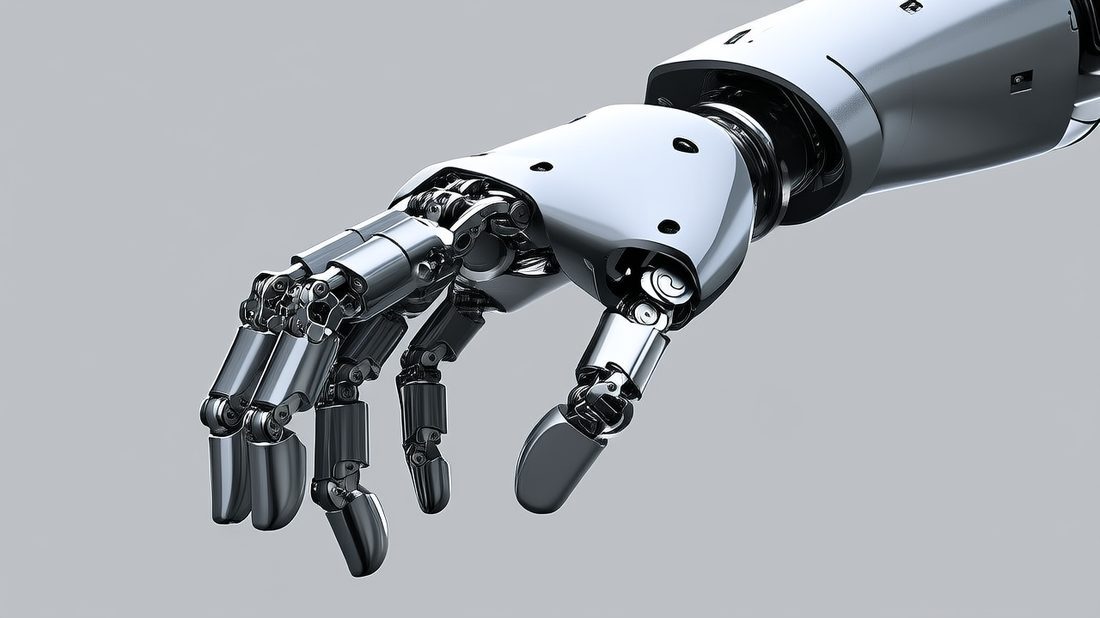
For Robotics programs, robot joint parts are moving from 'commodity' to 'critical'. Performance targets push tolerance and surface finish into ranges that only a disciplined shop can hold consistently.
Robotics AI part image
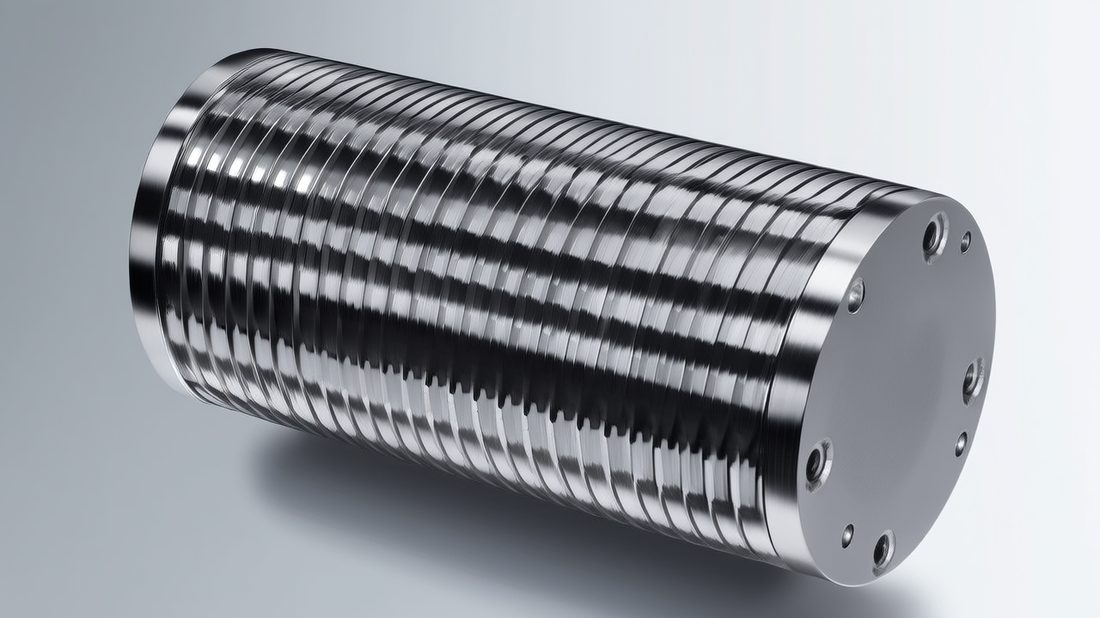
LusterControl Capacity on Turn-Mill Compound Machining
LusterControl's Dongguan plant spans 4,000 m² plant and ships 500,000 parts/month across turn-mill composite, 5-axis, mirror/electropolishing, Swiss-type turning, lot traceability. The robot joint parts line benefits from turn-mill composite and 5-axis cells that cut setups and stack-up error.
What This Means for Robotics Buyers of Aluminum 7075 Machining
More in-house capacity means a more stable lead time and feweroutsourced handoffs. For a Robotics buyer the takeaway is simple: consolidate turning, milling and finishing with one source factory and keep the quality record in one place.
- One PO, one quality record, one accountable partner.
- Faster first articles via in-house DFM review.
- Material certs and lot traceability on every batch.
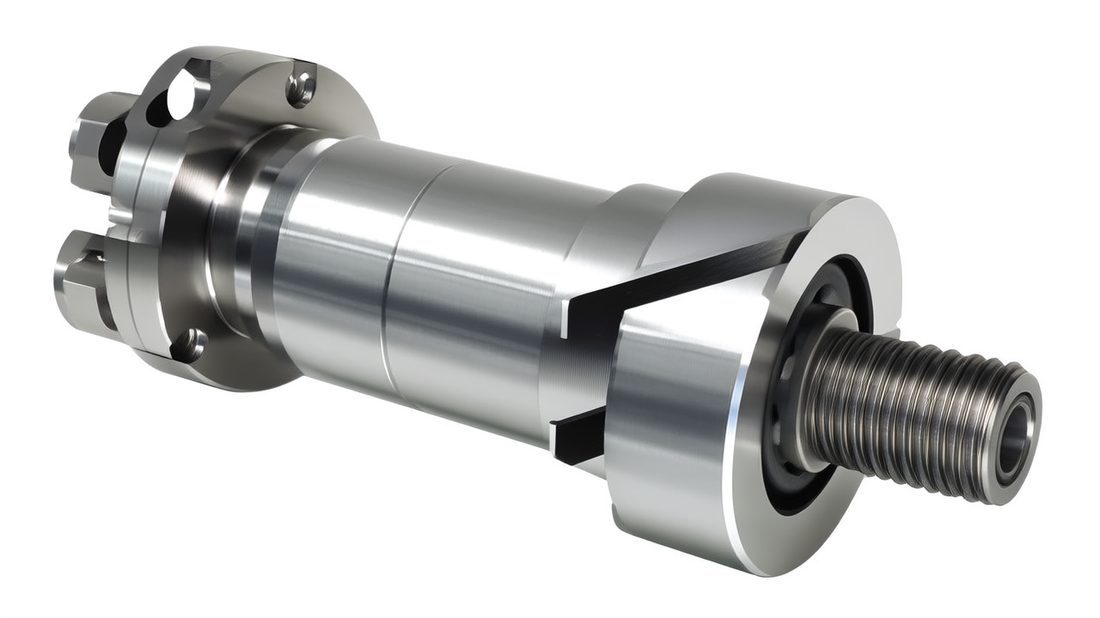
Robotics AI part image
Supplier Benchmarks for Robot Joint Parts
| Capability | Why it matters to buyers |
|---|---|
| In-house finishing | Shorter lead time, no plating/polish handoffs. |
| CMM first-article data | Measured proof, not a promise. |
| Lot traceability | Fast root cause on field failures. |
| Low-MOQ prototypes | De-risk a new program before volume. |
Outlook for Robot Joint Parts in 2026
LusterControl expects Robotics demand for precision robot joint parts to keep climbing and is investing in capacity and process depth accordingly. Buyers planning 2026 programs should lock drawings and material early.
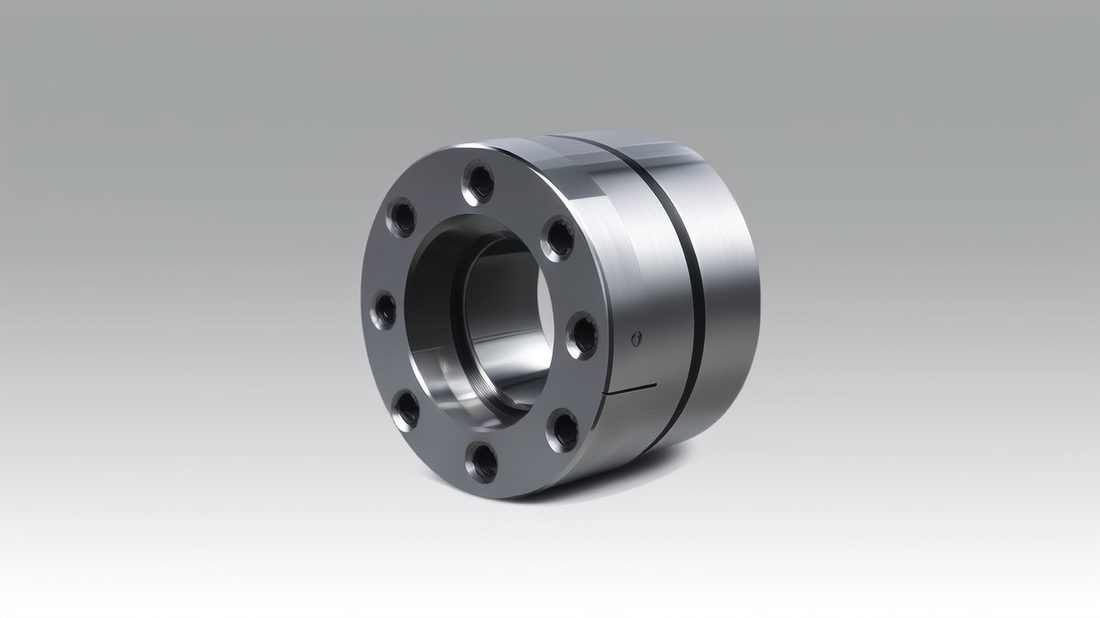
Robotics AI part image
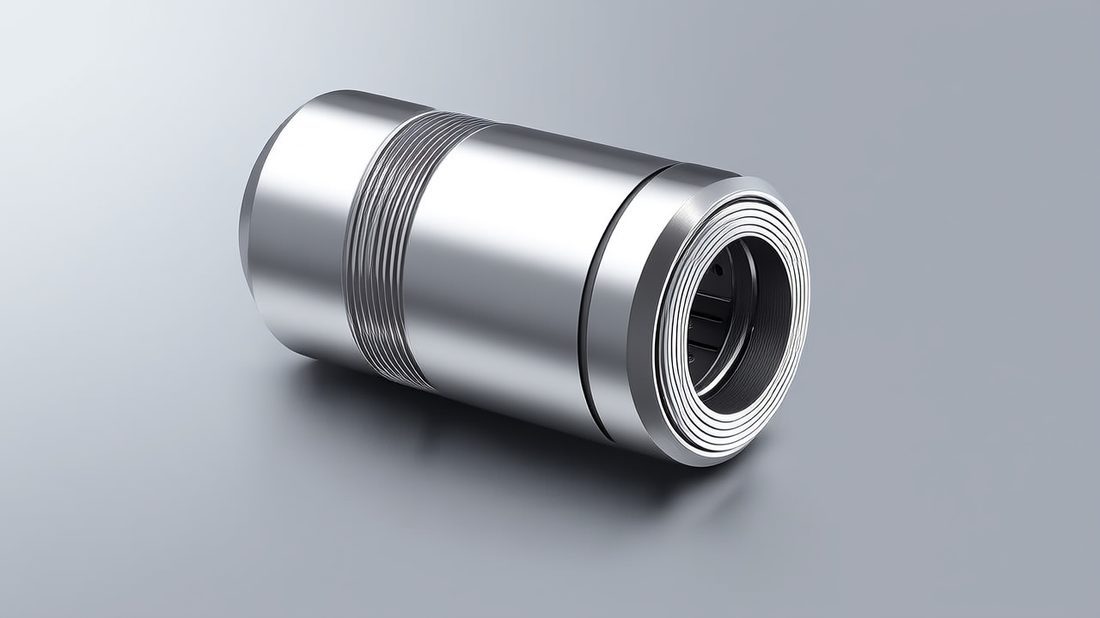
Robotics AI part image
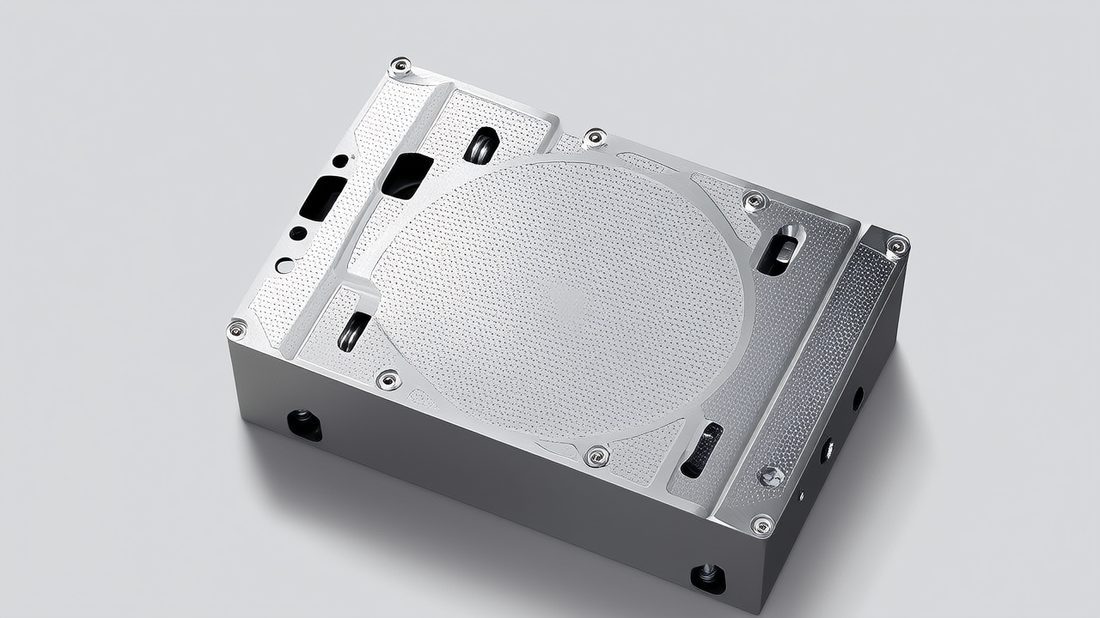
Robotics AI part image
Robotics AI part image
Robotics AI part image
Robotics AI part image
FAQ: robot joint parts & Robotics Buyer Questions
A: Yes. Turning, milling, 5-axis, mirror/electropolishing and assembly are all in-house across 4,000 m² plant with 60 CNC machines.
A: ISO 9001 certified, ISO 13485 completed, IATF 16949 applying. We provide material certs and lot traceability on every batch.
A: We target a 7-day first article from drawing to sample for many programs and accept low-MOQ prototypes, scaling to 500,000 parts/month in volume.
Want the same precision on your next order? Send LusterControl your drawing and our engineering team will return a free DFM review with achievable tolerance and lead time.
Request a Free CNC Quote