LusterControl Expands Hinge Fittings for Consumer Electronics & Smart Home (2026)
LusterControl has expanded its hinge fittings capacity for consumer electronics and smart home clients, adding machining depth and finished-inspection capacity at its Dongguan plant. The move is a direct response to rising OEM demand for traceable, tight-tolerance stainless and aluminium hinges that open smoothly, close flush and hold position across hundreds of thousands of cycles without loosening or binding.
If you source hinge fittings for laptops, foldable devices, smart-appliance lids, robot joints, adjustable mounts or detector covers, the practical upside is shorter lead times and a single accountable partner from raw bar to finished, inspected part — without the handoffs that quietly add cost, variation and risk to your assembly line.
This update walks through what changed inside our plant, why tight tolerance CNC matters for a hinge that the end user touches every day, and the checklist you should run before you award a hinge order to any supplier.
Table of Contents
- 1. What Are Hinge Fittings and Why Tight Tolerance CNC Matters
- 2. How LusterControl Machines Hinge Fittings with CNC Precision Machining
- 3. Hinge Fittings vs Generic Consumer Electronics and Smart Home CNC Parts: 5 Key Factors
- 4. How to Choose Hinge Fittings as Custom CNC Parts
- 5. Buyer's Checklist for Sourcing Custom CNC Parts Like Hinge Fittings
- 6. Quality Framework Behind Our CNC Precision Machining
- 7. Real Hinge Fittings and Consumer Electronics and Smart Home CNC Parts We Have Shipped
- 8. Protecting Your Design: Hinge Fittings and NDA for Custom CNC Parts
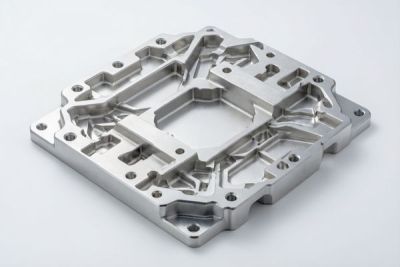
Consumer Electronics&Smart Home CNC precision component
What Are Hinge Fittings and Why Tight Tolerance CNC Matters
A hinge looks simple. The load path and repeatability through it are not.
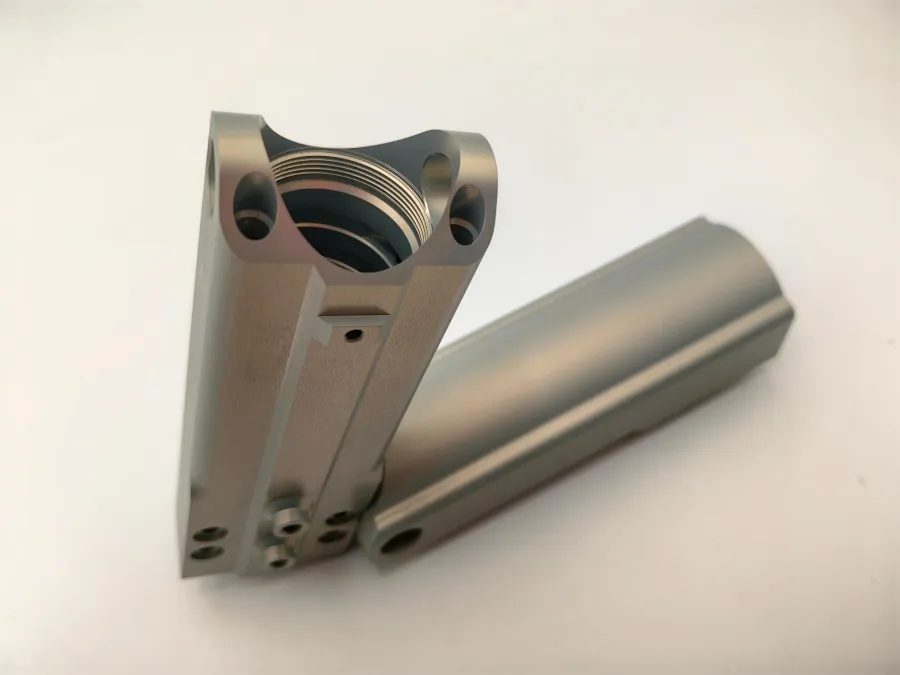
A hinge fitting is the machined joint that lets two bodies rotate relative to each other while staying aligned: a laptop lid to its base, a foldable phone's central spine, a smart-appliance door to its chassis, a robot arm segment to its actuator, an adjustable wall mount to its plate. It carries the entire opening and closing reaction every time the user touches the device, so its bore position, pin diameter, mounting-face flatness and bolt-hole pattern decide whether the lid closes flush, the screen lies flat, or the robotic joint drifts out of square after a few thousand cycles.
- Hinge fitting
- The machined pivot element — leaves, pins, bosses and mounting faces — that lets two parts rotate while staying aligned and repeatable across the product's life.
- Tight tolerance CNC
- Machining held to a stated band — at LusterControl, ±0.005 mm on critical features — so mating parts fit and rotate without shimming, binding or rework.
- Consumer electronics and smart home CNC parts
- Precision components inside phones, laptops, appliances, robots and smart devices; a hinge here is a visible, repeatedly-cycled part where fit and feel are the product.
- Mirror finishing
- A controlled surface finish step; LusterControl holds standard mirror Ra ≤ 0.6 µm and up to 8K mirror Ra 0.2 µm where sliding, wear or corrosion resistance matters.
For a buyer, the lesson is blunt: a hinge is only as good as the tolerance on the features that touch another part. A lid that is a tenth of a millimetre off in bore position shows up as uneven gaps, a lid that will not lie flat, or a hinge that binds on the third open. That is why we treat hinge fittings as a tight tolerance CNC job, not a commodity die-cast or stamped part. The same discipline carries straight over to consumer electronics and smart home CNC parts, where a mislocated boss can throw off an entire enclosure fit.
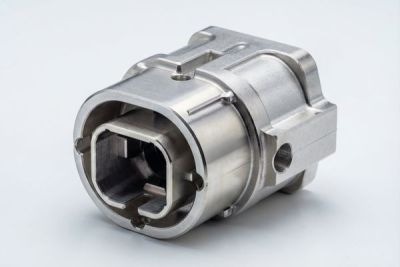
Consumer Electronics&Smart Home CNC precision component
How LusterControl Machines Hinge Fittings with CNC Precision Machining
One roof, from bar stock to inspected hinge.
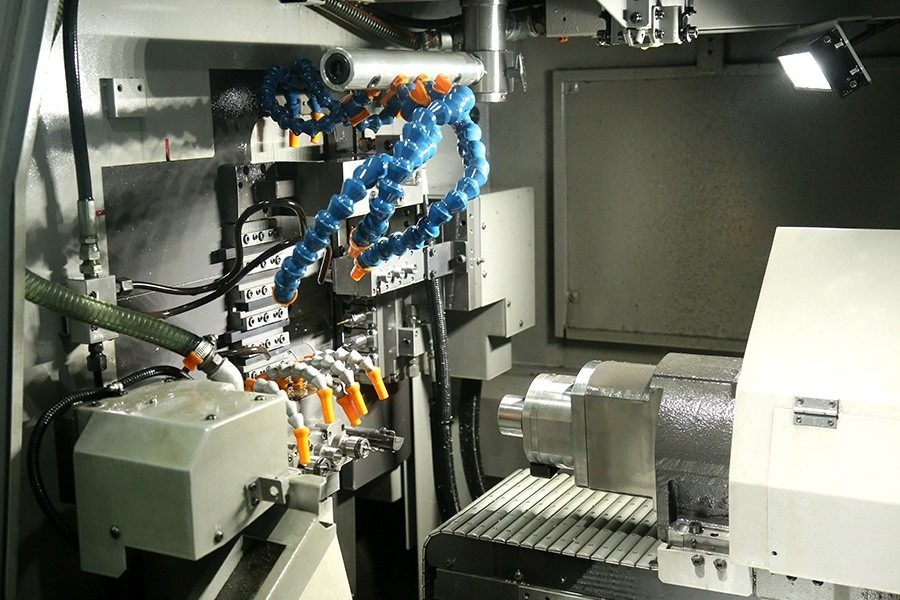
Our Dongguan plant spans 4,000 m² and ships 500,000 parts per month across turn-mill composite, 5-axis, mirror / electropolishing, Swiss-type turning and lot traceability. The hinge fittings line leans on turn-mill composite and 5-axis cells that cut setups and stack-up error — the two things that erode hinge accuracy when work shifts between machines and the two things that, in a thin laptop leaf, decide whether the lid gap is uniform.
Turn-mill composite cells
Turning and milling in one clamping means the bore, face and mounting pattern are generated from a single datum. For a hinge leaf, that single-clamp approach is the difference between a pivot that rotates smoothly on the pin and one that needs a technician with a file. It also shortens the first-article loop because there is less to measure and less to correct, which matters when you are qualifying a new smart-device hinge on a tight schedule.
5-axis and Swiss-type turning
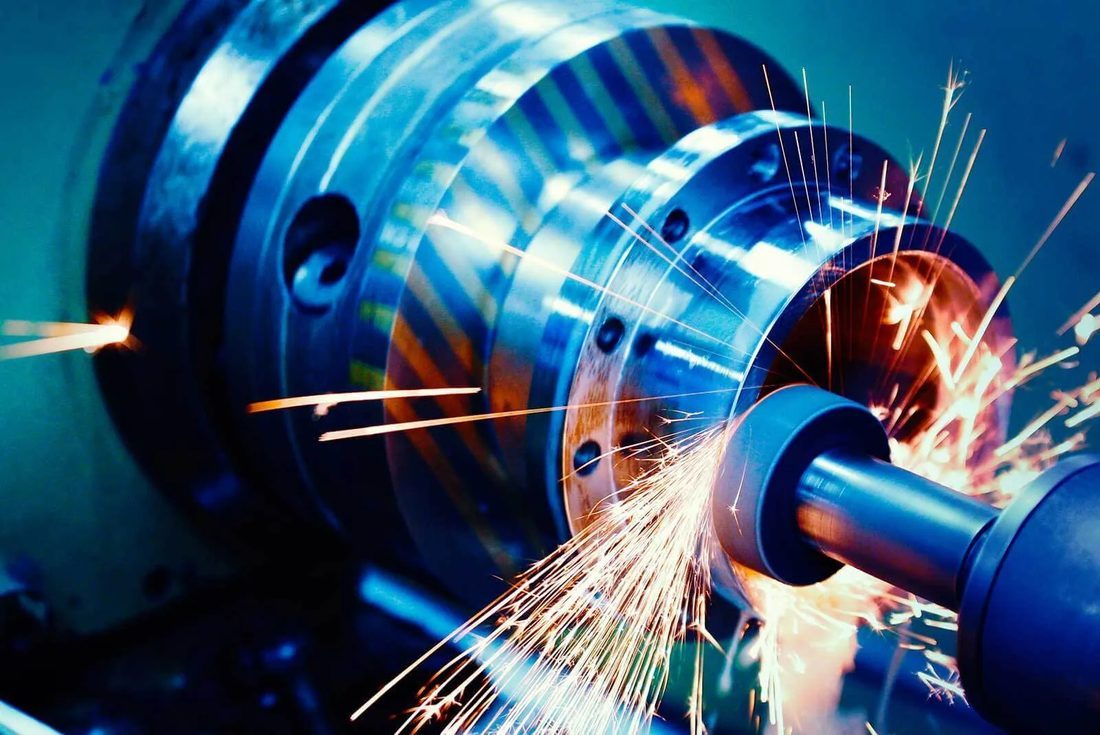
Complex hinge geometry with angled mounting faces is handled on 5-axis centres, while long, slim hinge leaves or pins that would whip on a conventional lathe are stabilised on Swiss-type machines. The combination lets us hold form, position and surface on parts that look easy on a drawing but are unpleasant to actually cut — thin leaves that flex, deep bores for the pin, and faces that must sit flush against an anodised enclosure.
- DFM review — we flag thin leaves, unreachable features, pin-fit stacks and tolerance conflicts before any metal moves.
- Material verification — mill cert and incoming inspection confirm the alloy you specified for the hinge.
- Precision machining — turn-mill and 5-axis generate critical features from one datum.
- Finishing — mirror or electropolishing where surface, wear or corrosion performance is specified.
- First-article CMM and lot traceability — measured proof, not a promise, on every batch.
Hinge Fittings vs Generic Consumer Electronics and Smart Home CNC Parts: 5 Key Factors
Not all hinge suppliers are playing the same game.
| Factor | LusterControl | Generic job shop |
|---|---|---|
| Datum strategy | One-clamp turn-mill, single datum | Multiple setups, stacked error |
| Tolerance held | ±0.005 mm on critical features | ±0.02–0.05 mm typical |
| In-house finishing | Mirror / electropolishing on site | Outsourced plating / polish |
| Inspection proof | First-article CMM + lot traceability | Spot checks, paper certs |
| Volume to prototype | Low-MOQ prototype to 500k / month | Volume-only or prototype-only |
Five factors decide whether a hinge fitting feels right in the user's hand and survives the product's rated cycle count. First, datum strategy — single-clamp machining removes the setup error that generic shops bake in and that shows up as a lid that will not close flush. Second, the tolerance band itself; a 0.02 mm hinge is not the same part as a 0.005 mm hinge. Third, in-house finishing means the lead time and the quality record stay in one place. Fourth, inspection proof — you want CMM data on the bore and faces, not a checkbox. Fifth, the ability to start small and scale, so your program is not hostage to a minimum order while you validate the feel.
Pros
- Choose LusterControl if your hinge is feel-critical, visible on the product, repeatedly cycled, or must scale from prototype to volume without re-qualification.
- Choose a generic shop if the hinge is hidden, lightly loaded, non-critical, and price is the only variable that matters.
Cons
- A single-source, in-house model can feel like over-engineering for a trivial hidden hinge — and it is, when the hinge truly does not matter to the user.
- Generic shops look cheaper until the first field complaint forces a rework of the whole enclosure or a recall of the device.
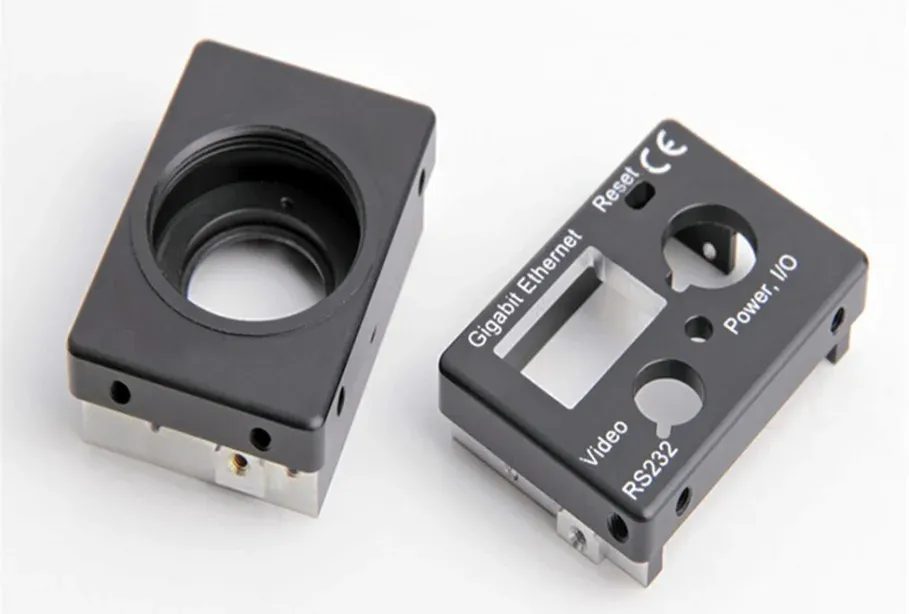
Consumer Electronics&Smart Home CNC precision component
How to Choose Hinge Fittings as Custom CNC Parts
Material choice is where most hinge programs win or lose.
| Material | What it gives you | Where it fits |
|---|---|---|
| Aluminium 6061 / 7075 | Light, easy to machine, anodises well | Laptop lids, smart-appliance doors, mounts |
| Stainless 304 / 316 | Corrosion resistance, food / medical safe | Washdown and harsh-environment hinges |
| Brass / copper alloy | Smooth bearing feel, natural corrosion resistance | Premium décor hinges, electrical contacts |
| Zinc / magnesium alloy | Thin-wall die-cast alternative, light | High-volume consumer enclosures |
For most consumer electronics and smart home hinges, aluminium keeps weight off the device while still holding tolerance and taking a clean anodise on a turn-mill centre. When the environment is corrosive or the part is food- or medical-adjacent, stainless 316 earns its cost. Brass gives a premium, low-friction pivot feel for visible décor hinges. The point is to let the application choose, not the catalogue — and to confirm the material before you fix the tolerance and finish, because the three move together.
- Confirm the cycle-count rating the hinge must survive (open/close life).
- Match material to the corrosion, weight and feel requirement, not to habit.
- Ask whether the hinge is visible — if yes, tighten surface and gap control.
- Decide finishing early: anodise for aluminium, passivate for stainless, plate for brass.
- Specify the pin fit: clearance for free swing, or light press for detent feel.
Buyer's Checklist for Sourcing Custom CNC Parts Like Hinge Fittings
Seven things to demand before you release the PO.
- Material cert (mill cert) on every batch — not a one-time sample.
- First-article CMM report tied to your drawing revision, on bore and faces.
- Lot traceability back to material heat and machine.
- Stated tolerance band on critical features, in writing.
- Low-MOQ prototype option so you can qualify the feel before volume.
- NDA-backed handling of your drawing and CAD data.
- A single accountable supplier, not a broker chaining three shops.
- Red flag: the shop cannot show a first-article report from a current hinge job.
- Red flag: finishing is 'sent out' with no in-house control of the surface.
- Red flag: minimum order too high to prototype, or too low to scale.
- Red flag: no traceability story when you ask who cut and anodised this batch.
You can read more about how we structure supplier-grade evidence on our about page and in the deeper guides on our blog. The short version: for custom CNC parts like hinge fittings, proof beats promises every time — and for a part the customer touches daily, that proof is the difference between a premium feel and a returned unit.
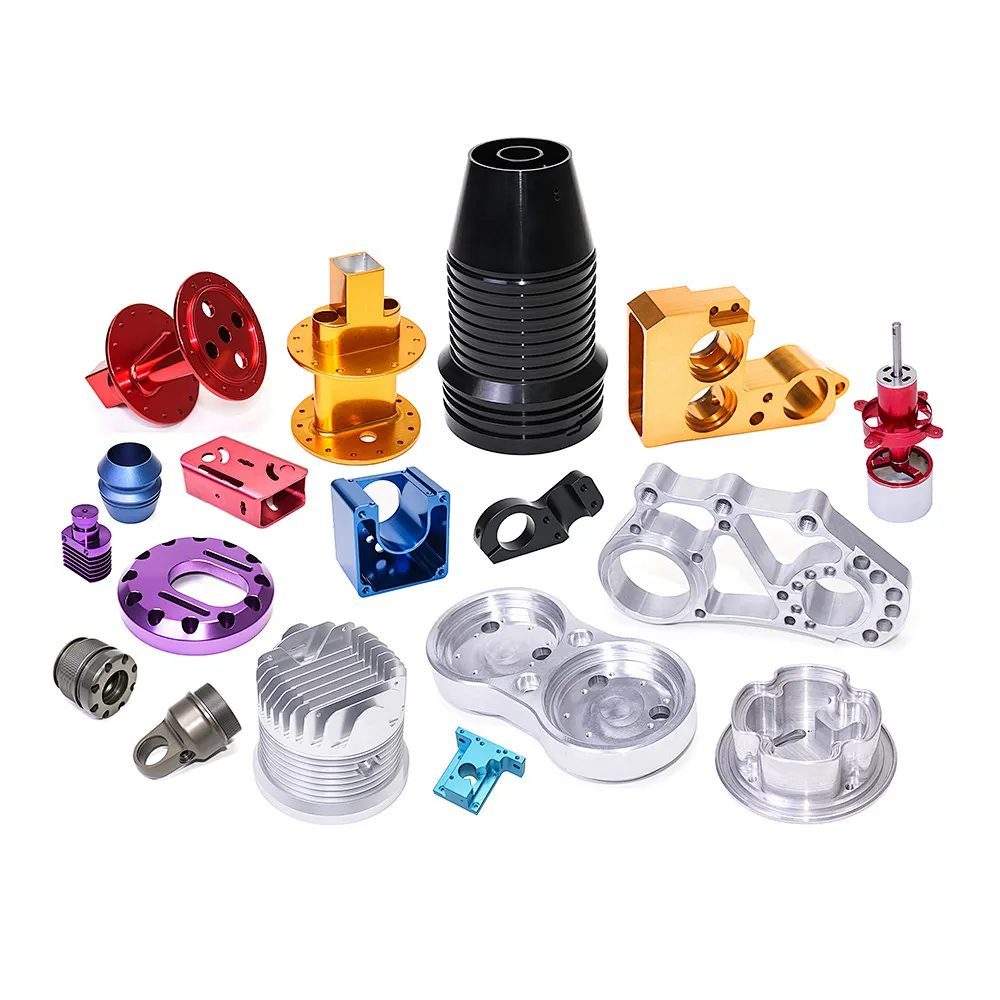
Consumer Electronics&Smart Home CNC precision component
Quality Framework Behind Our CNC Precision Machining
The discipline behind the numbers.
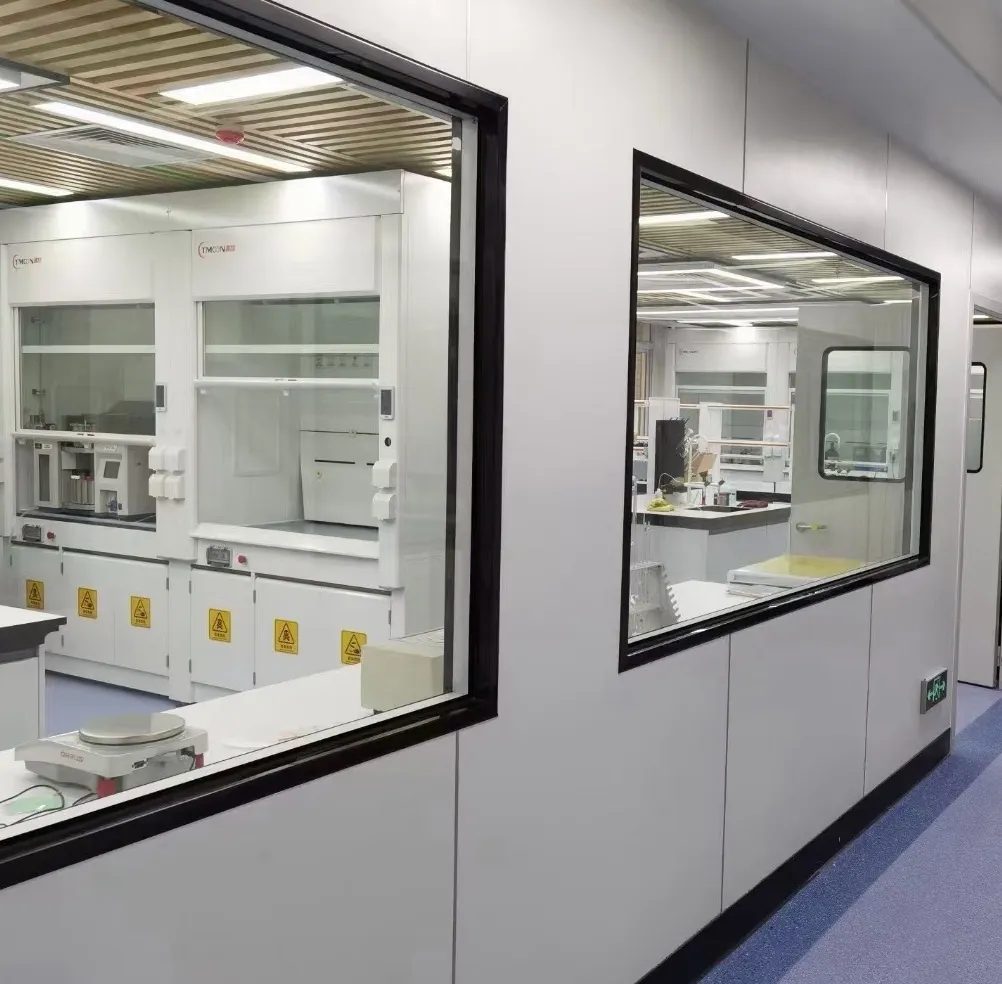
For buyers of feel-critical, repeatedly-cycled parts, proof beats promises. LusterControl runs a staged chain: DFM review, incoming material check, first-article CMM, in-process SPC / CPK, final FQC / OQC and lot traceability — the discipline behind ±0.005 mm and ISO 9001 certified, ISO 13485 completed, IATF 16949 applying. For a hinge, that chain is what keeps the lid gap uniform across a whole production lot, not just on the first sample.
- First-article CMM data on every new print, not just the first lot.
- SPC / CPK on special characteristics, not spot checks.
- Lot traceability back to material heat and machine.
- Material certs on every batch, with incoming verification.
Real Hinge Fittings and Consumer Electronics and Smart Home CNC Parts We Have Shipped
Same model, proven on demanding programs.
For your hinge fittings, the same model applies: turning, milling, 5-axis, mirror / electropolishing and inspection in-house, one quality record. Request a free DFM review and we will show the approach on your drawing, with achievable tolerance, material advice and lead time before you commit.
Consumer Electronics&Smart Home CNC precision component
Protecting Your Design: Hinge Fittings and NDA for Custom CNC Parts
Your drawing should travel slower than your purchase order.
For consumer electronics and smart home buyers — brand owners and R&D teams especially — a leaked drawing of a new hinge or enclosure travels faster than a purchase order. LusterControl runs customer-NDA programs and handles CAD files on controlled access, so your hinge fittings design stays yours and is never re-used or re-sold.
- NDA-backed programs for De'Longhi, Donlim and Breville-grade work.
- Controlled CAD access; no re-use or re-sale of your design.
- Discreet international packaging for prototype shipments.
Consumer Electronics&Smart Home CNC precision component
Consumer Electronics&Smart Home CNC precision component
Consumer Electronics&Smart Home CNC precision component
Consumer Electronics&Smart Home CNC precision component
FAQ: hinge fittings & Consumer Electronics&Smart Home Buyer Questions
A: Yes. Turning, milling, 5-axis, mirror / electropolishing and inspection are all in-house across our 4,000 m² Dongguan plant with 60 CNC machines, so lead time and the quality record stay in one place.
A: We hold ±0.005 mm on critical features and generate bore, face and mounting pattern from a single datum on turn-mill composite cells, which avoids the setup error that generic shops accumulate and that shows up as uneven lid gaps.
A: ISO 9001 certified, ISO 13485 completed and IATF 16949 applying. We provide material certs and lot traceability on every batch, plus first-article CMM data on new prints.
A: Yes. We accept low-MOQ prototypes and scale to 500,000 parts per month, so you can qualify the hinge feel and fit before committing to volume without re-qualifying a second supplier.
A: Yes. NDA-backed programs are routine for us, including De'Longhi, Donlim and Breville-grade work. CAD files are handled on controlled access and never re-used or re-sold.
A: Aluminium 6061 / 7075 for light consumer hinges, stainless 316 for corrosive or food/medical environments, brass for a premium low-friction pivot, and zinc/magnesium for high-volume thin-wall enclosures. Let the application choose, not the catalogue.
Want the same precision and feel on your next hinge order? Send LusterControl your drawing and our engineering team will return a free DFM review with achievable tolerance, material advice and lead time.
Request a Free CNC Quote