LusterControl Expands End-Effector Parts Capacity for Medical Clients (2026)
LusterControl has expanded its end-effector parts capacity for medical clients, adding machining depth and finished-inspection capacity at its Dongguan plant. The move is a direct response to rising demand from surgical-robotics and medical-automation OEMs for traceable, tight-tolerance stainless and titanium parts that seat, actuate and repeat within microns across hundreds of thousands of cycles without drift, burrs or contamination risk.
If you source end-effector parts for surgical arms, biopsy tools, lab automation grippers, dental or ophthalmic instruments, the practical upside is shorter lead times and a single accountable partner from raw bar to finished, inspected part — without the handoffs that quietly add cost, variation and risk to a regulated product where every micron is on the record.
This update walks through what changed inside our plant, why tight tolerance CNC matters for an end-effector that a surgeon or an automated cell trusts to the micron, and the checklist you should run before you award a medical end-effector order to any supplier.
Table of Contents
- 1. What Are End-Effector Parts and Why Tight Tolerance CNC Matters
- 2. How LusterControl Machines End-Effector Parts with CNC Precision Machining
- 3. End-Effector Parts vs Generic Medical CNC Parts: 5 Key Factors
- 4. How to Choose End-Effector Parts as Custom CNC Parts
- 5. Buyer's Checklist for Sourcing Medical CNC Parts Like End-Effector Parts
- 6. Quality Framework Behind Our CNC Precision Machining
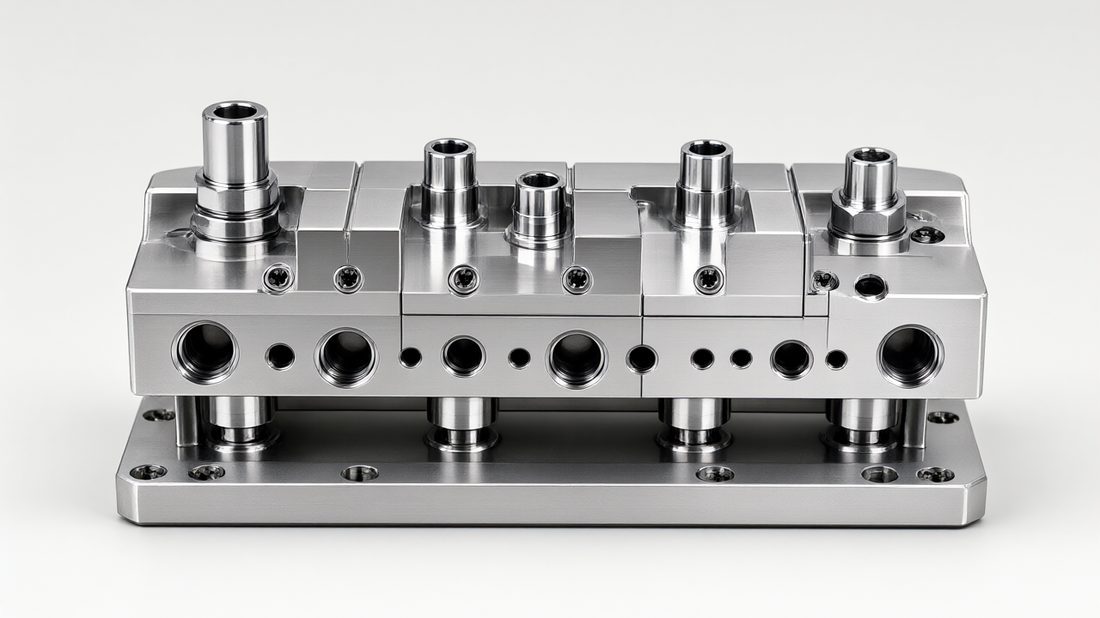
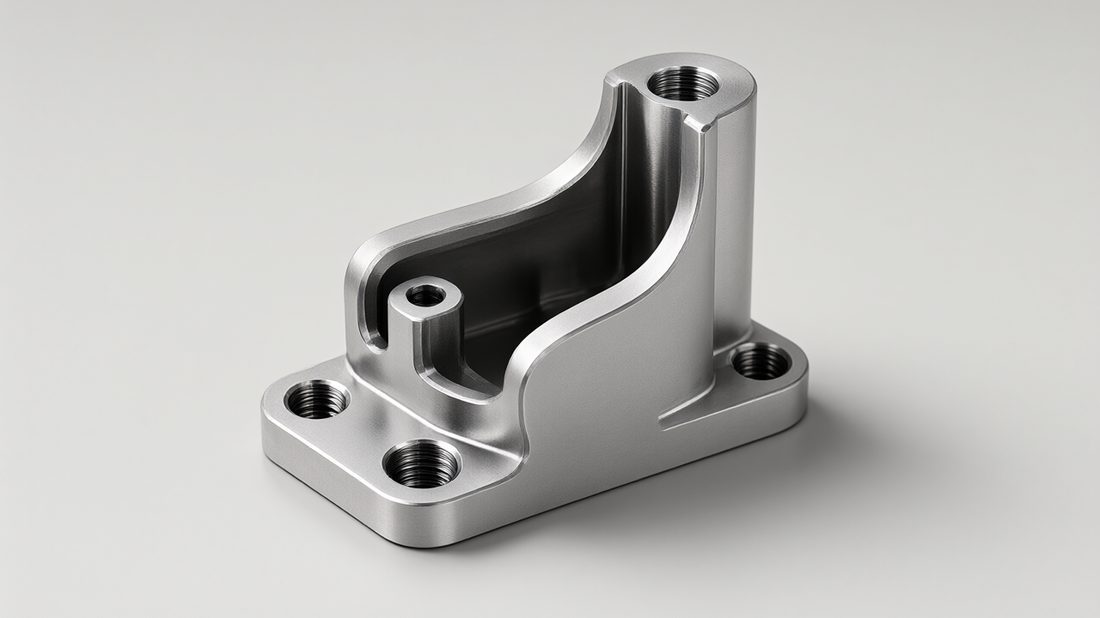
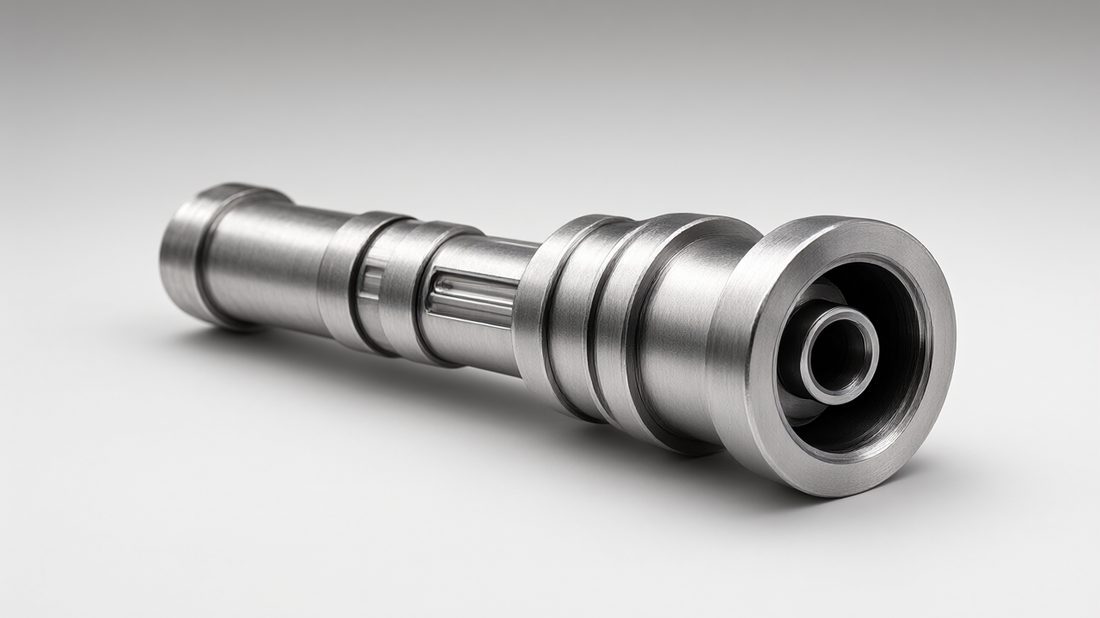
- 7. Real End-Effector Parts and Medical CNC Parts We Have Shipped
- 8. Protecting Your Design: End-Effector Parts and NDA for Custom CNC Parts
Medical AI part image
What Are End-Effector Parts and Why Tight Tolerance CNC Matters
An end-effector is the only part of the robot that touches the patient or the specimen. That is not where you economise.
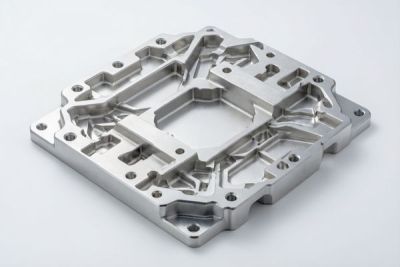
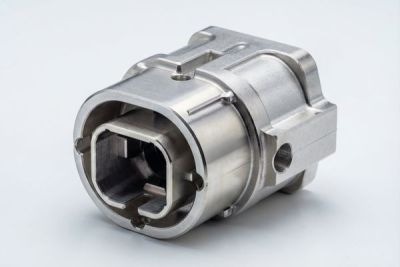
An end-effector part is the machined element at the business end of a robot or instrument — the gripper jaw, the forceps tip, the biopsy needle holder, the surgical grasper, the alignment boss or the actuation fork that physically meets tissue, bone, a cartridge or a lab vessel. In medical robotics it carries the entire load path of the task: the grip that must not slip, the tip that must not wander, the interface that must not leak. Its bore position, pin diameter, mating-face flatness and feature-to-feature position decide whether the instrument seats cleanly, repeats within tolerance, and survives the product's rated cycle count without loosening or binding.
- End-effector parts
- The machined tips, jaws, bosses and actuation elements at the working end of a surgical or lab robot — the only parts that physically touch the patient, specimen or cartridge, so their accuracy is the instrument's accuracy.
- Tight tolerance CNC
- Machining held to a stated band — at LusterControl, ±0.005 mm on critical features — so mating parts seat and actuate without shimming, binding or rework.
- Medical CNC parts
- Components built under medical-grade controls: material certs, lot traceability, burr-free edges and documentation that survives an audit, not just a visual pass.
- Mirror finishing
- A controlled surface step; LusterControl holds standard mirror Ra ≤ 0.6 µm and up to 8K mirror Ra 0.2 µm where sliding, wear, cleaning or biocompatibility matters.
For a buyer, the lesson is blunt: an end-effector is only as good as the tolerance on the features that touch another part or the patient. A grasper that is a few microns off in bore position shows up as inconsistent grip force, a tip that will not return to datum, or an instrument that binds on the fifth actuation. That is why we treat end-effector parts as a tight tolerance CNC job first and a component second — the same discipline that carries into every medical cnc parts program, where a mislocated feature can throw off an entire sterile interface. In a regulated product, the dimension is also a document, and the document has to match the part.
Medical AI part image
How LusterControl Machines End-Effector Parts with CNC Precision Machining
One roof, from bar stock to inspected end-effector.
Our Dongguan plant spans 4,000 m² and ships 500,000 parts per month across turn-mill composite, 5-axis, mirror / electropolishing, Swiss-type turning and lot traceability. The end-effector line leans on turn-mill composite and 5-axis cells that cut setups and stack-up error — the two things that erode end-effector accuracy when work shifts between machines and the two things that, on a surgical tip, decide whether the instrument seats the same way every time. For medical cnc parts, that single-roof model also keeps the quality record and the audit trail in one place, which is exactly what a regulatory file expects.
Turn-mill composite cells
Turning and milling in one clamping means the bore, face and actuation pattern are generated from a single datum. For an end-effector jaw or tip, that single-clamp approach is the difference between a part that seats and actuates smoothly and one that needs a technician with a file. It also shortens the first-article loop because there is less to measure and less to correct — which matters when you are qualifying a new surgical instrument on a fixed submission timeline.
5-axis and Swiss-type turning
Complex end-effector geometry with angled actuation faces is handled on 5-axis centres, while long, slim tips or needles that would whip on a conventional lathe are stabilised on Swiss-type machines. The combination lets us hold form, position and surface on parts that look easy on a drawing but are unpleasant to actually cut — thin jaws that flex, deep bores for the pin or cannula, and faces that must sit flush against a sterile interface. Surface matters here too: electropolishing to 8K mirror Ra 0.2 µm removes the micro-crevices where residue hides and where a burr would otherwise shed particles into a sterile field.
- DFM review — we flag thin jaws, unreachable features, pin-fit stacks and tolerance conflicts before any metal moves.
- Material verification — mill cert and incoming inspection confirm the medical-grade alloy you specified for the end-effector.
- Precision machining — turn-mill and 5-axis generate critical features from one datum.
- Finishing — mirror or electropolishing where surface, wear, cleaning or biocompatibility is specified.
- First-article CMM and lot traceability — measured proof, not a promise, on every batch.
End-Effector Parts vs Generic Medical CNC Parts: 5 Key Factors
Not all suppliers are playing the same regulatory game.
| Factor | LusterControl | Generic job shop |
|---|---|---|
| Datum strategy | One-clamp turn-mill, single datum | Multiple setups, stacked error |
| Tolerance held | ±0.005 mm on critical features | ±0.02–0.05 mm typical |
| Surface control | Mirror / electropolish to Ra 0.2 µm in house | Outsourced plating / polish |
| Inspection proof | First-article CMM + lot traceability | Spot checks, paper certs |
| Volume to prototype | Low-MOQ prototype to 500k / month | Volume-only or prototype-only |
Five factors decide whether an end-effector seats and repeats within microns and survives the instrument's rated cycle count. First, datum strategy — single-clamp machining removes the setup error generic shops bake in and that shows up as an instrument that will not return to datum. Second, the tolerance band itself; a 0.02 mm end-effector is not the same part as a 0.005 mm end-effector, and the difference is audible in the actuator. Third, in-house surface control means the lead time and the cleanliness record stay in one place, which for medical cnc parts is an audit item, not a nicety. Fourth, inspection proof — you want CMM data on the bore and faces, not a checkbox. Fifth, the ability to start small and scale, so your program is not hostage to a minimum order while you validate the instrument.
Pros
- Choose LusterControl if your end-effector is accuracy-critical, patient- or specimen-facing, repeatedly actuated, or must scale from prototype to volume without re-qualification.
- Choose a generic shop if the part is non-critical, lightly loaded, and price is the only variable that matters in a non-regulated product.
Cons
- A single-source, in-house model can feel like over-engineering for a trivial non-critical bracket — and it is, when the part truly does not touch the patient or the result.
- Generic shops look cheaper until the first field complaint forces a rework of the whole instrument or a documentation gap stalls the audit.
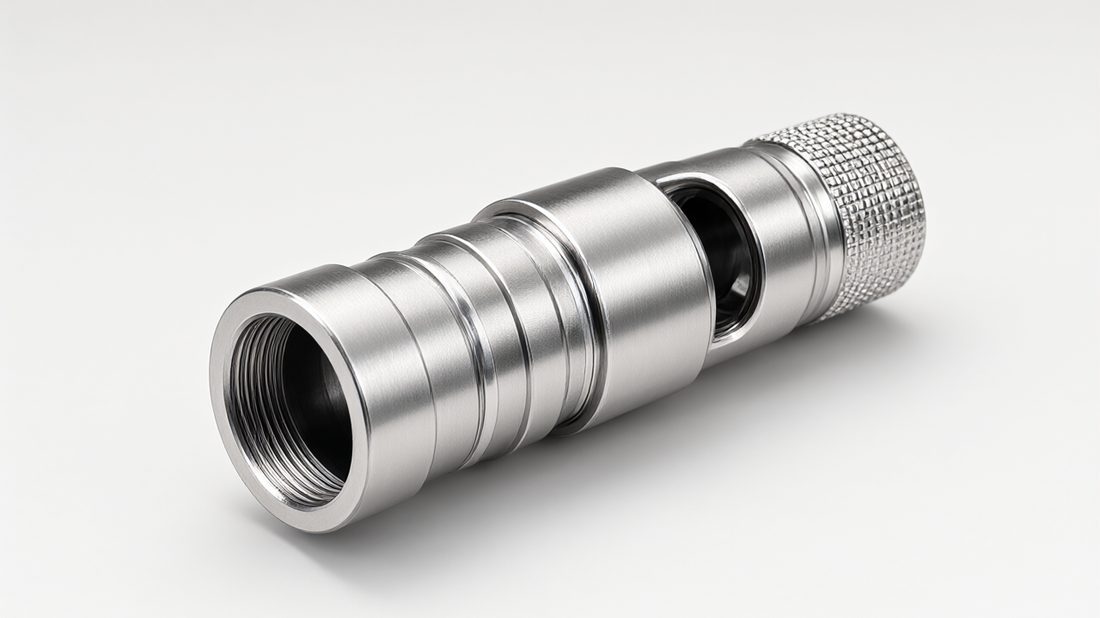
Medical AI part image
How to Choose End-Effector Parts as Custom CNC Parts
Material choice is where most end-effector programs win or lose.
| Material | What it gives you | Where it fits |
|---|---|---|
| Stainless 316L / 304 | Corrosion resistance, cleanability, medical-grade | Surgical tips, grasper jaws, reusable instruments |
| Titanium Ti-6Al-4V | High strength-to-weight, imaging-friendly | Lightweight arms, MRI-adjacent parts |
| Aluminium 6061 / 7075 | Light, easy to machine, anodises well | Lab-automation frames, non-implant housings |
| PEEK / specialty polymer | Chemical resistance, low particle shed | Sterile-interface insulators, one-time-use tips |
For most patient- or specimen-facing end-effector parts, 316L stainless earns its cost through cleanability and corrosion resistance, and it takes an electropolished 8K finish that leaves nowhere for residue to hide. Titanium is the call when weight or imaging compatibility drives the arm design. Aluminium keeps weight off a lab-automation cell while still holding tolerance. PEEK and specialty polymers earn a place at sterile interfaces where particle shedding is the enemy. The point is to let the application choose, not the catalogue — and to confirm the material before you fix the tolerance and finish, because for medical cnc parts the three move together and the documentation has to follow each one.
- Confirm the actuation cycle count and repeatability the end-effector must hold.
- Match material to the sterile, corrosive or imaging environment, not to habit.
- Decide finishing early: electropolish for stainless, anodise for aluminium, inert for polymer.
- Specify the pin or cannula fit: clearance for free motion, or light press for detent feel.
- Require burr-free edges and a documented cleaning-validatable surface.
Buyer's Checklist for Sourcing Medical CNC Parts Like End-Effector Parts
Seven things to demand before you release the PO.
- Material cert (mill cert) on every batch — not a one-time sample.
- First-article CMM report tied to your drawing revision, on bore and actuation faces.
- Lot traceability back to material heat and machine.
- Stated tolerance band on critical features, in writing.
- Low-MOQ prototype option so you can qualify the feel before volume.
- NDA-backed handling of your drawing and CAD data.
- A single accountable supplier, not a broker chaining three shops.
- Red flag: the shop cannot show a first-article report from a current medical job.
- Red flag: finishing is 'sent out' with no in-house control of the surface or cleanliness.
- Red flag: minimum order too high to prototype, or too low to scale.
- Red flag: no traceability story when you ask who cut and polished this batch.
You can read more about how we structure supplier-grade evidence on our about page and in the deeper guides on our blog. The short version: for custom CNC parts like end-effector parts, proof beats promises every time — and for a part trusted to the micron in a sterile field, that proof is the difference between a cleared instrument and a delayed submission.
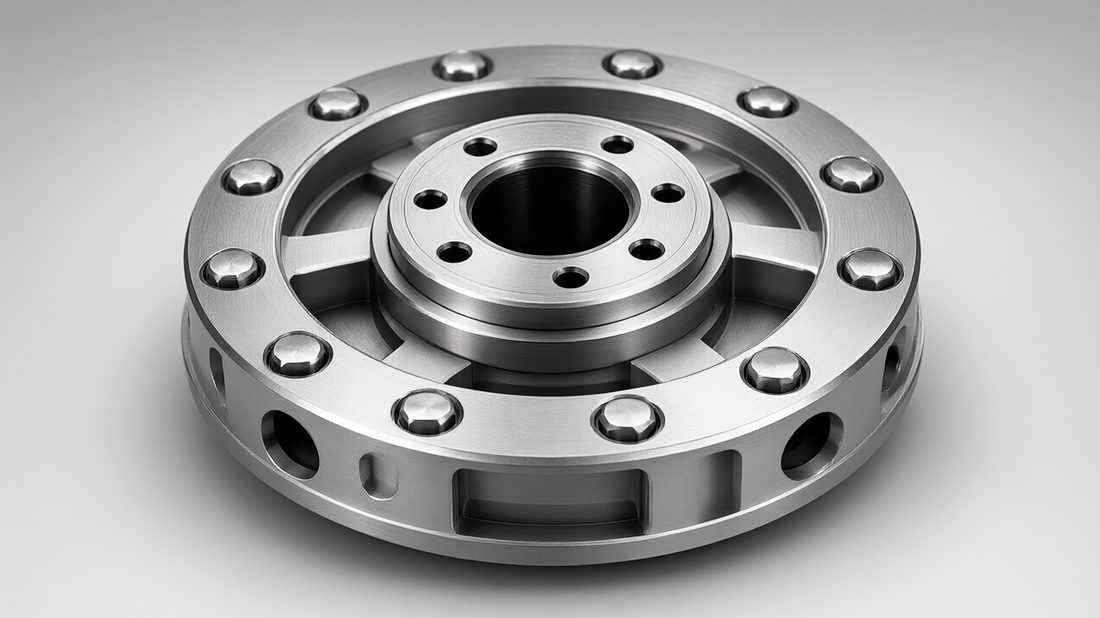
Medical AI part image
Quality Framework Behind Our CNC Precision Machining
The discipline behind the numbers.
For buyers of accuracy-critical, repeatedly-actuated parts, proof beats promises. LusterControl runs a staged chain: DFM review, incoming material check, first-article CMM, in-process SPC / CPK, final FQC / OQC and lot traceability — the discipline behind ±0.005 mm and ISO 9001 certified, ISO 13485 completed, IATF 16949 applying. For an end-effector, that chain is what keeps the instrument seating the same way across a whole production lot, not just on the first sample, and what keeps the audit file consistent with the part in the tray.
- First-article CMM data on every new print, not just the first lot.
- SPC / CPK on special characteristics, not spot checks.
- Lot traceability back to material heat and machine.
- Material certs on every batch, with incoming verification.
Real End-Effector Parts and Medical CNC Parts We Have Shipped
Same model, proven on demanding programs.
For your end-effector parts, the same model applies: turning, milling, 5-axis, mirror / electropolishing and inspection in-house, one quality record. Request a free DFM review and we will show the approach on your drawing, with achievable tolerance, material advice and lead time before you commit.
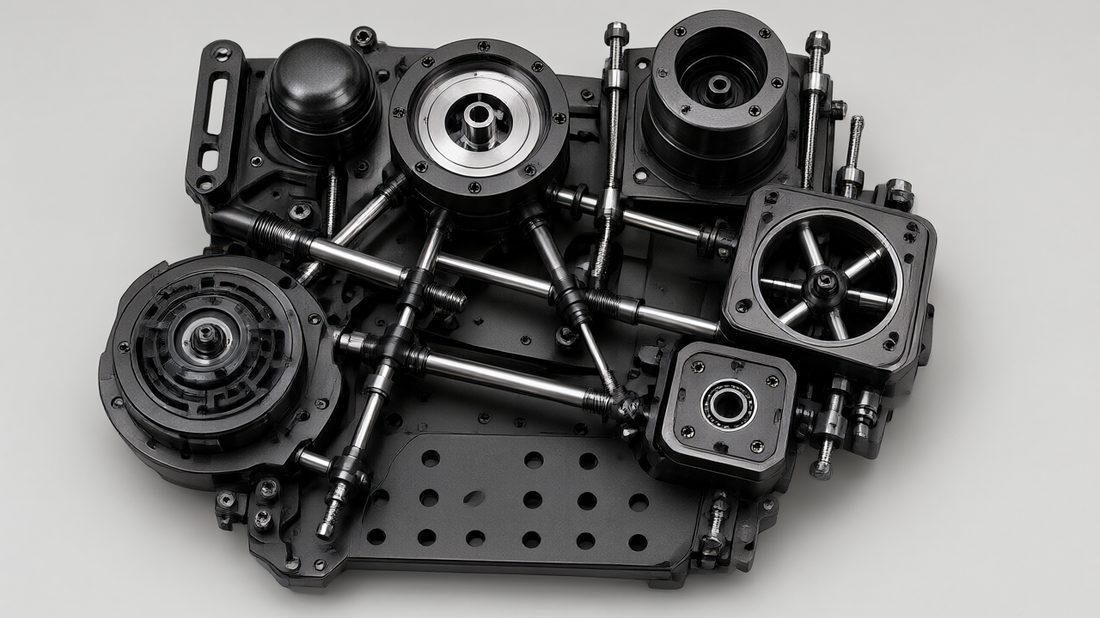
Medical AI part image
Protecting Your Design: End-Effector Parts and NDA for Custom CNC Parts
Your drawing should travel slower than your purchase order.
For medical buyers — brand owners and R&D teams especially — a leaked drawing of a new end-effector or instrument travels faster than a purchase order. LusterControl runs customer-NDA programs and handles CAD files on controlled access, so your end-effector parts design stays yours and is never re-used or re-sold. For an instrument that may carry a patent and a regulatory submission, that control is part of the program, not an afterthought.
- NDA-backed programs for De'Longhi, Donlim and Breville-grade work.
- Controlled CAD access; no re-use or re-sale of your design.
- Discreet international packaging for prototype shipments.
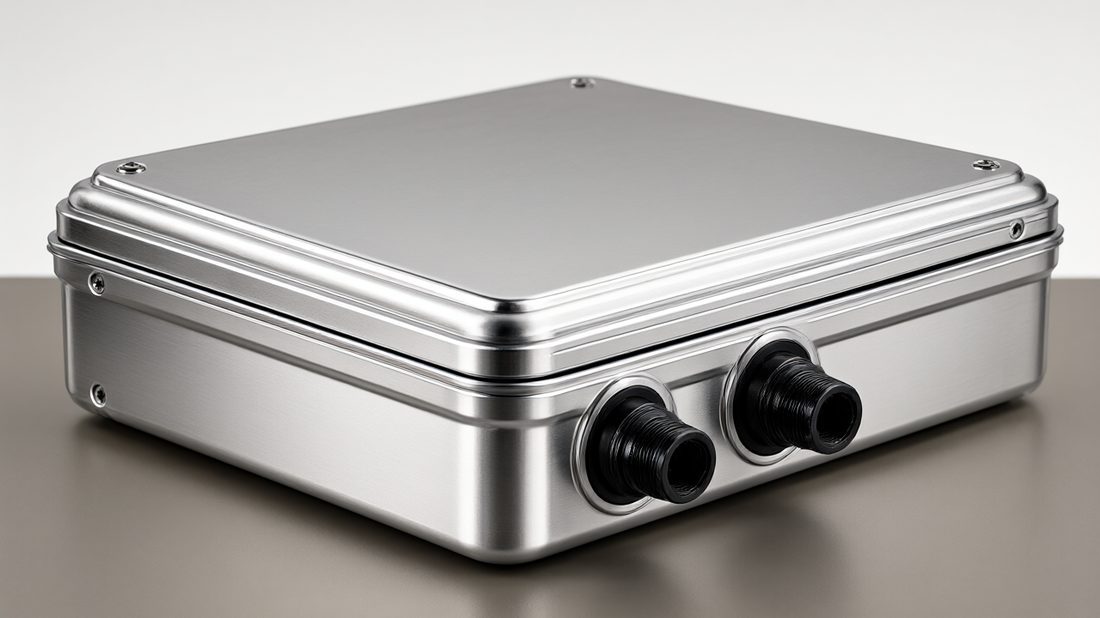
Medical AI part image
Medical AI part image
Medical AI part image
Medical AI part image
FAQ: end-effector parts & Medical Buyer Questions
A: Yes. Turning, milling, 5-axis, mirror / electropolishing and inspection are all in-house across our 4,000 m² Dongguan plant with 60 CNC machines, so lead time and the quality record stay in one place — which is what a medical audit file expects.
A: We hold ±0.005 mm on critical features and generate bore, face and actuation pattern from a single datum on turn-mill composite cells, avoiding the setup error that generic shops accumulate and that shows up as an instrument that will not return to datum.
A: ISO 9001 certified, ISO 13485 completed and IATF 16949 applying. We provide material certs and lot traceability on every batch, plus first-article CMM data on new prints.
A: Yes. We accept low-MOQ prototypes and scale to 500,000 parts per month, so you can qualify the instrument feel and fit before committing to volume without re-qualifying a second supplier.
A: Yes. NDA-backed programs are routine for us, including De'Longhi, Donlim and Breville-grade work. CAD files are handled on controlled access and never re-used or re-sold.
A: 316L stainless for cleanable, corrosion-resistant patient-facing parts, titanium Ti-6Al-4V for lightweight or imaging-adjacent arms, aluminium 6061 / 7075 for lab-automation frames, and PEEK for sterile-interface insulators. Let the application choose, not the catalogue.
Want the same precision and repeatability on your next surgical-robot end-effector? Send LusterControl your drawing and our engineering team will return a free DFM review with achievable tolerance, material advice and lead time.
Request a Free CNC Quote